-260719-4-edited.png)
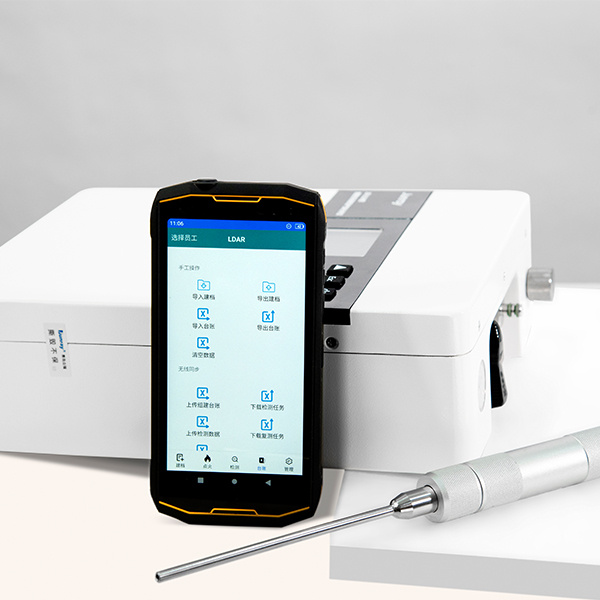
What is a gas analyzer?
A gas sensor is an instrument used to detect the concentration of various gases in the air. It is also commonly referred to as a gas detector, gas analyzer, or gas concentration detector, serving as a critical component in industrial control, automation systems, and modern environmental monitoring. Gas sensors can be categorized into multiple types based on different classification criteria.
Classification by Detected Gas Type
Flammable gas sensors: Used to detect the concentration of gases such as alcohol, gasoline, and natural gas.
Toxic Gas Sensors: Detect toxic gases in the air, such as formaldehyde and ozone.
Other Specific Gas Sensors: Examples include urea cyanide sensors for detecting ozone and carbon dioxide sensors for measuring CO₂ concentrations.
Gas sensors come in diverse types, each with unique operating principles and application scenarios. When selecting a gas sensor, comprehensive consideration must be given to specific detection requirements, operating environments, and budget constraints.
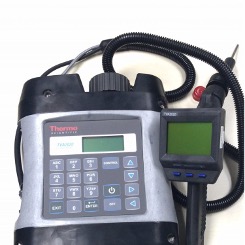
Common Components of Portable Toxic Gas Analyzers
(1) Housing
Since portable instruments accompany users into diverse hazardous environments, the housing is critically important. Beyond meeting fundamental requirements like explosion-proof, fire-resistant, and waterproof safety standards, it must also withstand physical impacts such as drops and collisions. Historically, stainless steel was considered the optimal choice for portable instrument housings. However, with advancements in manufacturing technology, engineering plastics and similar materials are now widely adopted as housing materials for portable instruments.
(2) Power Supply
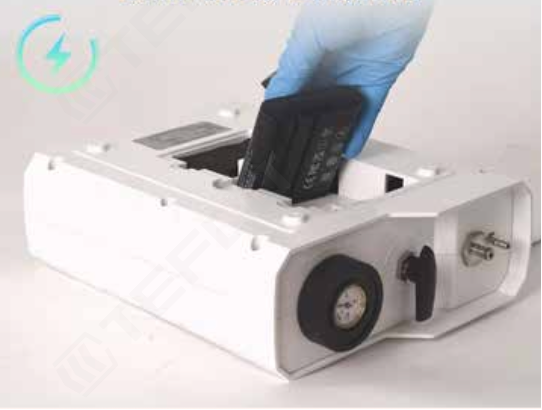
Various lithium batteries, particularly rechargeable lithium-ion batteries, have become the preferred power source for portable instruments. They offer extended runtime, long service life, and the ability to be recharged multiple times.
For instance, common single-gas detectors like carbon monoxide detectors, hydrogen sulfide detectors, methane detectors, and oxygen detectors are better suited for personnel working at fixed positions. The types, concentration ranges, and hazard levels of toxic and harmful gases at these workstations are already under strict monitoring.
These single-gas detectors can be equipped with various gas sensors, including catalytic combustion-type combustible gas sensors and electrochemical-type oxygen sensors and toxic gas sensors. They can detect gases such as combustible gases, oxygen, carbon monoxide, hydrogen sulfide, chlorine, and ammonia.
It should be noted that catalytic combustion sensors consume relatively high power. Therefore, instruments equipped with such sensors typically require rechargeable lithium-ion batteries, such as TEFOO’s standard battery pack GS2057DH (internal link), which ensures approximately 10 hours of continuous operation. After charging (approximately 5 hours), the battery can be reused. Using standard batteries in this scenario may prove less economical.
(3) Sensor Pool
This is the location for installing sensors. Although sensor manufacturers provide sensors with identical outputs and pin configurations, different instrument manufacturers may add distinct sensor circuit boards at the sensor pins to achieve specific functions. This not only prevents sensor interchangeability between manufacturers but also means sensors from different models within the same manufacturer may not be compatible. In other words, different sensors can only be installed in the fixed sensor pool of their specific instrument. This is an important consideration for users when selecting different instrument manufacturers or models.
(4) Electronic Circuitry
Electronic circuitry is invisible to us and not something we need to directly inspect. However, the quality of its design directly impacts the instrument’s performance and functionality.
(5) Display Screen
The display screen serves as the direct window for monitoring toxic and hazardous gas concentrations. With advances in electronic technology, liquid crystal displays (LCDs) have become increasingly prevalent, presenting more information and enabling users to access a broader range of data. However, LCDs have inherent vulnerabilities—they are susceptible to impact, puncture, extreme temperature fluctuations, and low temperatures—all factors requiring careful attention during use.
(6) Computer Interface
Data captured by detection instruments has become integral to the information society. Leakage levels of toxic gases in production processes, concentration levels in workshop environments—all such data necessitates sharing, storage, and analysis within a reasonable scope. Consequently, the computer interface of portable detection instruments grows increasingly vital.
(7) Essential Accessories and Components
These include battery chargers, protective cases, carrying clips, filters, bilingual operation manuals, and quick-start guides. At times, user-friendly accessories reflect the manufacturer’s expertise and production standards.
Precautions for Using Toxic Gas Analyzers
1. Avoid Impact: Minimize collisions with the instrument during use to prevent damage to internal components or compromised detection accuracy.
2. Ensure Stability: As a high-precision device, the gas detector should be kept away from environments with strong electromagnetic interference to maintain stability.
3. Proper Operation: During testing, strictly follow the operating procedures outlined in the manual. Avoid carelessly discarding or vigorously shaking the instrument, as this may lead to inaccurate detection data or damage the device.
4. Avoid High-Concentration Gas Impact: Never expose the sensor to gas concentrations exceeding its measurement range, as this may damage the sensor or cause inaccurate measurement data.
5. Regular Calibration Checks: Periodically calibrate and inspect the gas detector to ensure accuracy and reliability. Replace expired or faulty sensors promptly.
Post-Use Maintenance for Toxic Gas Analyzers
1. Cleaning the Instrument: After use, wipe dust from the instrument’s surface and thoroughly clean the device to maintain cleanliness and extend its service life.
2. Storage Environment: When not in use for extended periods, turn off the gas detector and store it in a dry, dust-free environment within the specified storage temperature range to prevent moisture damage or deterioration.
3. Charging Safety: Charging must be performed in a safe location using the charger supplied with the device. Disassembling, charging, or replacing batteries in hazardous locations is strictly prohibited.
Additional Precautions
1. Professional Operation: Installation, calibration, and configuration of the gas detector must be performed by qualified personnel. Unauthorized individuals are prohibited from operating the device.
2. Explosion-Proof Performance: Do not arbitrarily replace components or modify structures that affect explosion-proof integrity, as this may compromise the instrument’s safety rating.
3. Abnormal Condition Handling: If any of the following abnormalities occur—such as continuous flashing of indicator lights, sudden loss of display values, or unresponsive readings in areas with significantly elevated gas levels—immediately cease operations, evacuate to a well-ventilated area, and investigate the issue.
In summary, proper use and maintenance of gas detectors are critical for ensuring personnel safety and enhancing detection accuracy. Strict adherence to the above precautions during operation is essential to guarantee the instrument’s normal functioning and the reliability of detection results.