-260719-4-edited.png)
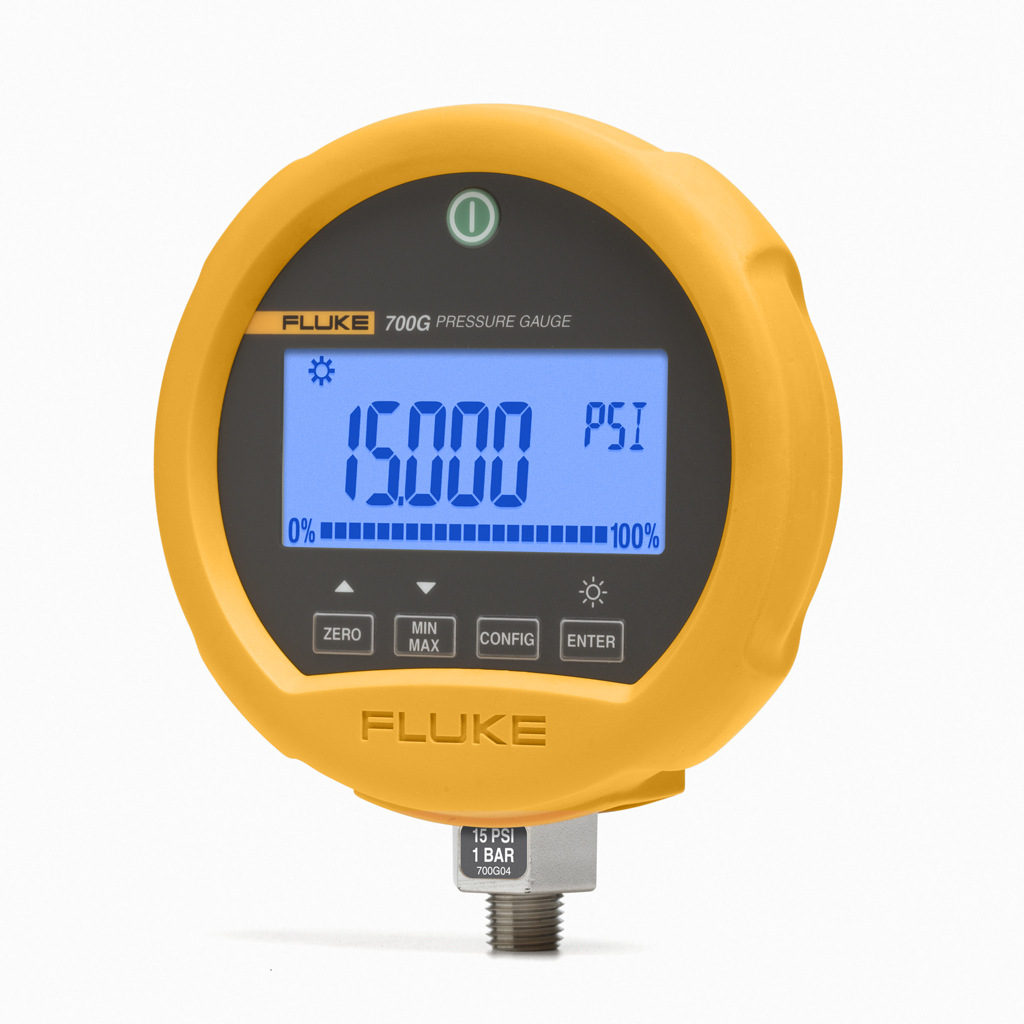
What is pressure calibration?
Pressure calibration is a critical process across numerous industries, essential for ensuring the precise measurement and reliable operation of pressure instruments.
Essentially, pressure calibration involves comparing the output of pressure equipment against recognized standards to assess its accuracy. The fundamental principle involves applying a known pressure to the device and recording its output. By comparing these measurements against reference standards, any discrepancies can be detected, and necessary adjustments made to calibrate the equipment as required.
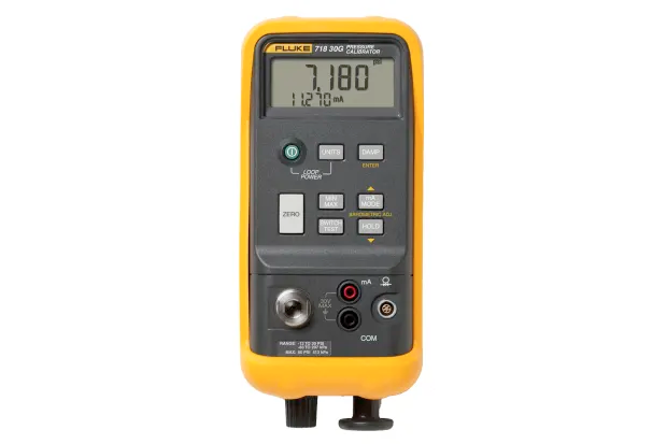
What is the function of a pressure calibrator?
A pressure calibrator is an indispensable tool in this process, specifically designed to generate and measure precise pressure levels. This enables technicians to calibrate pressure instruments such as gauges, transmitters, and sensors. The calibrator provides a controlled environment where pressure is applied, measured, and adjusted as needed.
How does a pressure calibrator work?
Typically, it consists of a pressure source, a pressure sensor, and a display unit. The pressure source generates the required pressure, the pressure sensor measures the output, and the display unit shows the measurement. This setup allows technicians to compare the output against a reference standard and make adjustments when necessary.
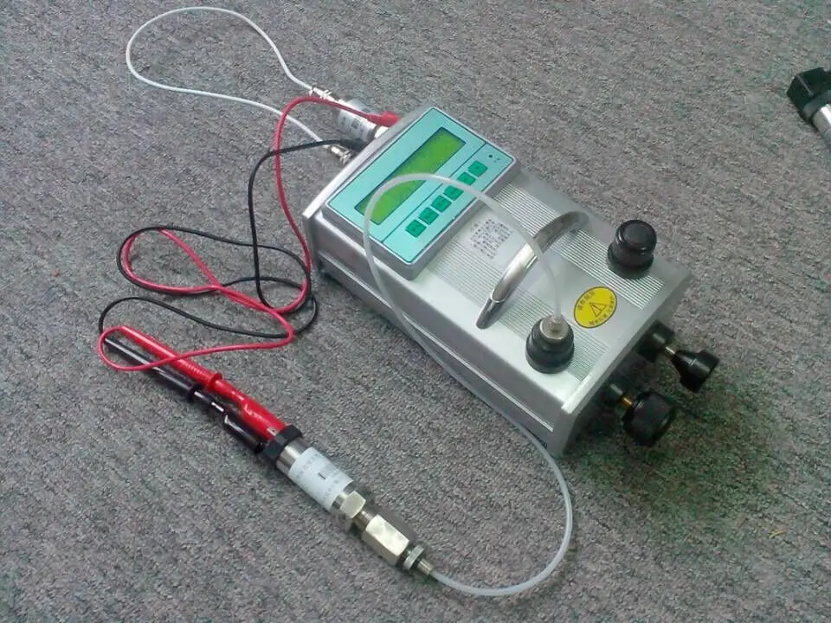
Pressure calibration is an indispensable part of many industries, including manufacturing, aerospace, automotive, and oil and gas. Accurate pressure measurement is critical for quality control, safety, and compliance with industry standards. By ensuring the reliability and accuracy of pressure instruments through calibration, businesses can optimize their operations and maintain high precision standards.
How to choose batteries for pressure calibrators?
Some high-end pressure calibrators feature built-in high-capacity lithium batteries, typically delivering over 12 hours of continuous operation.
For standard portable pressure calibrators, battery life generally lasts around 8-10 hours under normal use with non-essential features disabled (e.g., constant backlight). These calibrators meet basic daily operational needs, but may require mid-shift charging during intensive or extended use.
Simpler calibrators with smaller batteries may offer 4-6 hours of runtime. Such compact, lightweight models suit scenarios with limited usage duration and lower endurance requirements.
Additionally, if a pressure calibrator has been in use for an extended period, its battery life will gradually decrease as the battery ages. When using a pressure calibrator, it is recommended to select a calibrator and battery with appropriate battery life based on actual operational requirements. Proper battery usage and maintenance are also essential to extend battery lifespan and ensure the instrument functions correctly.
For bulk purchasing or customizing pressure calibrator batteries, please contact TEFOO’s technical specialists.