-260719-4-edited.png)
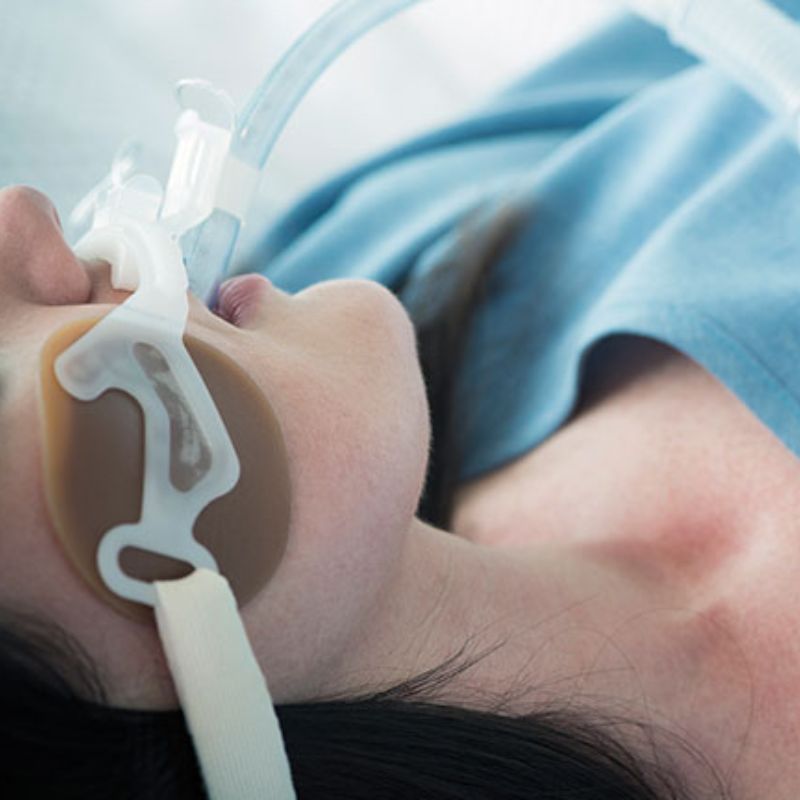
An invasive ventilator is a life-saving machine that breathes for patients who cannot breathe on their own. It pushes air directly into the lungs through a tube in the windpipe. This device is used in ICUs for the sickest patients. It can control breathing rate, oxygen levels, and pressure. Invasive ventilators are critical during surgeries and for patients with severe respiratory failure.
Overview of Main Components
An invasive ventilator consists of several critical parts working together. The ventilation unit generates precise airflow and pressure. The control system manages all breathing parameters. The user interface allows medical staff to adjust settings. The monitoring system tracks patient responses. The alarm system alerts staff to problems. The gas mixing unit blends oxygen with air. The power supply system ensures uninterrupted operation. The housing protects all internal components.
Detailed Component Analysis
Ventilation Unit: Creates precise air pressure and flow patterns. It can deliver exact volumes of air with each breath. This is the heart of the system.
Endotracheal Connection: Links the machine to the tube in the patient’s windpipe. It must create an airtight seal. The connection includes ports for medication delivery.
Oxygen Blender: Mixes pure oxygen with room air. It can deliver from 21% to 100% oxygen. Patients need different levels based on their condition.
Pressure Monitoring System: Watches airway pressures in real-time. It prevents lung damage from too much pressure. This system triggers alarms if pressures are unsafe.
Exhalation Valve: Controls how the patient breathes out. It helps maintain proper lung pressure. The valve must respond within milliseconds.
Advanced Control Panel: Shows vital information and allows setting adjustments. It displays waveforms of each breath. Medical staff use this to fine-tune treatment.
Multiple Ventilation Modes: Offers different breathing patterns. Some help patients breathe on their own, others do all the work. The right mode is crucial for patient comfort and recovery.
Backup Systems: Provide redundancy for all critical functions. If one system fails, another takes over. This includes power, air supply, and control systems.
Battery Type Section
High-Capacity Medical Lithium Batteries: Power the ventilator during transport. They provide 2-4 hours of full operation. These batteries charge quickly when plugged in.
Dual Battery Systems: Use two battery packs for safety. If one fails, the other takes over instantly. This design prevents interruption in breathing support.
UPS-Integrated Batteries: Combine battery backup with power conditioning. They protect from power surges and outages. Hospitals rely on these for critical care areas.
Hot-Swappable Power Modules: Allow battery replacement without stopping the ventilator. This means continuous operation during long transports. The design prioritizes patient safety above all.
Portable power experts, contact Tefoo Energy today for standard battery packs or custom battery packs.
Since 2012, Tefoo Energy has been committed to becoming a leader in rechargeable battery pack technology and providing services to the global OEM market. Our experienced team utilizes proven technology and innovative engineering to design, assemble, and test batteries, including rechargeable battery packs, removable batteries, hard-case batteries, smart batteries, SMBus batteries, and more. We support high and low-volume manufacturing and serve a diverse customer base including some of the world’s most renowned companies. Contact us today, as we can meet your most challenging battery needs.