-260719-4-edited.png)
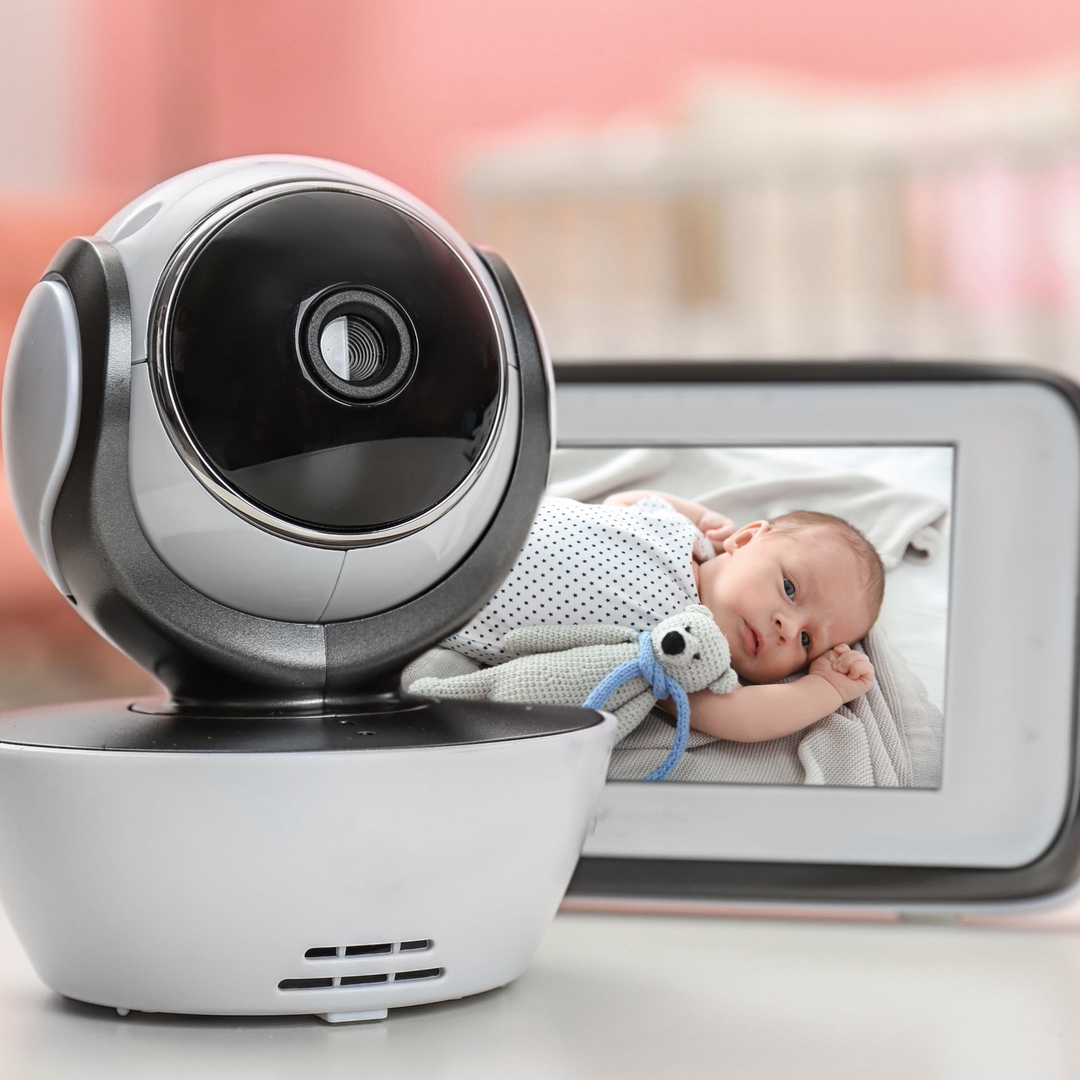
A baby monitor helps parents watch over their baby from another room. It sends sounds or video from the baby’s room to a parent unit. This lets parents hear crying or see if the baby is awake. Some monitors track breathing and sleep patterns too. Baby monitors give parents peace of mind while they do other tasks. They work in homes, daycares, and anywhere babies need watching.
Overview of Main Components
A baby monitor system includes several key parts working together. The baby unit captures sounds and images. The parent unit receives and displays this information. The microphone picks up baby noises. The camera shows video of the baby. The transmitter sends signals between units. The speaker plays sounds for parents to hear. The display screen shows video and status information. The power management system keeps both units running reliably.
Detailed Component Analysis
Microphone Array: Captures baby sounds with high sensitivity. It can detect soft breathing or loud cries. Some use noise filtering to focus on baby sounds only.
Camera System: Shows clear video of the baby day and night. It uses infrared LEDs for night vision. Many cameras can pan, tilt, and zoom remotely.
Temperature Sensor: Measures the room temperature near the baby. It helps parents keep the room comfortable. The monitor alerts if it gets too hot or cold.
Range Extender: Boosts the signal between units throughout the home. It helps the monitor work through walls and floors. Good monitors work up to 1,000 feet away.
Two-Way Communication: Lets parents talk to the baby through the monitor. This helps soothe a fussy baby without entering the room. The speaker uses gentle volume for baby’s ears.
Motion Detection: Alerts parents when the baby moves significantly. It can send notifications to the parent unit. Some use this to track sleep patterns.
Lullaby Player: Plays gentle music or white noise to help babies sleep. Parents can control it from the parent unit. Most include several sound options.
Signal Security: Encrypts the connection between units. This prevents others from accessing the monitor signal. Security is important for family privacy.
Breathing Monitor: Tracks subtle chest movements to monitor breathing. It alerts parents if breathing patterns change. This feature gives extra peace of mind.
Battery Type Section
Rechargeable Lithium Polymer Batteries: Power the parent unit for 8-12 hours. They provide long monitoring time between charges. These slim batteries keep the parent unit lightweight.
USB-C Charging: Allows fast charging from various power sources. Parents can use phone chargers or power banks. This makes charging convenient anywhere.
Power-Saving Modes: Extend battery life when needed. Voice activation turns on only when baby makes sounds. The screen can dim or turn off to save power.
Backup Battery Options: Keep the baby unit working during power outages. Some use standard AA or AAA batteries as backup. This ensures monitoring even during emergencies.
Battery Level Indicators: Show clear warnings when power gets low. They give parents time to charge before shutdown. Some show exact percentage of power remaining.
Charging Dock: Holds the parent unit when not in use. It keeps the battery topped up and ready. The dock often includes helpful features like a nightlight.
Portable power experts, contact Tefoo Energy today for standard battery packs or custom battery packs.
Since 2012, Tefoo Energy has been committed to becoming a leader in rechargeable battery pack technology and providing services to the global OEM market. Our experienced team utilizes proven technology and innovative engineering to design, assemble, and test batteries, including rechargeable battery packs, removable batteries, hard-case batteries, smart batteries, SMBus batteries, and more. We support high and low-volume manufacturing and serve a diverse customer base including some of the world’s most renowned companies. Contact us today, as we can meet your most challenging battery needs.