-260719-4-edited.png)
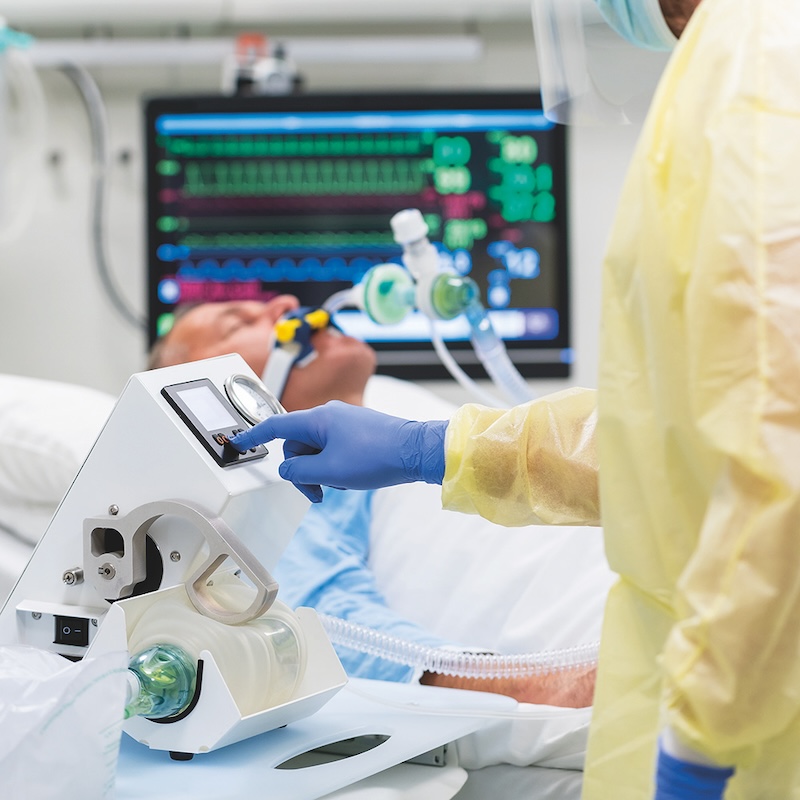
A high flow ventilator delivers oxygen at higher rates than standard oxygen therapy. It sends warm, moist air to patients who need breathing help. This device supports patients with respiratory issues like pneumonia and COPD. It reduces the work of breathing without using masks or tubes. High flow systems are used in hospitals, emergency rooms, and sometimes at home.
Overview of Main Components
A high flow ventilator includes multiple essential systems working together. The flow generator creates the precise airstream. The heating system warms the air to body temperature. The humidification system adds moisture. The oxygen mixing system controls oxygen levels. The monitoring system tracks therapy parameters. The control interface allows setting adjustments. The power management system ensures reliable operation. The housing contains and protects all components.
Detailed Component Analysis
Flow Generator: Creates powerful, steady airflow up to 60 liters per minute. It uses a specialized blower with precise control. The flow must be smooth and consistent.
Heating Element: Warms the air to match body temperature. It prevents airway cooling and irritation. Temperature sensors provide feedback for exact control.
Humidification Chamber: Adds water vapor to the airflow. It prevents drying of airways and thick secretions. The chamber needs regular refilling with sterile water.
Oxygen Blending System: Mixes pure oxygen with room air. It can deliver 21% to 100% oxygen concentration. Precise sensors monitor the mixture constantly.
Control Interface: Allows adjustment of flow rate, temperature, and oxygen levels. It displays current settings and alarms. Modern units feature touchscreen controls.
Breathing Circuit: Carries the air from machine to patient. It includes special tubing that prevents condensation. Some systems use heated wires in the tubing.
Monitoring System: Tracks therapy parameters and alerts staff to changes. It monitors flow rates, temperatures, and oxygen levels. Some units connect to hospital systems.
Safety Alarms: Alert medical staff to problems like disconnections or blockages. They use visual and audio signals. Critical alarms cannot be silenced permanently.
Battery Type Section
Medical-Grade Lithium-Ion Batteries: Power most portable units for 2-4 hours. They balance weight with reasonable runtime. These batteries feature rapid charging capabilities.
Backup Power Packs: Extend operation during transport or power outages. They connect to the main unit as needed. Many units automatically switch to battery when unplugged.
Smart Battery Management: Monitors power levels and usage patterns. It optimizes battery performance and lifespan. The system provides accurate time remaining estimates.
External Battery Options: Allow for extended use away from wall outlets. They come in various capacity options. Larger batteries can power units for 8+ hours.
Portable power experts, contact Tefoo Energy today for standard battery packs or custom battery packs.
Since 2012, Tefoo Energy has been committed to becoming a leader in rechargeable battery pack technology and providing services to the global OEM market. Our experienced team utilizes proven technology and innovative engineering to design, assemble, and test batteries, including rechargeable battery packs, removable batteries, hard-case batteries, smart batteries, SMBus batteries, and more. We support high and low-volume manufacturing and serve a diverse customer base including some of the world’s most renowned companies. Contact us today, as we can meet your most challenging battery needs.