-260719-4-edited.png)
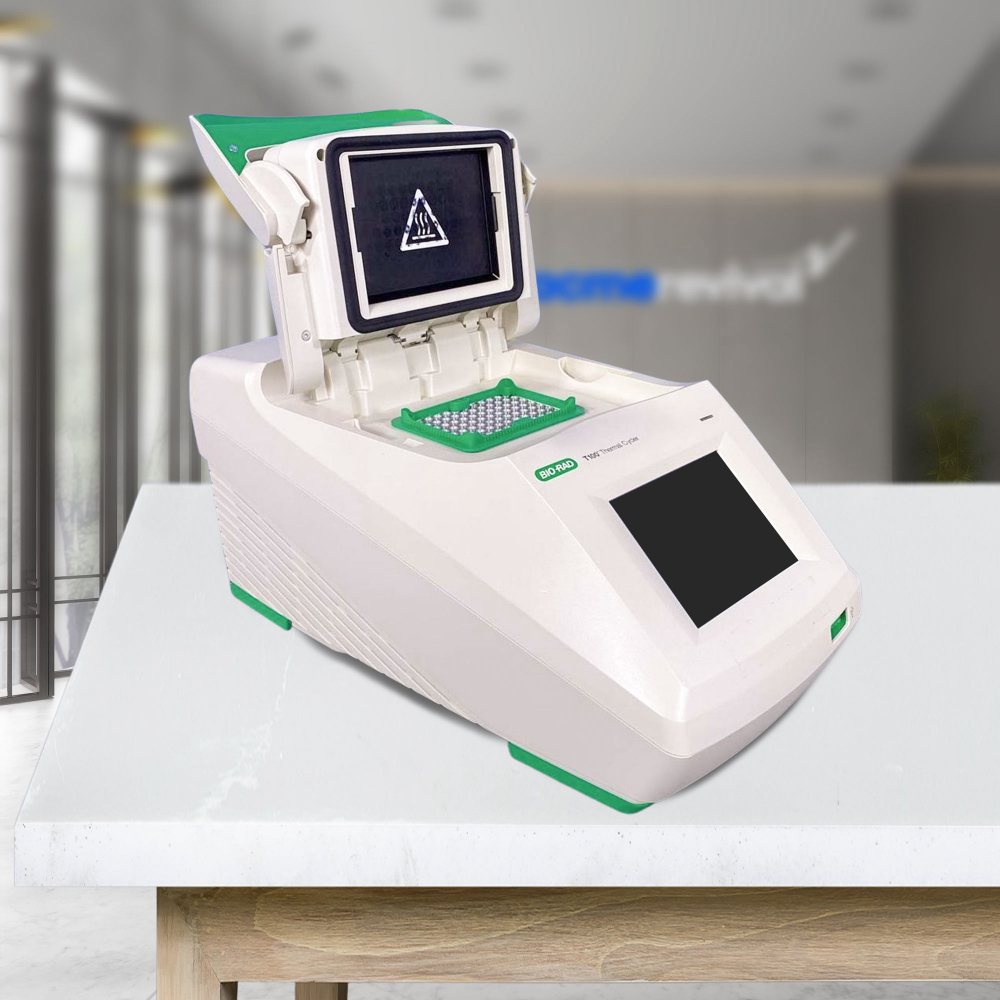
A PCR machine copies small amounts of DNA into millions of identical pieces. It helps detect viruses, bacteria, and genetic conditions. The device runs repeated heating and cooling cycles to multiply DNA. This process makes tiny DNA samples large enough to study. PCR machines work in hospitals, research labs, and mobile testing units. They are essential for COVID-19 testing, cancer research, and forensic science. Portable PCR machines bring advanced testing to remote locations. The technology has transformed medical diagnostics and biological research.
Overview of Main Components
A PCR machine contains several sophisticated systems working together. The thermal cycling block heats and cools samples precisely. The control system manages temperature changes and timing. The optical detection system measures DNA multiplication. The sample holder contains the reaction tubes or plates. The user interface programs the testing protocol. The data analysis software interprets results. The cooling system removes excess heat. The calibration system ensures accuracy. The power management system maintains stable operation through hundreds of cycles.
Detailed Component Analysis
Thermal Cycling Block: Changes temperature rapidly and precisely. It might heat to 95°C then cool to 55°C within seconds. The block maintains exact temperatures for DNA processing.
Precision Temperature Control: Maintains accuracy within 0.1°C of target temperature. It uses multiple sensors for verification. Precise temperatures are critical for successful DNA copying.
Optical Detection System: Measures DNA multiplication using fluorescent signals. It tracks the increasing DNA amount in real-time. The system uses special filters and sensitive light detectors.
Sample Block Design: Holds tubes or plates containing DNA samples. It ensures even heating of all samples. The block may hold 16, 48, or 96 samples depending on the model.
Microprocessor Control: Manages the complex timing of temperature cycles. It runs pre-programmed protocols for different tests. The processor records data throughout the process.
Touchscreen Interface: Allows scientists to program testing protocols. It displays current status and results. Modern screens offer intuitive workflow and easy adjustments.
Rapid Heating System: Changes temperatures at rates up to 5°C per second. It uses ceramic heaters or Peltier elements. Fast cycling reduces total test time.
Active Cooling Mechanism: Quickly reduces temperature between cycles. It might use fans, liquid cooling, or thermoelectric systems. Efficient cooling is crucial for test speed and accuracy.
Data Storage System: Records all test parameters and results. It allows comparison of current and previous runs. The system can transfer data to computers for further analysis.
Battery Type Section
High-Capacity Lithium-Ion Battery: Powers portable PCR units for 4-8 hours. It supports 20-30 complete test cycles per charge. The battery prioritizes stability over weight for consistent results.
Temperature-Stable Design: Maintains performance during intense heating and cooling cycles. It includes thermal insulation from hot components. This prevents battery degradation from heat exposure.
Power Regulation Circuit: Delivers consistent electricity despite varying demands. It handles the high current needed during heating phases. Stable power is essential for accurate test results.
Energy Management System: Optimizes power use during different testing phases. It directs more power to heating and less to standby phases. This smart distribution extends operating time.
External Power Priority: Automatically switches to wall power when available. It charges the battery while operating. This design preserves battery life during lab-based testing.
Field Testing Mode: Balances performance with extended runtime. It may use slightly longer cycles to save power. This mode is ideal for remote locations with limited charging options.
Portable power experts, contact Tefoo Energy today for standard battery packs or custom battery packs.
Since 2012, Tefoo Energy has been committed to becoming a leader in rechargeable battery pack technology and providing services to the global OEM market. Our experienced team utilizes proven technology and innovative engineering to design, assemble, and test batteries, including rechargeable battery packs, removable batteries, hard-case batteries, smart batteries, SMBus batteries, and more. We support high and low-volume manufacturing and serve a diverse customer base including some of the world’s most renowned companies. Contact us today, as we can meet your most challenging battery needs.