By the TEFOO Medical Battery Engineering Team | November 2026
1. Introduction
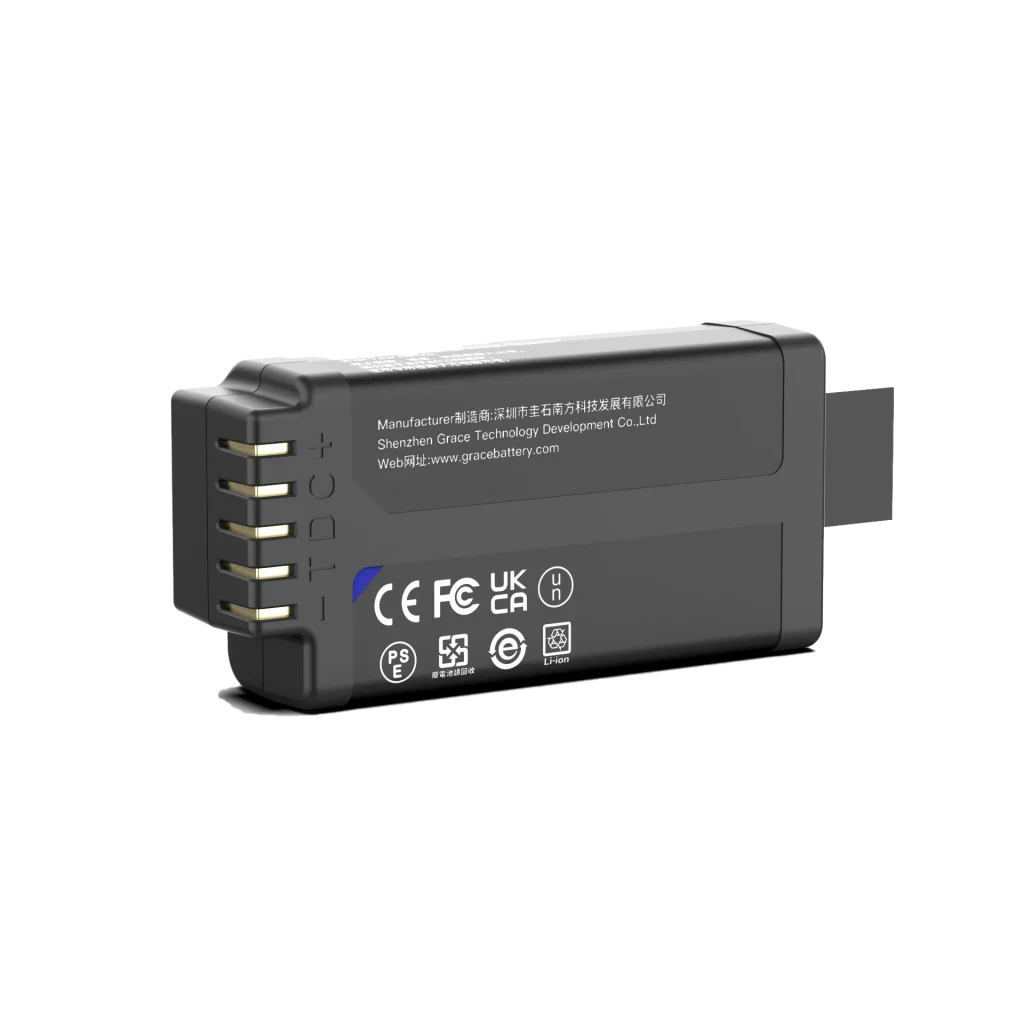
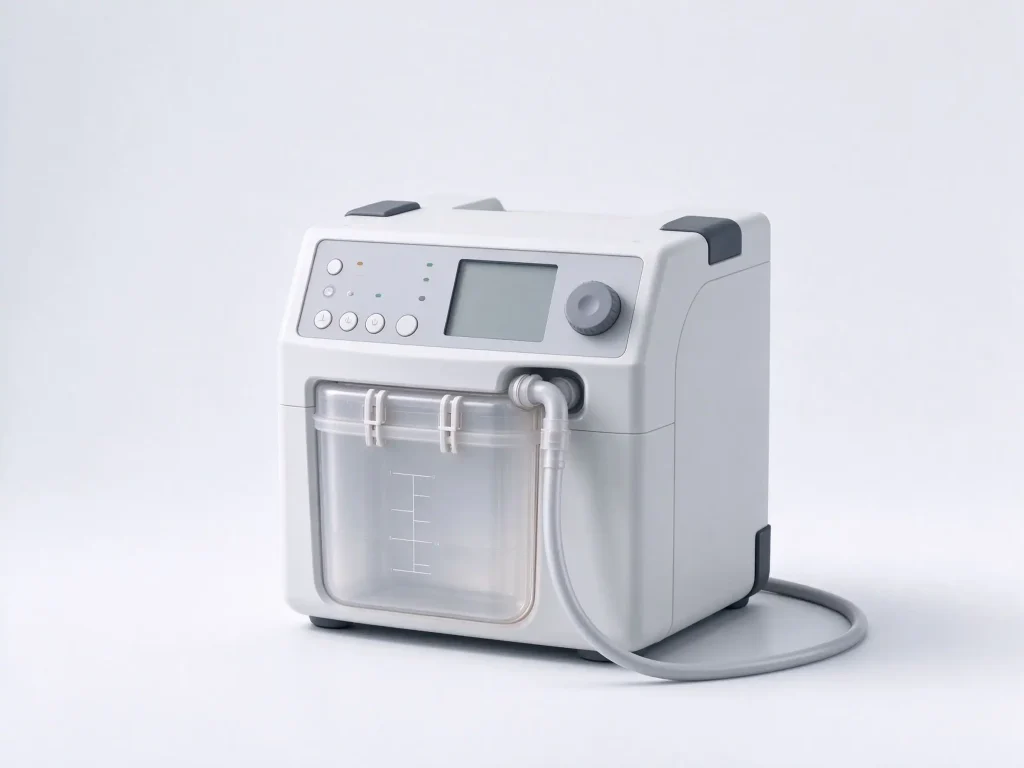
Ambulatory infusion pumps deliver analgesia, chemotherapy, antibiotics, parenteral nutrition and insulin outside the hospital bed. Because the patient carries the device for 24 hours or longer, the battery is no longer a secondary component: it is the wearable subsystem that directly determines therapy continuity, patient comfort and, ultimately, clinical outcome. Biomedical engineering (BME) teams and pump OEMs are caught between two engineering pressures that pull in opposite directions: a compact high energy battery for ambulatory infusion pump designs that disappears under clothing, and a long life battery pack for infusion pump fleet replacement programs that minimizes downtime, spare-parts inventory and the risk of sudden depletion mid-infusion.
This guide is written from the perspective of a lithium-battery R&D team that designs custom smart packs for medical-device OEMs. We cover the electrical, mechanical and regulatory choices that separate a field-grade pack from a consumer-grade cell bundle, and we lay out a practical fleet-replacement policy that BME managers can adopt in 2026.
2. Why Battery Design Drives Ambulatory Pump Performance
An ambulatory pump draws only a few watts on average, but its power budget is unusually unforgiving. The stepper motor that drives the syringe or peristaltic mechanism, the MCU, the backlit display, the audible and visual alarms, and increasingly the Bluetooth or NFC telemetry link all share the same rail. A battery that sags under motor inrush, or that reports state-of-charge (SoC) inaccurately, can produce two failure modes that are unacceptable in a clinical setting: an unexpected low-battery alarm during a multi-hour chemotherapy cycle, or a premature shutoff that interrupts a continuous infusion.
The clinical stakes are not theoretical. In 2024, Smiths Medical issued a field safety notice for the CADD-Solis ambulatory infusion pump Li-ion rechargeable battery (reference 21-2160-XX), and the U.S. FDA subsequently logged a Class II recall (recall number 210359) covering the CADD-Solis Li-ion rechargeable battery pack and AC adapter. The episode underscores a point that is easy to overlook on a BOM: in a wearable drug-delivery device, the battery is a medical-device safety item, not a consumable.
3. Specifying a Compact High Energy Battery for Ambulatory Infusion Pumps
3.1 Cell chemistry and form factor
Virtually every modern ambulatory pump uses a lithium-ion or lithium-polymer pack; legacy NiMH packs (for example the 6 V 2150 mAh pack used on older Baxter AS40/AS50/AS60 pumps) are being retired on the replacement market because of their lower energy density, memory effect and higher self-discharge. Within the Li-ion family, two cell families dominate:
- Pouch / prismatic Li-polymer cells: the choice for truly compact ambulatory pumps. The CADD-Solis pack, for example, uses a 3.7 V 1400 mAh Li-ion pouch that slips into a pocket on the patient’s clothing.
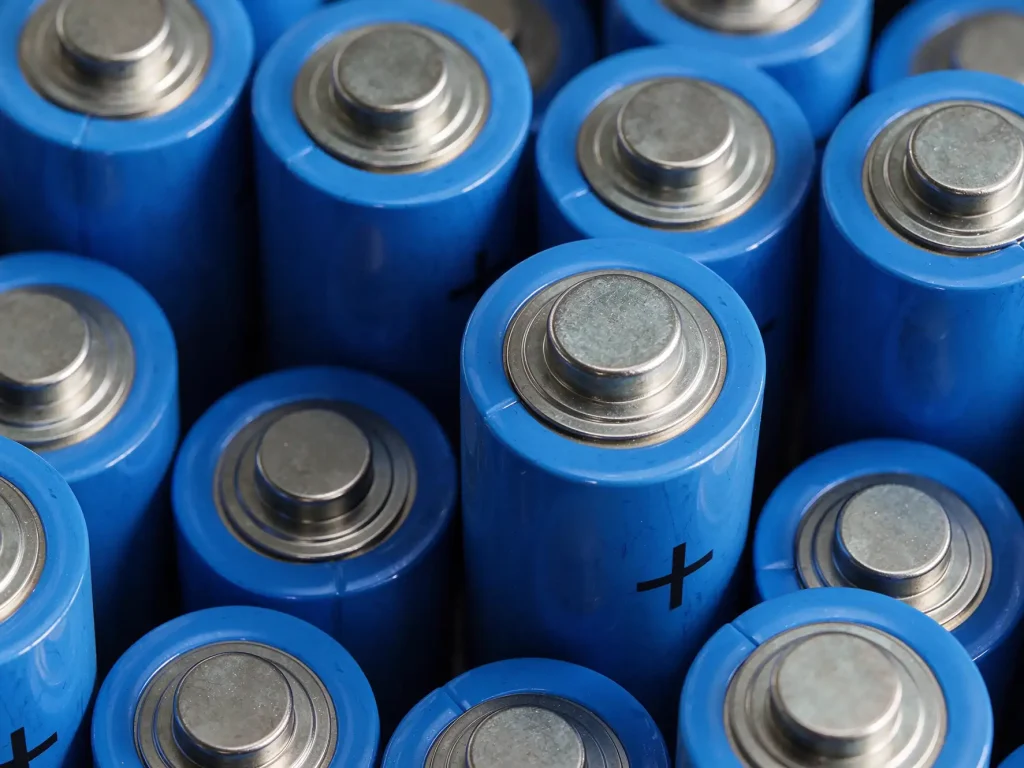
- Cylindrical 18650 (and increasingly 21700) cells: the workhorse for larger infusion and enteral-feeding pumps. Common configurations on the replacement market are 2S1P at 7.4 V and 2600 mAh, or 3S1P at 11.1 V and 2600-3200 mAh.
A useful reference point is the Penlon SYS-70 infusion pump, which ships with a single 11.1 V 1500 mAh Li-ion internal battery rated for more than 5 hours of operation at a 25 mL/h infusion rate. That figure – roughly 16.6 Wh of stored energy for a half-day of continuous therapy – is a realistic design target for a ward-grade ambulatory pump.
3.2 Energy density vs. mechanical protection
High energy density is only half the story. A pack that survives a 1 m drop onto a linoleum floor, or that tolerates being carried in a patient’s shoulder bag, needs structural support: a rigid FR4 or polycarbonate carrier, ultrasonic-welded or overmolded housing, and a flex-rigid PCB that isolates the cell from impact. We routinely see aftermarket packs that match the nominal mAh on paper but fail drop or vibration because they skip the mechanical carrier. For a medical device, that difference is the difference between a registered pack and a field-failure statistic.
3.3 Thermal and environmental envelope
Patients carry pumps through a wide range of skin and ambient temperatures. Li-ion cells lose roughly 10-20 % of usable capacity near freezing and age faster above 35 degrees C. A medical pack should be rated for the device’s claimed operating range (typically 5-40 degrees C, 15-90 % RH) and should derate charging below 0 degrees C, where lithium plating becomes a safety issue.
4. Engineering a Long Life Battery Pack for Infusion Pump Fleet Replacement
4.1 Two clocks: cycle life and calendar life
Battery aging runs on two independent clocks. Cycle life counts full charge-discharge exchanges; calendar life counts years on the shelf, whether or not the cells are cycled. The published figure on a manufacturer’s datasheet usually describes cycle life. The CADD-Solis operator manual, for example, specifies 400 full charge/discharge cycles at 23 degrees C. That is the OEM floor for a multi-year design life – and it is why BME teams that wait for a runtime complaint before replacing a pack are already late.
A long-life pack for fleet service targets 800-1200 cycles at 80 % depth-of-discharge, achieved through three engineering choices:
- Charge-voltage derating. Lowering the maximum charge voltage from 4.20 V/cell to 4.10 V/cell costs roughly 8-10 % of nameplate capacity but can double cycle life. For a pump that rarely draws more than 20 % of the pack per cycle, that trade is almost always worth it.
- State-of-charge window. Keeping daily operation between 30 % and 80 % SoC – rather than topping to 100 % every night – is the single most effective calendar-life lever. A hospital-grade charger that enforces this window is a small capital expense against the spare-pack inventory it eliminates.
- A smart battery management system (BMS) with cell balancing. Passive balancing is adequate for 2S and 3S packs; active balancing becomes worthwhile when cells age unevenly across a large fleet.
4.2 Fuel gauging and SMBus
Accurate SoC reporting is what converts a durable pack into a trustworthy pack. Modern medical packs use an I2C- or SMBus-based fuel-gauge IC (for example the TI bq series) that tracks coulomb counting, cell impedance and temperature, and reports remaining run time back to the pump’s firmware. SMBus also lets the pump log cycle count, maximum temperature and state-of-health over the service life – the data a BME director needs to move from calendar-based replacement to predictive replacement.
4.3 A practical fleet replacement policy
Field service benchmarks from biomedical maintenance providers recommend proactive replacement of infusion pump batteries at or before the three-year mark, and load-testing any pack that shows visibly faster depletion. A data-driven fleet policy looks like this:
- Year 1: baseline runtime test on every pack at preventive maintenance (PM) visit.
- Year 2: mid-life capacity check; flag any pack below 80 % of nameplate.
- Year 3: proactive fleet-wide replacement, regardless of runtime complaint.
- Continuous: pull any pack with a BMS-logged cycle count above 800, a maximum cell temperature above 50 degrees C, or a field event (drop, exposure to liquid).
5. Regulatory and Compliance Landscape
A battery pack built for an infusion pump is part of a Class II (FDA) / Class IIa (EU MDR) medical device. The pack designer must satisfy both the device-level standard and the battery-level standards that notified bodies and the FDA expect:
| Standard / Regulation | Scope | Why it matters for the pump OEM |
| IEC 60601-1 / IEC 60601-2-24 | Medical electrical equipment; particular requirements for infusion pumps and controllers | Defines essential performance, including alarm and shut-off behavior under battery depletion. |
| IEC 62133-2:2017 | Safety requirements for portable sealed secondary lithium cells | The battery-level safety test most notified bodies require; FDA-recognized consensus standard. |
| UL 1642 / UL 2054 | U.S. safety standards for lithium cells and battery packs | Required for the U.S. market; often called up by UL-listed pump OEMs. |
| UN 38.3 | Transport safety testing of lithium cells and batteries | Mandatory for shipping cells and finished packs by air, sea and road. |
| ISO 13485 | Medical-device quality management system | The pack contract manufacturer should hold ISO 13485; the pack is part of the device change-control file. |
| EU Regulation 2023/1542 | EU battery and waste-battery regulation | Medical-device batteries benefit from targeted derogations on consumer removability/replaceability, but CE marking, labeling and supply-chain due-diligence obligations still apply. |
Table 1. Core standards and regulations applicable to an infusion-pump Li-ion battery pack (2026).
On the EU 2023/1542 question specifically: the European Commission guidance recognizes that uninterrupted power supply is a patient-safety requirement for active medical devices, and grants targeted derogations under Article 11(3) and related guidance. In practice, that means an infusion-pump pack does not need to be removable and replaceable by the end-user consumer – but it must remain removable and replaceable by trained professionals, and the pack still has to satisfy labeling, carbon-footprint and due-diligence obligations as the regulation phases in through 2027 and beyond. Pump OEMs building new platforms should plan their technical file accordingly.
6. Infusion Pump Battery
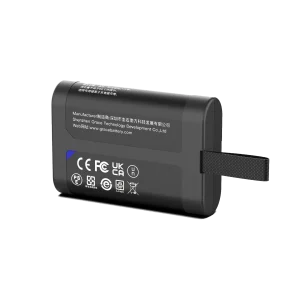
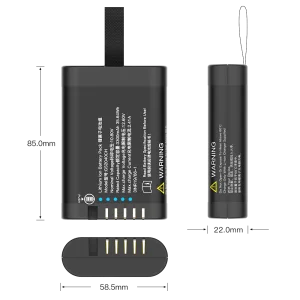
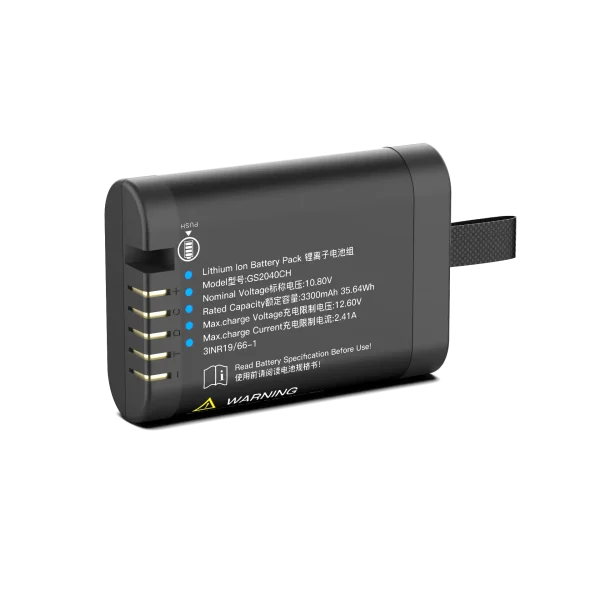
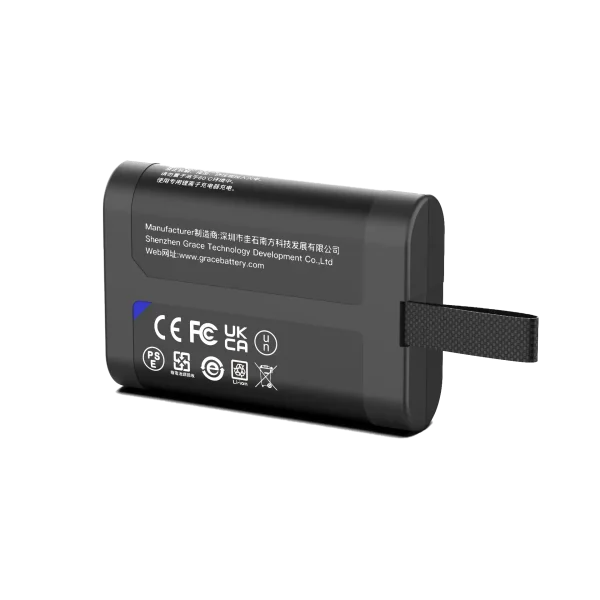
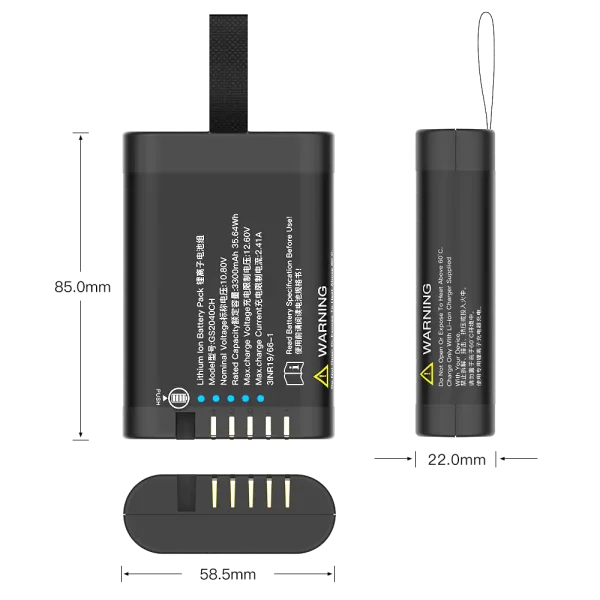
GS2040CH
10.8V/3450mAh/35.64Wh
When selecting an ODM/OEM partner for a custom long-life pack, we recommend asking four questions up front: (1) Do you hold ISO 13485, and is the pack line within that certified scope? (2) Can you provide an IEC 62133-2 test report and a UN 38.3 summary for the exact cell plus PCM configuration we will ship? (3) Can you integrate a TI (or equivalent) SMBus fuel gauge and share the data sheet and SMBus protocol specification our firmware team will need? (4) What is your minimum-order quantity and lead time for a medical-rated pack? Suppliers that cannot answer all four on the first call are unlikely to survive a notified-body audit.
7. Frequently Asked Questions
How long should an ambulatory infusion pump battery last?
Published OEM cycle lives typically start at 400 full cycles. With a derated charge voltage, a 30-80 % SoC operating window and a balanced smart BMS, a well-designed pack should reach 800-1200 cycles and three to five calendar years in fleet service. Most biomedical maintenance programs proactively replace packs at the three-year mark.
Can I use a generic replacement battery in a CE- or FDA-marked pump?
Not without due diligence. The battery is part of the medical device essential performance and change-control file. A generic pack that does not match the original pack fuel-gauge profile, protection thresholds or safety certifications can invalidate the device regulatory status and, more importantly, introduce an untested clinical risk. Use a replacement partner that can supply IEC 62133-2, UN 38.3 and (where required) UL 1642/2054 documentation for the exact pack.
What is SMBus and why does it matter?
SMBus (System Management Bus) is a two-wire serial protocol between the battery and the host device. It lets the pump read remaining capacity, cycle count, state-of-health and temperature in real time, and it is the basis for accurate low-battery alarms and predictive fleet replacement. A pack without SMBus fuel gauging reports voltage only – which is why cheap replacements famously alarm at 30 % and die 20 minutes later.
How do I calculate the right pack capacity for my pump?
Start with the worst-case infusion duration (typically 24-72 hours for ambulatory use), measure the pump average current draw at the highest flow rate and display brightness, and add a 50 % safety margin for battery aging, temperature and alarm events. A pack that feels comfortable on day one will be marginal by year three.
Does EU Battery Regulation 2023/1542 affect infusion pump batteries?
Yes, but medical devices receive targeted derogations on consumer-facing removability rules. Packs must remain replaceable by trained professionals, and labeling, carbon-footprint and supply-chain due-diligence obligations phase in over 2026-2027. Confirm the exact timing with your notified body, because the regulation delegated acts are still being published.
8. Conclusion
A compact high energy battery for an ambulatory infusion pump and a long life battery pack for infusion pump fleet replacement are not competing requirements – they are two sides of the same engineering program. The compact side is solved with the right pouch or 18650 form factor, a structural carrier and a well-executed thermal design. The long-life side is solved with charge-voltage derating, a sensible SoC window, SMBus fuel gauging and a proactive three-year fleet replacement policy. Get both right, and the pack stops being the subsystem that drives service calls; get either wrong, and the CADD-Solis field notice from 2024 is a reminder of how quickly a battery issue becomes a clinical safety event.
If you are designing a new ambulatory pump platform or planning a fleet refresh, involve your battery engineering partner at the architecture stage. The pack that fits the envelope, talks to the firmware over SMBus, and survives a notified-body audit is rarely the one chosen at the last minute from a distributor catalog.
References
[1] Penlon Ltd. SYS-70 Infusion Pump Technical Sales Sheet (internal battery 1 x 11.1 V 1500 mAh; >5 hours at 25 mL/h). November 2025. https://www.penlon.com/app/uploads/2025/11/SYS-70-Tech-Sales-EN-0225.pdf
[2] Connect Biomedical. Infusion Pump Preventive Maintenance Checklist – battery replacement assessment, replace proactively if older than 3 years. June 2026. https://www.connectbiomedical.com/maintenance-checklist/infusion-pump-preventive-maintenance-checklist/
[3] U.S. FDA. Recognized Consensus Standards: Medical Devices – IEC 62133 (secondary cells and batteries containing alkaline or other non-acid electrolytes). Updated September 2026. https://www.accessdata.fda.gov/scripts/cdrh/cfdocs/cfStandards/results.cfm
[4] U.S. FDA. Class II Device Recall 210359 – Smiths Medical CADD-Solis Li-ion Rechargeable Battery Packs, REF 21-0270-25. https://www.accessdata.fda.gov/scripts/cdrh/cfdocs/cfRes/res.cfm?id=210359
[5] ANSM (Agence nationale de securite du medicament). Urgent Field Safety Notice – Batterie rechargeable pour pompe a perfusion ambulatoire CADD-Solis, reference 21-2160-XX. November 2024. https://ansm.sante.fr/uploads/2024/11/05/20241105-mes-batterie-cadd-smiths.pdf
[6] European Parliament and Council. Regulation (EU) 2023/1542 concerning batteries and waste batteries. EUR-Lex. https://eur-lex.europa.eu/legal-content/EN/TXT/?uri=CELEX:32023R1542
[7] European Commission, Environment Directorate-General. Guidance on exemptions to the portable battery removability and replaceability requirements – medical devices derogation under Article 11(3). 2025. https://eur-lex.europa.eu/legal-content/EN/TXT/HTML/?uri=OJ:C_202500214
[8] Large Battery. Design Guide for Infusion Pump Lithium Batteries That Meet IEC 60601 Medical Standards (IEC 62133-2:2017, UN38.3, UL 1642/2054, ISO 13485). December 2025. https://www.large-battery.com/blog/infusion-pump-lithium-batteries-iec-60601-design-guide/
About the Author and Disclosure
This article was written by the TEFOO Medical Battery Engineering Team. TEFOO designs and manufactures custom smart Li-ion battery packs – including SMBus and I2C fuel-gauged packs – for medical and industrial device OEMs, with ISO 13485-aligned manufacturing processes and IEC 62133-2 / UN 38.3 certified cells.
Disclosure: the authors work for a battery-pack supplier. The views above are technical educational content based on published standards, OEM manuals and field service practice; they are not legal, regulatory or clinical advice. Pump OEMs should validate every battery architecture change against their own regulatory file and notified-body guidance. No paid placement from any competitor named in this article was accepted.