By Author , Senior Lithium Battery R&D Engineer, TEFOO
Last updated: 11 November 2026
1. Introduction
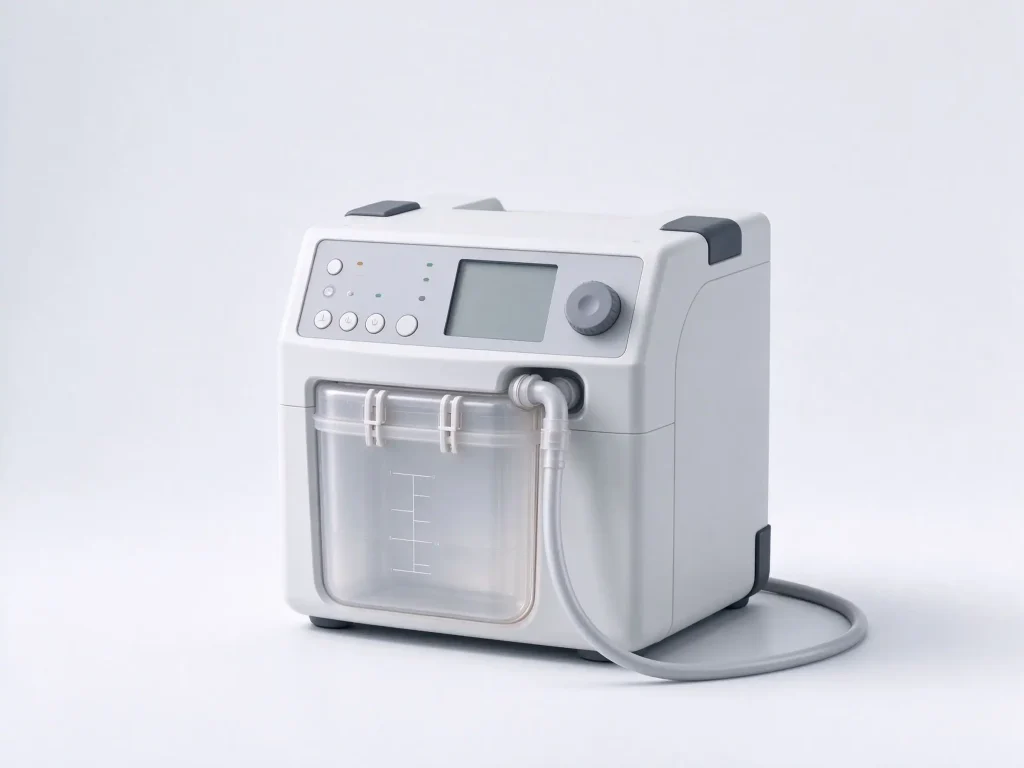
Infusion pumps deliver medication, parenteral nutrition, chemotherapy and other fluids at controlled rates over minutes, hours or days. In clinical use, the pump’s power source is not a convenience accessory: a sudden loss of power can interrupt a dose, trigger an alarm, and in some situations affect patient safety. For this reason, the battery is treated as part of the device’s basic safety and essential performance rather than as a generic spare part.
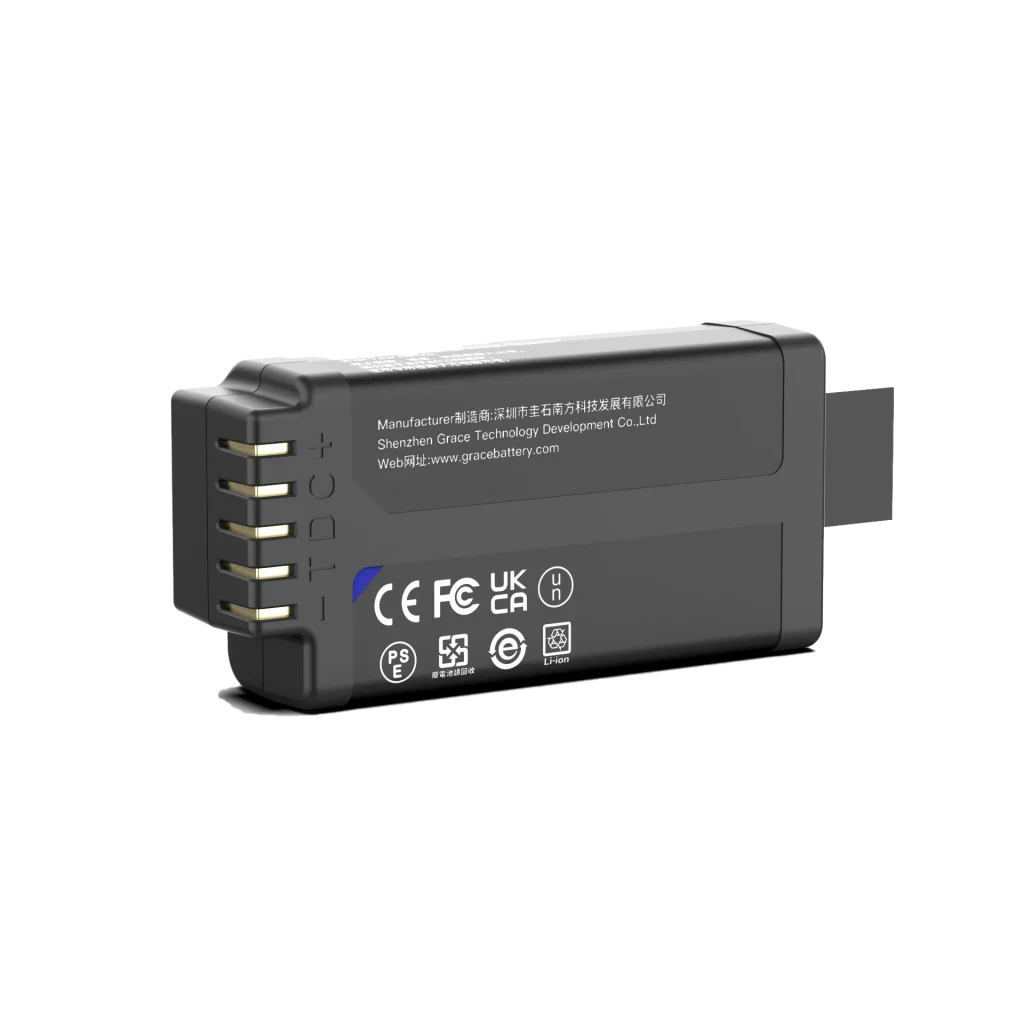
Most medical device manufacturers do not design and manufacture battery packs in-house. Instead, they partner with a specialist infusion pump battery supplier for device manufacturers that can translate the pump’s electrical, mechanical and clinical requirements into a validated, certifiable pack. This guide is written from the battery R&D desk: it explains how an OEM infusion pump battery pack with charge status indicator is specified, designed, tested and documented, and what evidence device manufacturers should request before signing an OEM program.
The focus keywords used in this article are “infusion pump battery supplier for device manufacturers” and “infusion pump battery pack with charge status indicator OEM”. Where standards, regulations or test methods are named, references are listed in Section 11 with links to the original sources.
2. Why the Battery Is Mission-Critical in an Infusion Pump
Infusion pumps operate in two broad power scenarios. Mains-powered pumps use the battery as a backup during mains interruption, transport between wards, or power failure. Portable, ambulatory and ambulatory-style pumps run primarily on battery and must sustain the programmed infusion rate for the intended therapy duration. In both cases, the battery must behave predictably across the full warranty life of the device.
From a regulatory standpoint, IEC 60601-1 defines the general requirements for basic safety and essential performance of medical electrical equipment. The battery interface, its protection behavior, and its contribution to essential performance are inputs to the manufacturer’s risk management file, developed according to ISO 14971:2019, Medical devices — Application of risk management to medical devices. A battery that drops out unexpectedly, reports an inaccurate state of charge, or fails under an internal fault can compromise the device’s essential performance even if the pump’s pumping mechanism itself is sound.
Three clinical requirements drive battery design:
- Reliable capacity: the pack must deliver the rated run-time under the pump’s actual duty cycle, including alarm states, display backlight and communication activity.
- Predictable state of charge (SOC): clinical staff need a trustworthy indication of remaining energy so they can schedule charging or battery replacement before an interruption occurs.
- Safe fault behavior: overcharge, over-discharge, over-current, short circuit and temperature faults must be contained without fire, rupture or loss of the device’s safe state.
3. Core Design Requirements for an OEM Infusion Pump Battery Pack
3.1 Cell Chemistry and Pack Configuration
Most modern infusion pump packs use lithium-ion cylindrical cells (for example INR18650-type formats) or lithium-polymer prismatic cells, selected according to the required energy density, mechanical envelope and cycle-life target. Pack voltages observed in portable medical equipment commonly fall around 7.2 V / 7.4 V (two-cell series) or 14.4 V / 14.8 V (four-cell series), with capacity matched to the target run-time and hot-swap requirement. The exact configuration is determined by the pump’s power budget, not by a standard off-the-shelf pack.
Cells should come from the supplier’s qualified cell list, with lot-level traceability maintained through incoming inspection, aging and lot release. Cell matching within a pack (capacity, internal resistance and open-circuit voltage) directly affects cycle life and the accuracy of the fuel gauge.
3.2 Smart Battery Management System (BMS)
The BMS is the control center of the pack. For an infusion pump application it should provide, at minimum:
- Overcharge protection, over-discharge protection and over-current / short-circuit protection with controlled FET switching.
- Cell balancing to keep series cells aligned across the cycle life.
- Temperature monitoring and charge/discharge derating or cut-off when temperature limits are exceeded.
- A fuel gauge that estimates SOC, remaining capacity, remaining run time and state of health (SOH), typically using coulomb counting compensated by voltage and temperature.
- Fault recording and diagnostic data that can be read by the host pump or by service personnel.
The protection thresholds, recovery conditions and fault behavior must be documented so they can be reviewed against the device risk file during design transfer.
3.3 Charge Status Indicator
A charge status indicator lets clinical staff or operators read residual energy at a glance, without switching on the pump or entering a service menu. In an OEM infusion pump battery pack with charge status indicator, two implementation routes are common, and they are often combined:
- On-pack LED indicator: a three- or four-segment LED bar mounted on the pack housing, showing charge level in steps (for example four segments at 25% increments), usually activated by a small pushbutton or on insertion into the pump.
- Host-display SOC: the pack reports calibrated SOC over the communication bus to the pump’s main display, where the device manufacturer renders the low-battery alarm and remaining-time indication.
The indicator must reflect the fuel-gauge algorithm rather than raw terminal voltage. Voltage alone is misleading under load and near end-of-discharge; the gauge should be calibrated against the actual pump duty cycle, and the LED segment thresholds should map to validated SOC ranges. Indicator accuracy, wake-up behavior, backlight and labeling language are agreed during the specification phase.
3.4 Communication Protocol: SMBus / I2C
Smart battery packs commonly communicate over SMBus (System Management Bus) or a related I2C interface. Through this bus the pack can report SOC, remaining capacity, full-charge capacity, cycle count, SOH, cell temperature and fault flags to both the host pump and the charger. This data enables reliable low-battery alarms, accurate remaining-time estimates and service diagnostics.
The protocol version, register map, data points and handshake sequence must be defined jointly with the OEM’s firmware team during design transfer, so the pump host and charger interpret the pack’s data consistently. A generic analog voltage readout cannot provide this level of diagnostic information.
3.5 Mechanical Design, Enclosure and Service Life
The pack housing is typically molded from a flame-retardant engineering plastic meeting UL 94 V-0 requirements, with a keyed connector to prevent reverse insertion, a reliable latching or docking mechanism, and markings that identify polarity, rating and safety information. Mechanical design must account for repeated insertion and removal, drop and vibration in the clinical environment, and any sterilization or cleaning constraints specified for the pump.
Cycle-life targets, warranty duration, expected storage conditions and spare-parts strategy are agreed up front, because they influence cell selection, BMS settings and the aging profile applied during production.
3.6 Safety Under Fault and Abuse
Pack-level safety builds on cell-level safety: qualified cells, protective fusing or electronic interruption, thermal monitoring and controlled fault response. The supplier should define how the pack behaves under the abuse scenarios relevant to the device risk analysis, and should be able to provide test evidence supporting those behaviors. The finished device’s conformity assessment remains the device manufacturer’s responsibility.
4. Certification and Regulatory Evidence to Request
Medical battery programs require a stack of evidence rather than a single certificate. The table below summarizes the standards and regulations most commonly relevant to an infusion pump battery pack, and the documentation a device manufacturer should request from the supplier.
| Standard / Regulation | Scope | Evidence to Request from the Supplier |
| ISO 13485:2016 | Quality management system specific to medical devices, covering design, production, traceability and corrective action for regulatory purposes. | Valid certificate with a scope covering battery pack design and manufacture; design-change control, traceability and CAPA procedures; audit history where available. |
| IEC 62133-2:2017 + A1:2021 (Ed. 1.1) | Safety requirements for portable sealed secondary lithium cells and batteries used in portable applications. | Test report covering the cells and pack configuration used in the program; revision status and test laboratory identification. |
| IEC 60601-1 Ed. 3.2 (2020-08) | General requirements for basic safety and essential performance of medical electrical equipment; the battery contributes to device-level compliance. | Pack specification, BMS protection description, interface specification and inputs to the device risk file; support for the OEM’s device-level verification. |
| IEC 60601-1-2 Ed. 4.1 (2020-09) | Collateral standard for electromagnetic disturbances (EMC) of medical electrical equipment. | Battery and charger-related emissions and immunity considerations; guidance for the OEM’s EMC verification of the finished device. |
| IEC 60601-1-10 Ed. 1.2 (2020-07) | Collateral standard for the development of energy sources (ESS) used in medical electrical equipment. | Evidence that the battery energy source followed the required development lifecycle, including requirements, design review and verification records. |
| UN Manual of Tests and Criteria, Section 38.3 (UN38.3) | Lithium battery transport tests: altitude simulation, thermal test, vibration, shock, external short circuit, impact/crush, overcharge and forced discharge. | UN38.3 test summary and test report for each battery model, available to carriers and customs authorities; current revision of the UN Manual. |
| ISO 9001 / ISO 14001 | General quality management and environmental management systems. | Certificates and scope statements; environmental control and disposal information relevant to the destination market. |
| CE / UKCA marking | Conformity marking for the EU and UK markets, applied to the finished medical device. | Battery documentation that supports the OEM’s conformity assessment; markings, labels and technical file inputs aligned to the destination market. |
| Regulation (EU) 2023/1542 (EU Battery Regulation) | EU rules on batteries and waste batteries: labeling, performance and durability, removability/replaceability, and category-specific obligations. In force since 17 August 2023; applicable from 18 February 2024. | Category classification support, labeling and documentation aligned to the regulation; note that Article 11(3) provides a derogation from removability/replaceability requirements for certain medical devices where continuity of power supply is safety-critical. Confirm applicability with the notified body and qualified counsel. |
Note on the digital battery passport: under Regulation (EU) 2023/1542, a battery passport becomes mandatory from 18 February 2027 for electric-vehicle batteries, light means of transport (LMT) batteries and industrial batteries with a capacity greater than 2 kWh. Portable medical battery packs, such as those used in infusion pumps, generally fall outside this passport category; manufacturers should still confirm the final category classification for their specific pack with the notified body or legal counsel.
5. How to Evaluate an Infusion Pump Battery Supplier for Device Manufacturers
Selecting a supplier for a medical battery program is a regulatory and engineering partnership, not a component purchase. The following criteria should be evaluated during supplier qualification, together with the evidence requested at each stage.
| Evaluation Dimension | What to Evaluate | Evidence to Request |
| Regulatory maturity | Whether the supplier operates a medical-device QMS and has a track record with medical or safety-critical packs. | ISO 13485 certificate and scope, medical project references, audit reports, procedures for design change and customer notification. |
| Technical depth | BMS firmware, fuel-gauge tuning, SMBus/I2C integration, mechanical design for the pump envelope, and design-for-manufacturing capability. | Reference designs, bench and validation test data, BMS description, protocol register map, sample evaluation reports. |
| Documentation package | Completeness of the technical file that will support the OEM’s device registration. | Specification sheet, BOM, cell traceability, test reports, risk-file inputs, labeling drawings, FAI or PPAP-style dossier, and document-controlled revision history. |
| Customization capability | Ability to adapt form factor, connector, indicator, firmware protocol, label and packaging to the OEM device. | Customization history, tooling approach, MOQ and sample lead time, joint review process for mechanical and firmware changes. |
| Supply continuity | Long-term cell allocation, obsolescence control and backup plans for the device’s field life. | Long-term supply agreement terms, second-source plan, obsolescence notice policy, warranty and spare-parts commitment. |
| Production quality | Incoming inspection, aging/burn-in, capacity matching, lot release and complaint handling. | Quality plan, lot-release records, aging profile, CAPA and complaint-handling process, traceability from finished pack back to cell lot. |
| Commercial cooperation | NDA handling, sample and pilot-batch timing, ramp plan and after-sales support. | NDA template, project schedule, pilot lot plan, ramp forecast, service and replacement workflow. |
6. Technical Specification Checklist Before an OEM Project
Before issuing an RFQ or starting a custom design, the OEM should compile the following requirements so the supplier can quote a validated pack rather than an off-the-shelf approximation:
- Target run-time per charge at the maximum and typical infusion duty cycles; required backup duration in mains-power-loss scenarios.
- Rated voltage, capacity, cell chemistry and allowed configuration; hot-swap or redundant-battery requirements.
- Operating and storage temperature ranges; altitude and environmental conditions of the destination markets.
- Cycle-life target, warranty period and expected device field life.
- Communication protocol (SMBus/I2C or other) and the exact data points the host pump and charger require.
- Charge status indicator type: onboard LED segments, host-display SOC, or both; segment thresholds and activation behavior.
- Mechanical dimensions, connector type and orientation, latching mechanism, label and marking language.
- Destination-market certifications and documentation: EU, UK, North America and any other target regions.
- Shipping state of charge, packaging configuration and annual volume forecast; spare-parts and replacement-pack strategy.
7. Frequently Asked Questions
Q1. What should an infusion pump battery supplier provide to support our device certification?
At minimum: an ISO 13485 certificate with medical scope, IEC 62133-2 test evidence, the UN38.3 test summary for the model, a pack specification, BMS protection and fault behavior description, cell and lot traceability, and change-control records. The supplier supports the technical file; conformity of the finished infusion pump remains the device manufacturer’s responsibility.
Q2. What is an OEM infusion pump battery pack with charge status indicator?
It is a custom lithium battery pack built to the pump’s mechanical and electrical interface, integrating a smart BMS and a residual-charge readout. The readout may be onboard LED segments, SOC delivered over SMBus to the pump display, or both. The pack is designed, validated and supplied under the OEM’s device program, typically carrying the OEM’s brand and labeling.
Q3. Why use SMBus instead of a simple analog voltage readout?
Terminal voltage is inaccurate under load and near end-of-discharge, so a voltage-only indicator can overstate remaining capacity. SMBus delivers calibrated SOC, remaining capacity, cycle count, temperature and fault flags, which the host pump uses to generate reliable low-battery alarms and an accurate remaining-time estimate.
Q4. How accurate should the charge status indicator be?
Accuracy targets should be defined against the pump’s clinical workflow and duty cycle, after full charge, rest and typical load profiles. The fuel gauge is calibrated on the actual pump application, and LED segments map to validated SOC thresholds rather than raw voltage. Tolerances should be agreed in the pack specification and verified in validation testing.
Q5. Are medical battery packs exempt from the EU Battery Regulation 2023/1542?
There is no general exemption. The regulation applies to batteries placed on the EU market. Article 11(3) provides a derogation from the removability and replaceability requirements for certain medical devices where continuity of power supply is essential to patient safety. Category-specific obligations, labeling and passport scope should be confirmed with the notified body and qualified counsel for the specific pack.
Q6. Can the supplier change the cells after our device is certified?
A cell or BMS change is a design change under the medical QMS. It requires risk reassessment, revalidation of safety and transport evidence where applicable, and customer notification before implementation. The change-control and notification process should be agreed in the OEM agreement.
Q7. What is the typical validation flow from sample to mass production?
The usual flow is: requirements definition, reference design, EVT samples, bench and abuse testing, DVT, pilot lot with aging and capacity matching, documentation dossier review, and production ramp. Each gate is reviewed against the device risk file before the project proceeds to the next stage.
Q8. How do we protect intellectual property in an OEM program?
Exchange confidential data only under an NDA, and record joint IP ownership for custom firmware and mechanical design. Typically the supplier retains rights to its generic BMS platform, while the OEM owns the device-specific integration, drawings and firmware configuration. All drawings and firmware versions should be document-controlled.
8. Conclusion
Choosing an infusion pump battery supplier for device manufacturers should be treated as a long-term engineering and regulatory partnership. The right supplier brings a medical-grade quality system, verified safety evidence, a smart BMS with reliable SOC reporting, disciplined documentation, and a credible supply-continuity plan. For an OEM infusion pump battery pack with charge status indicator, the indicator and the communication protocol are not cosmetic features: they are part of the device’s essential-performance evidence.
TEFOO’s battery R&D team supports medical and industrial device manufacturers with smart BMS battery systems, SMBus-based communication and pack-level OEM customization. Device engineering teams are welcome to share pump power budgets and interface requirements for a specification review and feasibility assessment.
9. About the Author
Author is a Senior Lithium Battery R&D Engineer at TEFOO , working on lithium battery pack design, BMS architecture, fuel-gauge tuning and SMBus/I2C integration for medical and industrial equipment.
10. Conflict of Interest Disclosure
The author’s employer manufactures and supplies OEM lithium battery packs, including battery packs for medical and infusion pump applications. This article provides general technical and procurement guidance and does not constitute legal, regulatory, clinical or certification advice. Device manufacturers remain responsible for the conformity of their finished device and for verifying the current version of every standard, regulation and obligation with notified bodies, certification authorities and qualified legal counsel.
11. References
[1] IEC 62133-2:2017+A1:2021, Secondary cells and batteries containing alkaline or other non-acid electrolytes – Safety requirements for portable sealed secondary cells, and for batteries made from them, for use in portable applications – Part 2: Lithium systems, IEC Webstore. https://webstore.iec.ch/preview/info_iec62133-2%7Bed1.1%7Db.pdf
[2] IEC 60601-1 Ed. 3.2 (2020-08), Medical electrical equipment – Part 1: General requirements for basic safety and essential performance, IEC Webstore. https://webstore.iec.ch/preview/info_iec60601-1%7Bed3.2%7Den.pdf
[3] FDA Recognized Consensus Standards: Medical Devices (includes IEC 60601-1-2 and IEC 60601-1-10 recognition entries), U.S. Food and Drug Administration. https://www.accessdata.fda.gov/scripts/cdrh/cfdocs/cfStandards/results.cfm
[4] ISO 13485:2016, Medical devices – Quality management systems – Requirements for regulatory purposes, International Organization for Standardization. https://www.iso.org/standard/59752.html
[5] ISO 14971:2019, Medical devices – Application of risk management to medical devices, International Organization for Standardization. https://www.iso.org/standard/72704.html
[6] Regulation (EU) 2023/1542 of the European Parliament and of the Council concerning batteries and waste batteries, consolidated text, EUR-Lex. https://eur-lex.europa.eu/legal-content/EN/TXT/HTML/?uri=CELEX:02023R1542-20230728
[7] European Commission Environment, Batteries policy page (Regulation 2023/1542 status and application dates). https://environment.ec.europa.eu/topics/waste-and-recycling/batteries_en
[8] Commission guidelines on the removability and replaceability of portable and LMT batteries under Regulation (EU) 2023/1542, including the Article 11(3) medical-device derogation context, European Commission. https://environment.ec.europa.eu/document/download/17491562-50cc-443a-897f-b50848ab0a8a_en?filename=C_2026_5032_1_EN_ACT_part1_v13.pdf
[9] UN Manual of Tests and Criteria, Section 38.3 (lithium battery transport tests); DHL dangerous-goods checklist on the UN38.3 test summary. https://www.dhl.com/discover/en-au/logistics-advice/import-export-advice/lithium-batteries-dangerous-goods-checklist
[10] Texas Instruments bq2040 Gas Gauge IC With SMBus Interface, datasheet (SOC, remaining capacity and LED segment display). https://www.ti.com/lit/ds/symlink/bq2040.pdf