By the TEFOO Medical Battery Engineering Team | November 2026
Introduction
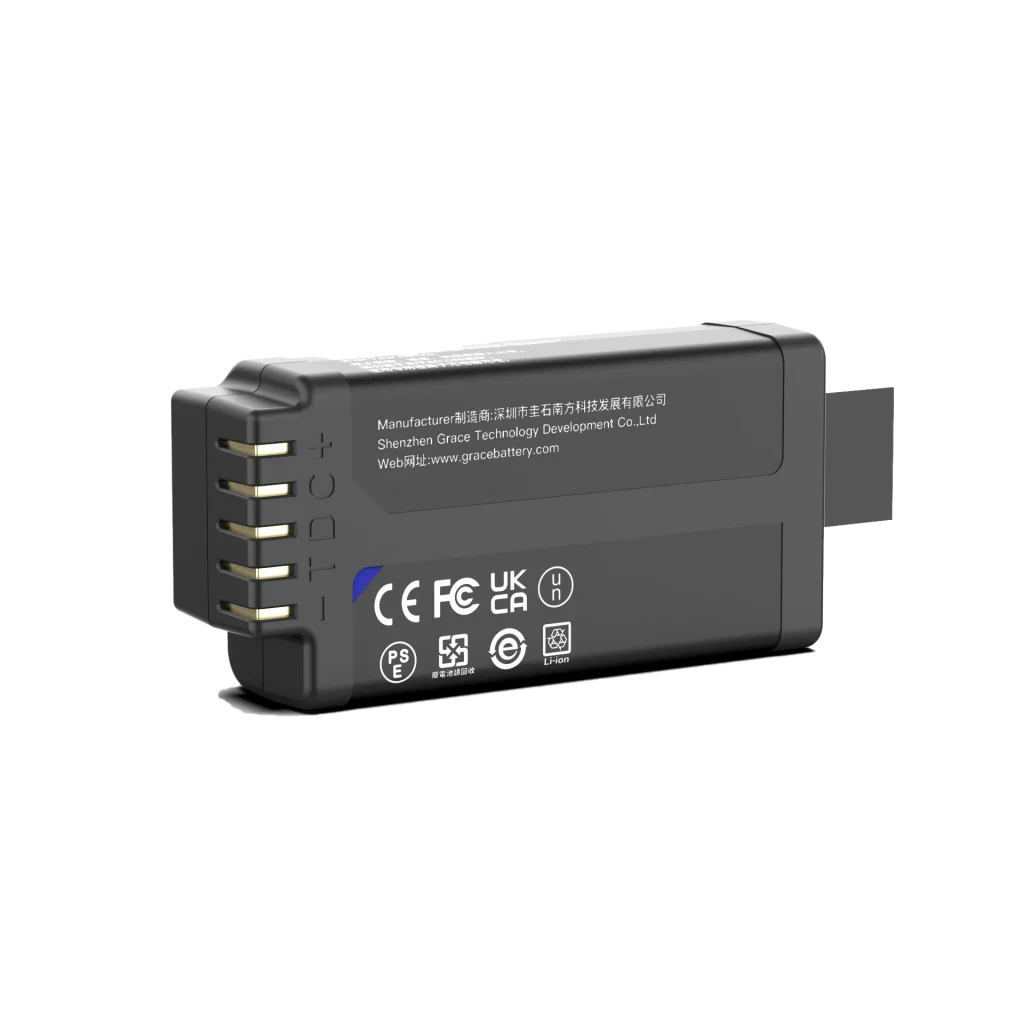
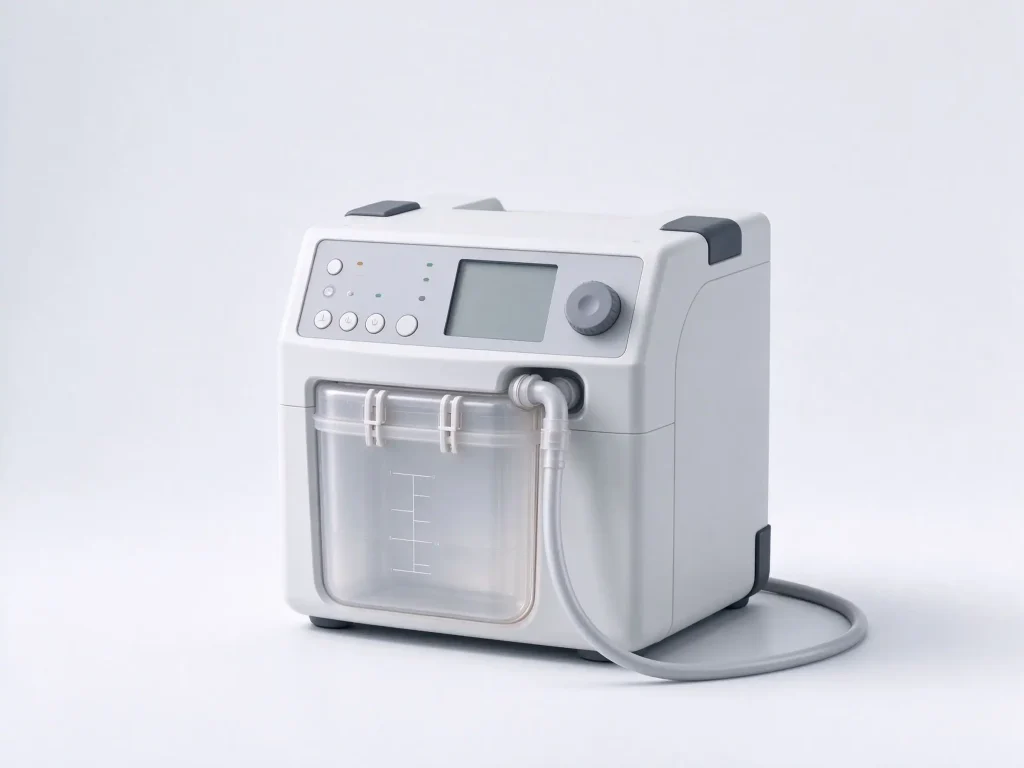
Powered surgical instruments have moved decisively from AC mains and air-hose-driven tools to cordless, battery-operated platforms. Orthopedic drills, sagittal saws, pulse lavage systems, cautery units, handheld surgical lasers, and next-generation robotic-assisted surgical arms all depend on one component that determines clinical readiness: a compact, high-rate, and regulatory-grade rechargeable lithium battery pack.
The global market for batteries used in medical equipment is projected to grow at a CAGR of approximately 8.4% from 2025 to 2032, exceeding USD 12.7 billion by 2032, while the standalone market for lithium batteries used in powered surgical drills alone is estimated at USD 236.51 million in 2023 and is expected to reach USD 339.31 million by 2029, at a CAGR of 6.20%. For surgical instrument OEMs, this growth makes battery strategy a product-defining decision, not a commodity procurement.
This guide is written from the perspective of a senior lithium-battery R&D engineer who has delivered custom battery packs for powered surgical tools. It walks surgical instrument manufacturers through chemistry selection, medical-grade BMS architecture, regulatory compliance (ISO 13485, IEC 62133, UN 38.3, EU Battery Regulation 2023/1542), and a practical OEM supplier evaluation framework — so you can specify an OEM rechargeable battery pack that fits your instrument envelope, survives the sterilization workflow, and clears the notified-body audit on the first submission.
1. Why Custom Battery Packs Are Non-Negotiable for Powered Surgical Instruments
Off-the-shelf 18650 or 21700 cell holders cannot satisfy the mechanical, electrical, and clinical requirements of a powered surgical tool. A surgical instrument battery pack must be engineered around five hard constraints that consumer-electronics packs never encounter.
1.1 Space-Constrained Ergonomic Enclosures
Handheld surgical drills and saws require the battery to sit inside a handle the surgeon grips for hours. The pack must follow non-rectangular geometries, integrate into rotating or detachable handles, and meet a defined center of gravity so tool balance does not fatigue the wrist. A custom pack using prismatic, pouch, or high-energy cylindrical cells can fill 90%+ of the available cavity, whereas a standard battery holder typically leaves 30–40% dead space.
1.2 High Discharge Rate Under Load
An orthopedic drill can draw 8–15 A during bone penetration, and a sagittal saw can spike above 20 A momentarily. The pack must deliver continuous 2C–5C discharge with a flat voltage profile so torque does not drop mid-procedure. Cell selection and busbar geometry must be validated against the actual duty cycle, not a nameplate C-rate.
1.3 Sterilization and Reprocessing Compatibility
Reusable surgical instruments are processed through autoclave cycles (134°C), ethylene oxide (EtO), or hydrogen peroxide plasma. While the battery pack itself is usually detachable, the contact surfaces, connector, and labeling must withstand repeated cleaning chemistries and thermal cycling. IP ratings and housing material (PC/ABS, PPS, or glass-filled nylon) are decided at the pack design stage.
1.4 Reliability in Critical-Care Environments
A failed battery during a surgical procedure is a patient-safety event. The pack must provide reliable state-of-charge (SOC) indication so the surgeon or circulating nurse can confirm the tool has enough charge to complete the case, and the BMS must log fault events for post-market surveillance under ISO 13485 and 21 CFR Part 820 expectations.
1.5 Cold Chain and Operating Temperature
Surgical suites maintain 18–22°C, but the battery on a storage cart, in a sterilization load, or shipped between continents experiences a wider envelope. Medical-grade packs are specified to operate from –10°C to +60°C charging limits and –20°C to +60°C discharge, with thermal derating programmed into the BMS.
2. Chemistry Selection: NMC, LFP, and the Trade-off Surgical OEMs Must Make
Choosing between Nickel Manganese Cobalt (NMC/NCM) and Lithium Iron Phosphate (LFP) is the first architecture decision. There is no universal winner — the correct choice depends on whether the instrument is a single-procedure disposable, a reusable drill, or a cart-mounted power station.
| Dimension | NMC / NCM (Cylindrical or Pouch) | LFP (Prismatic or Pouch) |
| Typical energy density | 230–280 Wh/kg; highest in class | 140–170 Wh/kg |
| Continuous discharge | Up to 5C–10C; handles drill/spike loads | Up to 2C–3C; steady loads |
| Cycle life (80% DoD) | 500–1,500 cycles | 2,000–4,000 cycles |
| Thermal runaway onset | ~150–180°C; needs active BMS protection | ~270°C; inherently safer |
| Best-fit surgical tools | Orthopedic drills, saws, high-rate handheld tools | Reusable cautery, surgical lights, cart power, long-life devices |
| Pack form-factor flexibility | Pouch cells enable thin, custom shapes | Prismatic cells are bulkier |
For powered surgical instruments where the dominant requirement is high-rate burst discharge inside a tight handle, NMC remains the default. LFP is preferred when the instrument is reused daily for years, the pack can be larger, and the priority is cycle life and thermal margin. A reputable OEM partner will run an ISO 14971 risk analysis and DFMEA before locking the chemistry — never let a supplier default to whatever cells are in stock that quarter.
3. BMS Design for Medical-Grade Surgical Battery Packs
The battery management system (BMS) is what turns a group of lithium cells into a medical-grade component. In surgical instrument applications, the BMS is a safety-critical subsystem, and its design directly determines whether your device technical file passes regulatory review.
3.1 Dual-Layer Hardware Protection Architecture
Medical packs should implement a two-tier protection scheme. The primary BMS IC handles normal operation, cell balancing, and communication. A second independent layer — a dedicated secondary protector IC or a thermal fuse plus a hardware fuse — acts as a fail-safe if the primary FETs fail short. This dual-layer architecture is explicitly called out in IEC 62133-2 and is expected in any notified-body review for a powered surgical tool.
3.2 Cell Balancing Strategy
For 2S–4S packs used in handheld surgical tools, passive (dissipative) balancing at 50–150 mA is usually sufficient because charge time is short and cycle count per day is low. For larger cart-mounted or robotic packs (6S–13S), active balancing can extend runtime and pack life by transferring charge between cells rather than burning it off as heat. The OEM should size balancing current to the actual charge profile, not the marketing number.
3.3 Precision Fuel Gauge and Surgical Readiness
Surgeons and OR staff cannot afford a battery that shows 50% charge and drops to empty mid-case. A medical-grade fuel-gauge IC (such as a TI bq-series or Renesas RAJ-series coulomb-counter) should deliver SOC accuracy within ±3% under the instrument’s actual discharge profile. State-of-Health (SOH) tracking should be exposed to the host instrument so the surgical tool can flag a pack for replacement before it reaches end-of-life.
3.4 SMBus and Host-Instrument Communication
Modern powered surgical tools communicate with the pack over SMBus (SMBus 1.1/2.0 or System Management Bus), I2C, or UART. SMBus is the dominant protocol in medical and industrial battery packs because it standardizes read/write commands for voltage, current, temperature, SOC, SOH, cell chemistry, and manufacturer data — and it is natively understood by smart chargers. When the BMS exposes SMBus, the surgical instrument host can display remaining runtime, predict end-of-life, and log events for the device technical file. This is a specification that must be agreed at the DFM stage, not retrofitted.
3.5 Thermal Management and Fault Logging
A medical BMS should include at least two NTC thermistors (one on the cell stack, one near the FETs), redundant temperature cutoffs, and non-volatile fault logging that captures over-current, over-temperature, short-circuit events, and cycle count. This data is essential for post-market surveillance and for investigating any field complaint — a regulatory requirement under both FDA and EU MDR expectations.
4. Regulatory Compliance: What OEM Battery Partners Must Deliver
A surgical instrument is a Class II/IIa/III medical device under FDA 21 CFR, EU MDR 2017/745, and equivalent regulations worldwide. The battery pack is a critical accessory. Your OEM supplier must deliver not just a pack, but a compliance package that slots directly into your device technical file.
| Standard / Regulation | Scope | What the OEM Must Provide |
| ISO 13485:2016 | QMS for medical device manufacturing | Certificate, audit trail, change control (PCN), traceability to cell lot |
| IEC 62133-2:2017 | Safety requirements for portable sealed lithium cells and batteries | Test report covering overcharge, over-discharge, short circuit, free fall, thermal abuse |
| UL 2054 / UL 60950-1 | North American battery safety (where requested by host device) | UL certification file or CB report |
| UN 38.3 | Lithium battery transport (altitude, thermal, vibration, shock, short, impact, overcharge, forced discharge) | Test summary (T1–T8) and UN 38.3 certificate for the pack |
| IEC 60601-1 (clause on batteries) | Medical electrical equipment safety | Supporting risk file per ISO 14971 |
| CE / UKCA | EU / UK market access | Declaration of Conformity, technical documentation |
| EU Battery Regulation 2023/1542 | EU-wide battery law, phased requirements from 2024–2027 | Carbon footprint declaration, battery passport readiness, labeling, removability/replaceability design support |
EU Battery Regulation 2023/1542 is the most significant new compliance pressure for surgical instrument OEMs in 2025–2027. It requires: carbon footprint declarations for industrial batteries starting in 2025; performance and durability labels; and a digital battery passport for certain battery categories from 2027. Surgical instrument manufacturers should ask their OEM battery partner now about cell-level carbon declarations and data interoperability — these are not problems that can be solved at the last notified-body audit.
5. OEM Battery Supplier Evaluation: Comparison of Key Dimensions
Selecting an OEM rechargeable battery partner for surgical instruments is a multi-dimensional procurement decision. The table below consolidates the evaluation dimensions our engineering team uses when auditing battery vendors for medical-grade programs.
| Evaluation Dimension | What to Demand from the OEM Partner | Red Flag to Avoid |
| Certification coverage | ISO 13485, ISO 9001, ISO 14001, IEC 62133 test report, UN 38.3, CB report | Only ISO 9001; no ISO 13485 medical QMS |
| BMS firmware customization | Firmware tuning, SMBus/I2C/UART integration, custom fuel-gauge profile | Off-the-shelf BMS with no firmware access |
| Engineering support | DFM, DFMEA, ISO 14971 risk file support, cell-to-pack simulation | Sales-led quote with no FEA or thermal simulation |
| Minimum order quantity (MOQ) | Low pilot MOQ (e.g., 50–200 pcs) for clinical trials | MOQ of 5,000+ before prototype validation |
| Cell traceability | Lot-level traceability to cell manufacturer, full audit trail | Mixed-source cells without lot recording |
| Regulatory documentation | Technical file package, DoC, test reports, UN 38.3 summary | Loose PDF reports without controlled numbering |
| IP and NDA protection | Signed NDA, custom pack design ownership, no cross-selling to competitors | Refuses NDA or asks to own your custom design |
| Production capacity | Pilot line plus mass-production line, defined lead time (4–8 weeks) | Single small assembly line, no capacity planning |
| After-sales support | Field failure analysis, CAPA support, warranty terms | No RMA process or field failure analysis |
6. Case Study: Engineering a Custom Battery Pack for a Powered Orthopedic Surgical Drill
To make the above framework concrete, consider a typical custom pack designed for a cordless orthopedic surgical drill used in trauma and arthroscopic procedures.
- Application: Handheld powered orthopedic drill, 3.2 N·m torque, 1,200 RPM no-load.
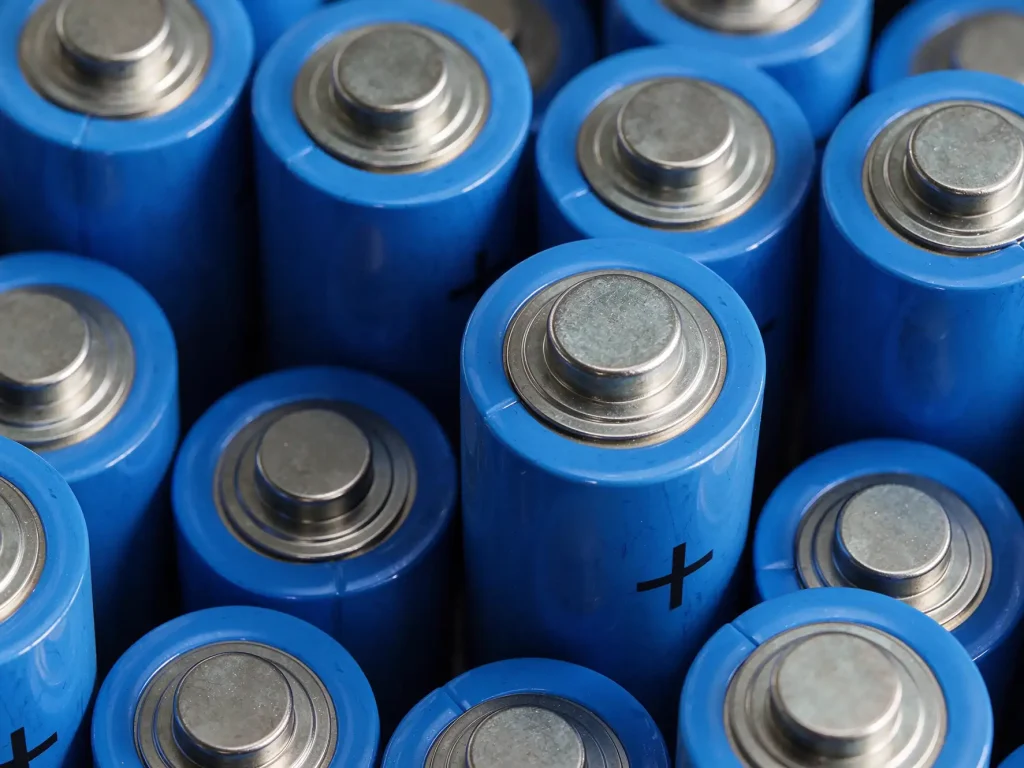
- Electrical architecture: 4S1P NMC 18650 cells, 3,000 mAh nominal, 14.4 V nominal, 16.8 V full charge.
- Discharge profile: continuous 5 A, peak 15 A for 2 s; designed to deliver 80+ 5-minute procedures per charge.
- BMS: 4-series medical-grade BMS IC with SMBus 1.1 communication, dual-layer protection, passive balancing at 100 mA, two NTC sensors, and 16-bit fuel-gauge coulomb counting.
- Mechanical: Glass-filled PA66 housing, detachable trigger release, IP54, gold-plated spring-pin connector, label with UN 38.3 and CE marking.
- Compliance package: ISO 13485 QMS, IEC 62133-2 test report, UN 38.3 T1–T8 report, EU 2023/1542 readiness documentation.
A pack like this is not built by picking a 4S holder and soldering wires. It is co-engineered with the instrument OEM through two DFM iterations, a thermal and vibration validation cycle, and a pilot run before clinical-trial units are released. That is the difference between a custom battery pack and a retail battery bundle.
Frequently Asked Questions
Q1: What is the typical lead time for an OEM custom battery pack for surgical instruments?
A: For a medical-grade custom pack, expect 8–12 weeks for the engineering build (EVT), 6–8 weeks for DVT, and 4–6 weeks for pilot mass production after design freeze. Initial prototype samples can often be delivered in 4–6 weeks if the BMS platform and cell form factor already exist.
Q2: Can standard off-the-shelf lithium cells be used in a surgical instrument battery pack?
A: Consumer-grade cells are not recommended. Surgical instruments require cells from medical-grade or industrial-grade lines with tight capacity/impedance tolerance, lot-level traceability, and a documented IEC 62133-2 qualification. A reputable OEM will specify cells from named manufacturers and record the cell lot on every pack.
Q3: What certifications should a surgical instrument battery pack supplier hold?
A: At minimum: ISO 13485 (medical QMS), ISO 9001, ISO 14001, and UN 38.3 transport certification. Test reports to IEC 62133-2, and a CB report are expected. CE/UKCA and EU 2023/1542 compliance documentation should be available for the EU market.
Q4: How does SMBus communication benefit surgical instrument battery design?
A: SMBus lets the surgical instrument host read real-time pack voltage, current, temperature, SOC, SOH, cycle count, and cell chemistry over a standardized two-wire interface. This enables accurate battery-fuel display, predictive end-of-life warnings, smart charger interoperability, and fault data logging for post-market surveillance — all of which strengthen the device regulatory file.
Q5: What is the difference between medical-grade and industrial-grade battery packs?
A: Medical-grade packs are built under an ISO 13485 QMS with full lot traceability, dual-layer protection, precision fuel gauging, fault logging, and a regulatory documentation package. Industrial-grade packs are built under ISO 9001 and are cheaper, but they lack the controlled change management, traceability, and safety redundancy that a surgical device technical file requires.
Q6: How does EU Battery Regulation 2023/1542 affect surgical instrument battery OEMs?
A: The regulation introduces phased requirements including carbon footprint declarations, performance and durability labels, battery removability and replaceability design, and a digital battery passport from 2027. Surgical instrument OEMs should ask their battery partner now for cell-level carbon data and passport-ready data structures, rather than waiting for the notified-body audit.
Conclusion
For surgical instrument manufacturers, the choice of an OEM rechargeable battery pack is an engineering and regulatory decision that shapes the safety, usability, and market access of the whole device. A custom battery pack built around NMC or LFP chemistry, a dual-layer medical-grade BMS with SMBus communication, and a full ISO 13485 / IEC 62133 / UN 38.3 / EU 2023/1542 compliance package is what separates a clinically reliable surgical tool from a commodity product.
At TEFOO, our medical battery engineering team has delivered custom rechargeable battery packs for powered surgical instruments and portable medical devices, combining intelligent BMS design, SMBus communication, and a fully controlled ISO 13485 production line. We support surgical instrument OEMs from DFM and DFMEA through pilot production and regulatory documentation — so your pack problem is solved before your device reaches the notified body.
If you are specifying an OEM rechargeable battery for a new surgical instrument platform, or qualifying a custom battery pack for powered surgical instruments, start the engineering conversation early: the battery architecture decision should be made alongside the instrument enclosure, not after it.
TEFOO Medical Battery | OEM & Custom Battery Pack Solutions for Powered Surgical Instruments