At a glance
A negative pressure wound therapy battery pack must do more than fit inside a portable pump. It has to support the device’s real operating profile, remain predictable as it ages, communicate usable state information, and meet the safety and transport requirements for its intended markets. The right pack is therefore selected from measured system loads and verified use conditions, not from nominal amp-hours alone.
Why the battery pack matters in NPWT
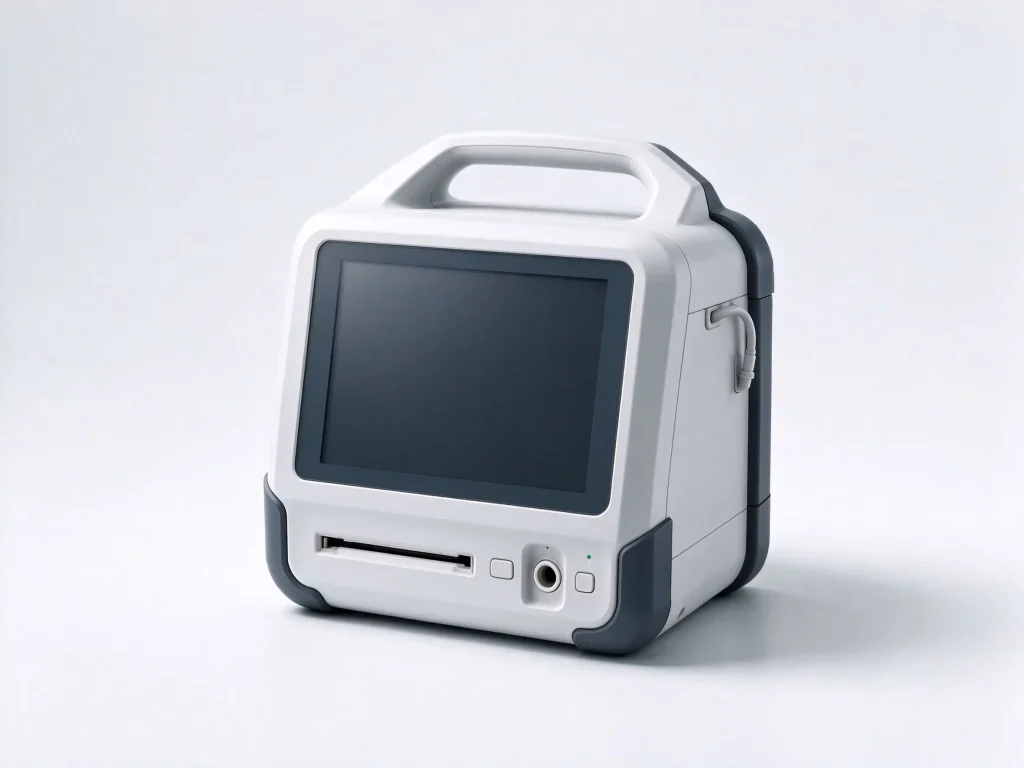
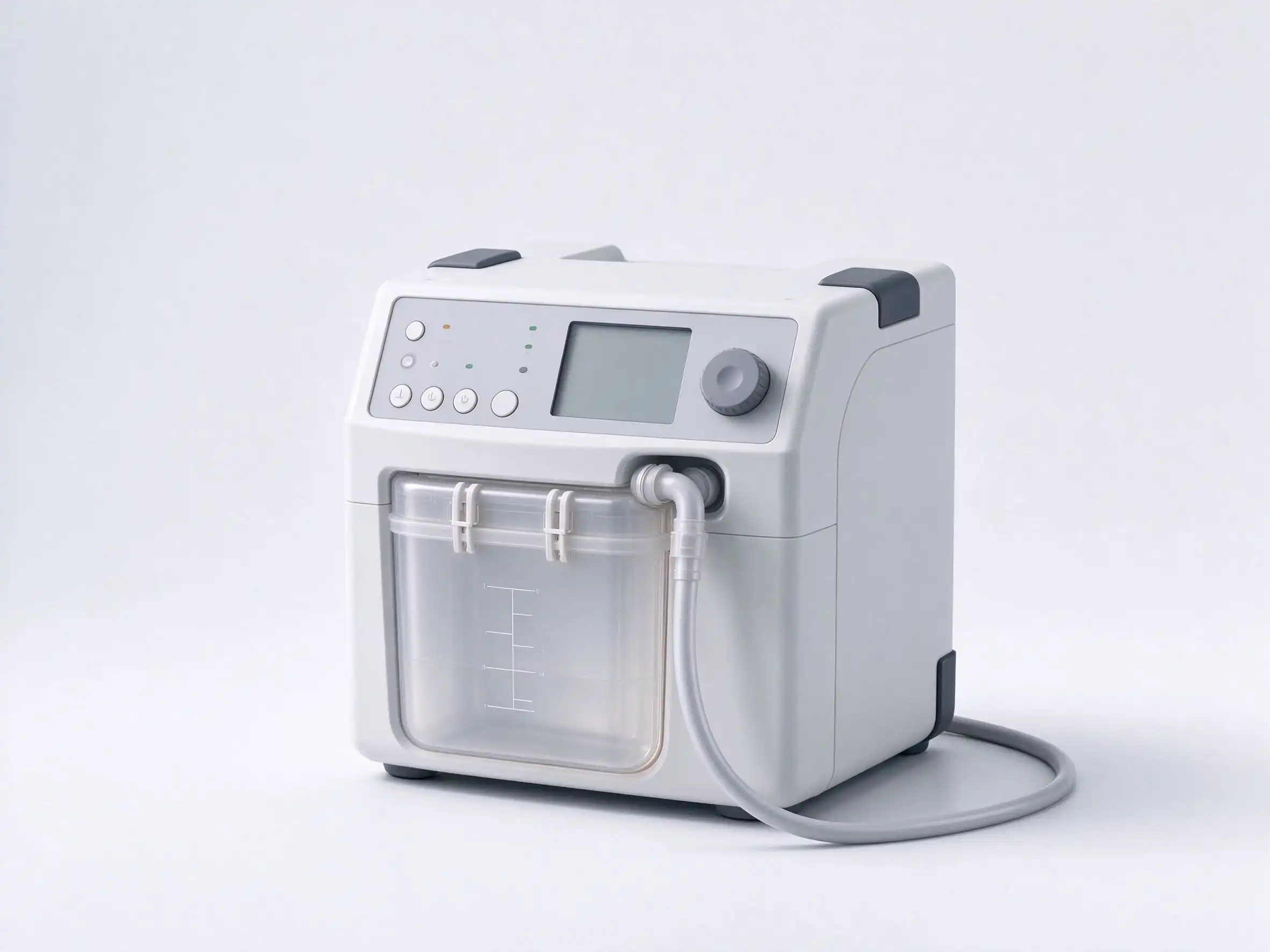
Negative pressure wound therapy (NPWT) uses a pump to create and maintain subatmospheric pressure at a wound site through a sealed dressing and fluid collection path. In a portable system, the battery is part of the therapy-delivery chain: a depleted, disconnected, or faulted pack can interrupt pump operation and trigger an alarm or other device response. Battery design must be coordinated with the pump, control electronics, enclosure, charger, alarms, and the instructions for use.
For an engineering team evaluating a negative pressure wound therapy battery pack, the central question is not simply “How many hours does it run?” It is “Can the complete system deliver its intended performance across realistic patient use, environmental conditions, and battery life, while making faults detectable and manageable?”
Start with the system load, not a catalog capacity
NPWT pumps do not draw a constant load. Current demand can change during pump start-up, pressure recovery after a leak, dressing checks, alarms, display use, wireless communication, and other device functions. A single average-current estimate can therefore understate the energy needed or miss a peak-current limitation.
Build a use profile with measured or otherwise justified operating states. Include the intended pressure settings and modes, expected pump duty cycle, alarm behavior, standby time, user interactions, and any communication functions. Then test the assembled device under representative conditions. At minimum, characterize:
- Average and peak current at the battery terminals, including pump start and recovery events.
- Runtime at beginning of life and at defined end-of-life capacity or resistance limits.
- Effects of temperature, storage, aging, and charge history within the device’s specified use conditions.
- Low-battery warning and shutdown behavior, including enough margin for the device to alert the user before loss of operation.
- Recharge time, charger behavior, and performance when the battery is partially charged.
A useful first-order estimate is energy demand = average system power × required operating time. Convert that estimate into pack capacity only after accounting for conversion losses, discharge limits, temperature, aging, reserve margin, and the battery management system’s cutoffs. Validate the result on the finished device; calculations are a sizing tool, not a substitute for testing.
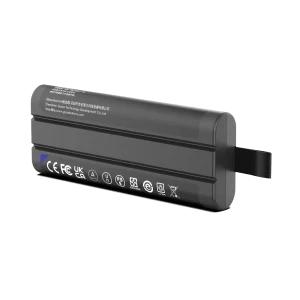
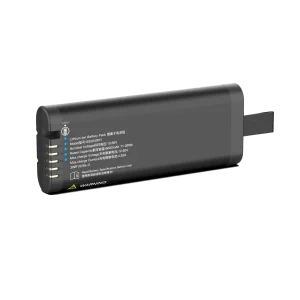
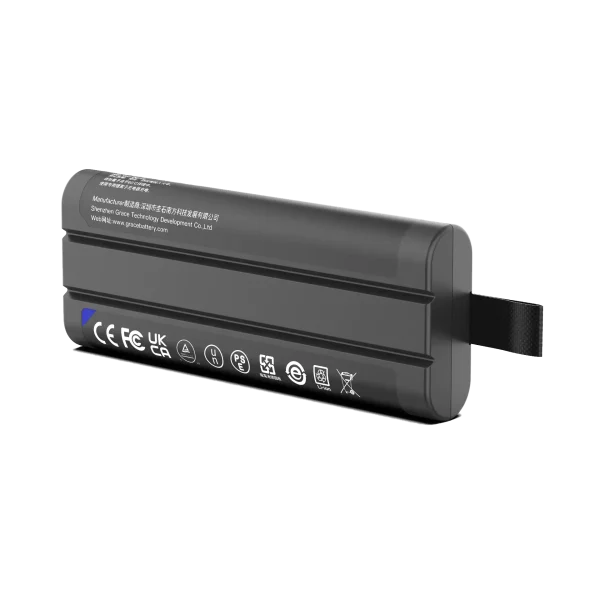
Chemistry and pack architecture
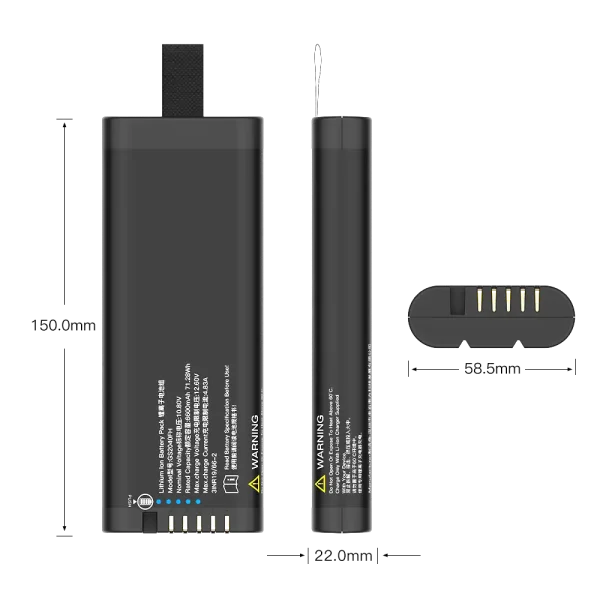
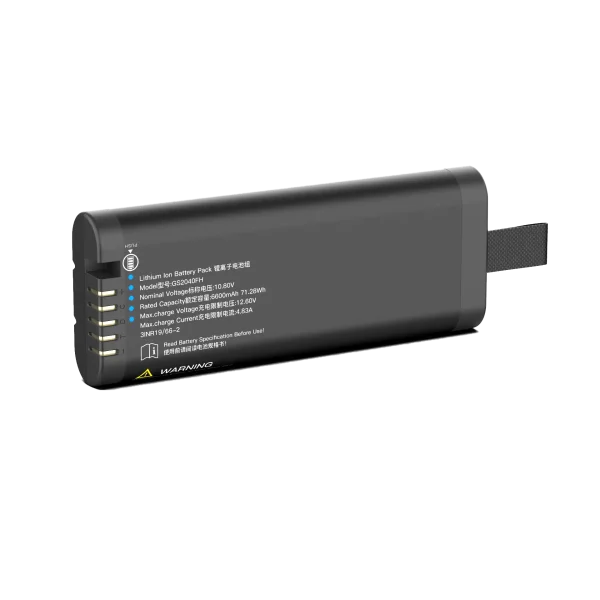
Rechargeable lithium-ion cells are common in portable medical equipment because they can provide useful energy in a compact package. Chemistry selection should consider voltage range, usable energy, pulse capability, cycle life, calendar aging, temperature limits, supply continuity, and the consequences of a cell fault. “Lithium-ion” describes a family of chemistries, not one interchangeable specification.
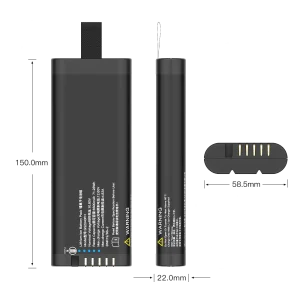
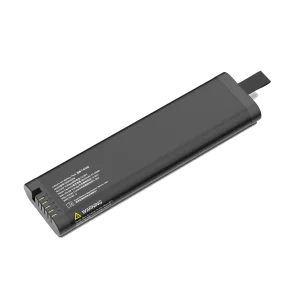
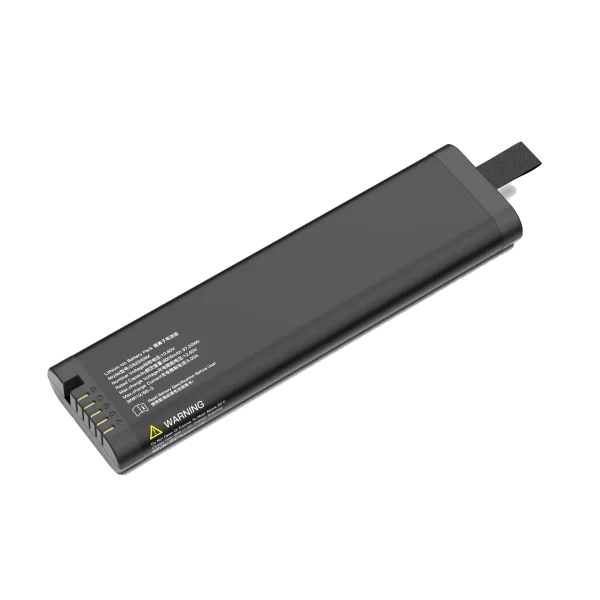
Cell count and series/parallel arrangement must match the pump electronics’ input range across the pack’s full charge and discharge range. The design should also address cell matching, interconnect resistance, mechanical restraint, insulation, short-circuit protection, and heat paths. A pack should be qualified as a complete assembly with its protection circuit, connector, enclosure, and charger; passing a cell-level test alone does not establish finished-pack suitability.
Protection, monitoring, and user-visible status
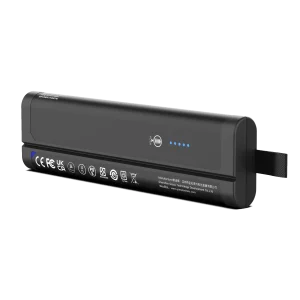
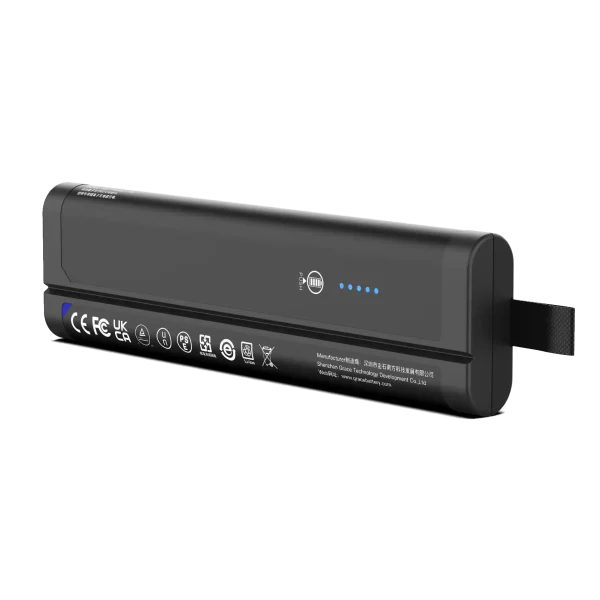
A battery management system (BMS) typically monitors conditions such as cell or pack voltage and temperature, and may provide overcurrent protection, balancing, state estimation, and fault reporting. The exact functions depend on the design. Protection thresholds must be coordinated with the pump’s operating envelope so that legitimate transient loads do not cause nuisance shutdowns while abnormal conditions remain controlled.
State of charge is an estimate, not a direct measurement of remaining therapy time. Voltage-based estimates can be particularly sensitive to load and recovery behavior. Validate the displayed battery level against representative use profiles, aging, and temperature. Define what happens when pack telemetry is missing, implausible, or out of range, and ensure the device communicates a clear and actionable status to the user.
Mechanical, electrical, and charging interfaces
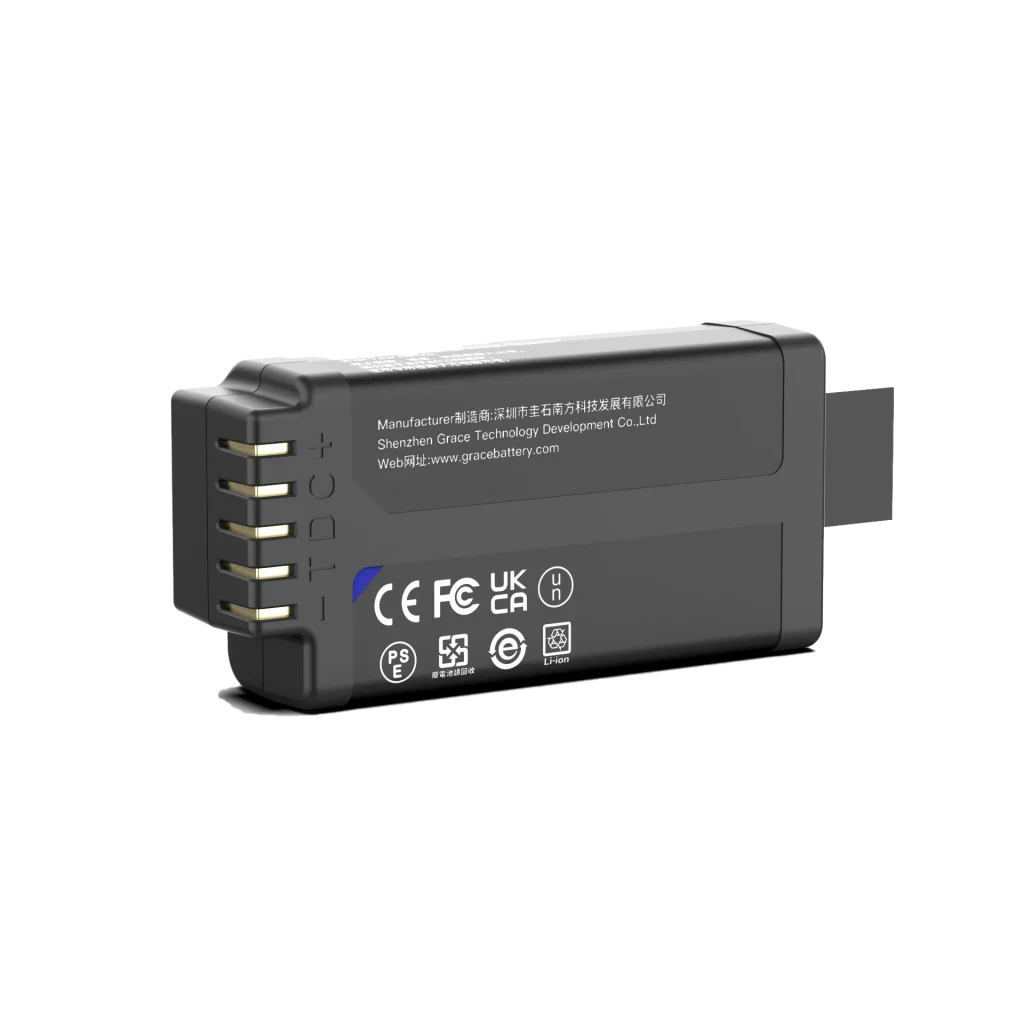
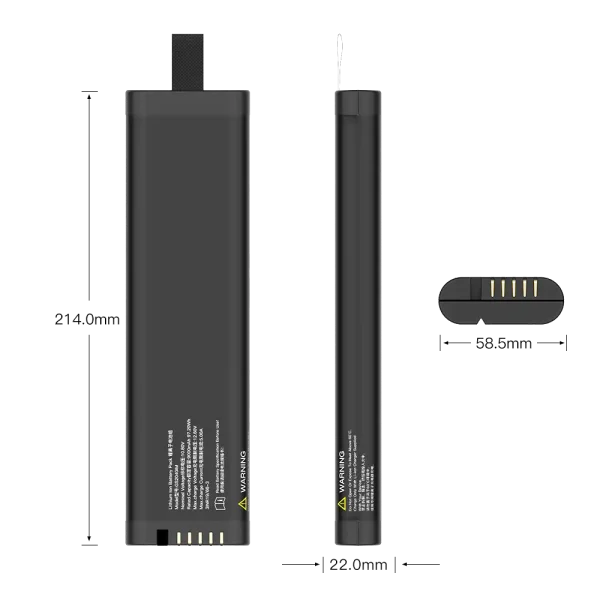
The pack must fit securely and connect reliably through normal handling, cleaning, transport, and foreseeable drops or vibration specified for the product. Key design checks include connector polarization, retention, contact resistance, sealing strategy, creepage and clearance where applicable, strain relief, serviceability, and protection against insertion errors. These details are system-specific and should be assessed against the device risk analysis and applicable standards.
Charging deserves equal attention. Confirm that the charger is compatible with the exact pack revision, controls charge voltage and current within the cell supplier’s limits, and responds appropriately to abnormal temperature or detected faults. The device should define whether operation while charging is allowed and verify that this condition does not create unacceptable thermal, electrical, or user-interface behavior.
Verification and regulatory planning
A robust verification plan links requirements to objective evidence. Typical activities include electrical performance and runtime testing, protection-circuit fault testing, temperature assessment, mechanical testing, charging tests, aging or capacity-retention evaluation, and system-level alarm and shutdown verification. Test samples, acceptance criteria, worst-case conditions, and configuration control should be defined before testing begins.
Regulatory applicability depends on the product, intended use, markets, and chosen conformity route. Relevant references may include IEC 62133-2 for portable sealed secondary lithium cells and batteries, the UN Manual of Tests and Criteria subsection 38.3 for lithium battery transport, and IEC 60601-1 for basic safety and essential performance of medical electrical equipment. These documents have different scopes: citing a standard does not mean a particular pack or device is compliant. Confirm current editions, national adoptions, exceptions, and the certification strategy with the organization’s regulatory and quality teams.
For medical devices, battery-related hazards should also be considered within the device risk-management process. Examples include loss of power, unexpected shutdown, overheating, charging with an incompatible accessory, incorrect state indication, and pack damage. Risk controls need verification and should be reflected in production controls and user information where appropriate.
A concise selection checklist
- Define required runtime by use scenario and verify it on the complete NPWT system.
- Specify minimum end-of-life capacity, peak-current capability, and operating temperature range.
- Review BMS protections, status communication, fault handling, and low-battery warning margin.
- Assess pack size, mass, retention, connector durability, ingress needs, and service model.
- Qualify the exact charger and charging behavior with the exact battery-pack configuration.
- Obtain traceable test reports, cell and pack specifications, change-control commitments, and transport documentation.
- Confirm standards and regulatory evidence for each intended market with qualified compliance personnel.
Frequently asked questions
How long should an NPWT battery pack last per charge?
There is no universal runtime. It depends on pump demand, operating mode, duty cycle, battery capacity, temperature, age, and device settings. The product requirement should define the intended use scenario and reserve margin, then be verified on the finished system.
Can I replace an NPWT battery pack with one that has the same voltage?
No. Voltage alone does not establish compatibility. Capacity, discharge capability, protection settings, connector and pinout, communication, physical fit, charger compatibility, and product approvals can all differ. Use only a pack approved for the specific device unless the manufacturer has validated an alternative.
Does UN 38.3 certification prove that a pack is safe for medical use?
No. UN 38.3 addresses transport testing for lithium batteries. It does not replace medical-device electrical safety, performance, risk management, or market-specific regulatory assessment.
When should a battery be replaced?
Follow the device manufacturer’s service instructions and replacement criteria. A pack may need replacement when its measured or estimated capacity no longer meets requirements, a fault is reported, physical damage is present, or the product reaches its specified service limit. Do not open or repair a sealed pack unless the manufacturer provides an approved procedure.
Engineering takeaway
The best negative pressure wound therapy battery pack is the one engineered around the device’s measured demand and verified use conditions, with clear fault handling and traceable compliance evidence. For product teams, that means treating the pack, charger, pump, alarms, and enclosure as one system from requirements through validation and production.
Technical references
- IEC 62133-2, Secondary cells and batteries containing alkaline or other non-acid electrolytes – Safety requirements for portable sealed secondary lithium cells, and for batteries made from them, for use in portable applications. https://webstore.iec.ch/en/publication/32662
- United Nations, Manual of Tests and Criteria, subsection 38.3, lithium metal and lithium ion batteries. https://unece.org/transport/dangerous-goods/rev7-files
- IEC 60601-1, Medical electrical equipment – Part 1: General requirements for basic safety and essential performance. https://webstore.iec.ch/en/publication/2606
- ISO 14971, Medical devices – Application of risk management to medical devices. https://www.iso.org/standard/72704.html