1. Introduction
For OEM teams developing wearable medical devices, the battery is one of the most safety-critical subsystems in the product. It must deliver predictable runtime, communicate reliable state-of-charge data, and tolerate daily skin contact, sweat, cleaning agents, and temperature swings, while supporting a controlled regulatory file. Choosing the right wearable medical device battery manufacturer for OEMs is therefore an engineering decision as much as a sourcing decision.
2. What Is a Wearable Medical Device Battery?
A wearable medical device battery is a rechargeable or primary lithium power source integrated into a patient-worn or clinician-carried medical device. It supplies sensing, processing, wireless transmission, and user-interface functions, and it is treated as part of the regulated medical device rather than as a consumer accessory.
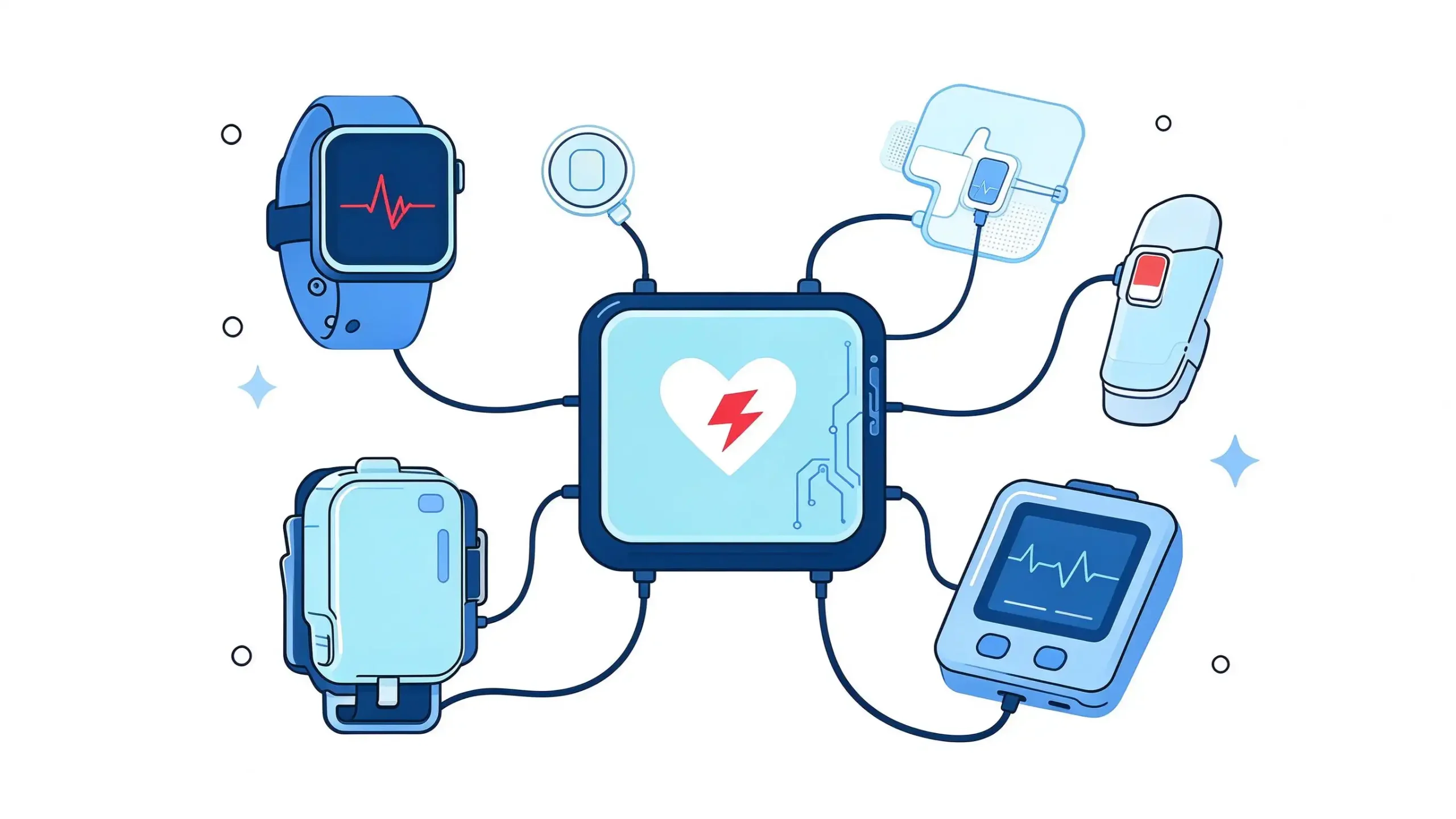
Common device categories include:
- Continuous glucose monitors (CGM) and other wearable diagnostic patches
- Ambulatory ECG, Holter, and cardiac rhythm monitoring patches
- Wearable vital-sign monitors for heart rate, SpO2, temperature, and respiratory rate
- Wearable insulin pumps and transdermal drug-delivery patches
- Hearing assistance devices and patient-worn remote telemetry monitors
Unlike batteries in consumer wearables, these packs are designed under controlled quality and change-management expectations aligned with medical device quality management systems. Design history, material traceability, supplier records, and change notifications must be available to support the device manufacturer’s regulatory submission and post-market surveillance.
3. Core Engineering Requirements for OEM Programs
3.1 Energy Density, Capacity, and Runtime
Wearable form factors leave little space, so capacity is selected from the device’s real duty cycle rather than from a generic capacity target. The engineering team defines peak current during measurement and wireless transmission, average current, sleep-mode current, pulses, and the target runtime between charges or replacements. Lithium-polymer pouch cells are common where a thin, contoured pack is required; primary lithium cells may be preferred for low-power patches where long shelf life and minimal self-discharge matter more than rechargeability.
3.2 Safety and Protection Architecture
A smart battery management system (BMS) continuously monitors cell voltage, current, and temperature and provides protection against overcharge, over-discharge, over-current, short circuit, and over-temperature. Depending on the device class, protection may include redundancy, fault isolation, a fuse or PTC device, and controlled cell selection with incoming inspection. The protection design should be considered against the host device’s single-fault and reasonably foreseeable misuse scenarios.
3.3 Host Communication and Fuel Gauging
For devices that report battery status to the user or clinician, the pack typically includes a fuel gauge and a digital interface such as SMBus, I2C, or SPI. The host device can read state of charge, voltage, temperature, cycle count, remaining capacity, and fault flags, and can raise low-battery and warning alerts. The protocol, register mapping, and charger compatibility must be agreed during the design phase so the battery firmware and host firmware interoperate correctly.
3.4 Mechanical, Ergonomic, and Environmental Design
The pack must be thin, light, and compatible with the device’s shape and wearing position. Enclosure design, potting or sealing, connector choice, strain relief, and reinforcement address sweat, moisture, cleaning agents, vibration, and drop. Ingress protection ratings are defined against the device’s intended use. Materials in contact with skin or adjacent to applied parts are assessed within the device’s own biocompatibility evaluation.
3.5 Cycle Life, Shelf Life, and Reliability
Cycle life and calendar life are matched to the device’s expected service life and replacement model. Low self-discharge, stable capacity over storage, and characterized failure modes are verified through validation under expected operating and storage temperature ranges, rather than assumed from cell datasheet values alone.
3.6 Thermal Design
Wearable devices combine heat generated during charging and discharging with body heat and ambient temperature. The pack’s operating temperature window, charging restrictions at low or high temperature, and thermal protection thresholds are defined in the requirements phase and verified in testing.
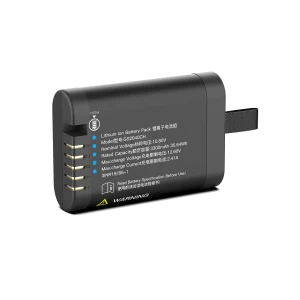
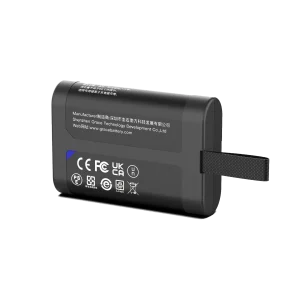
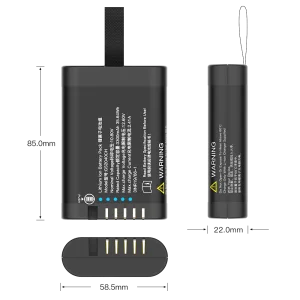
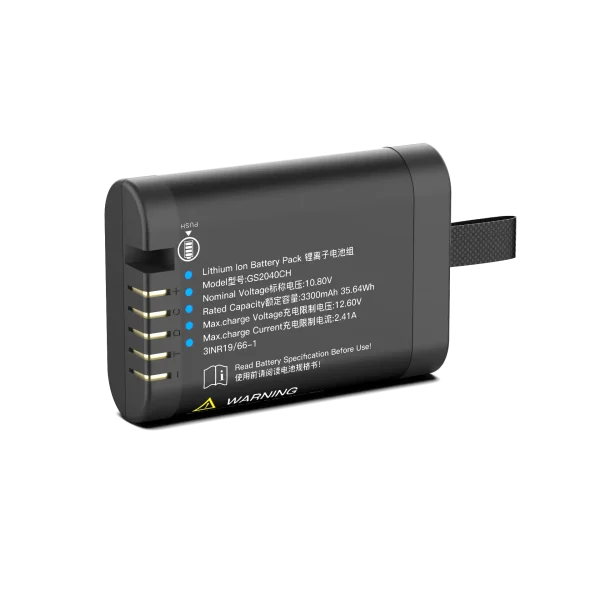
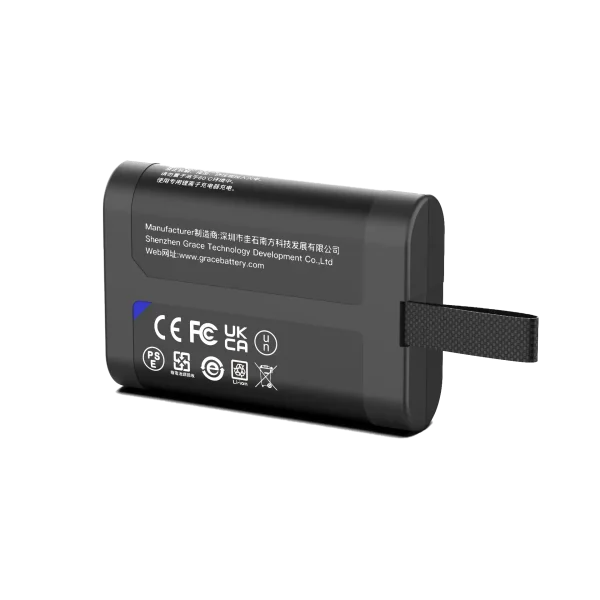
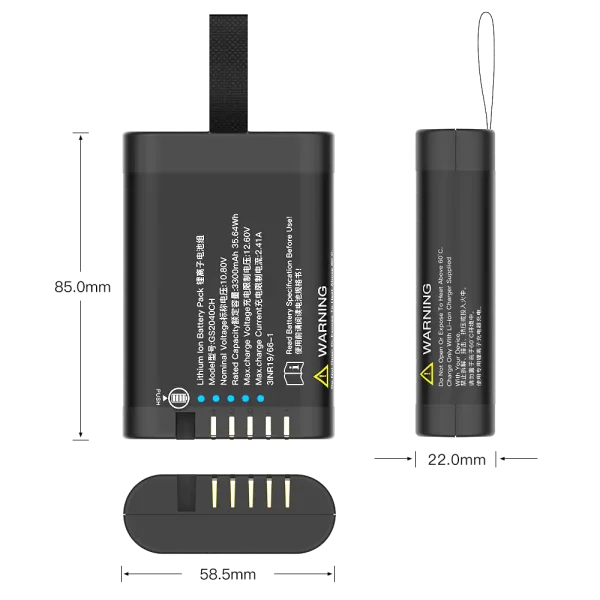
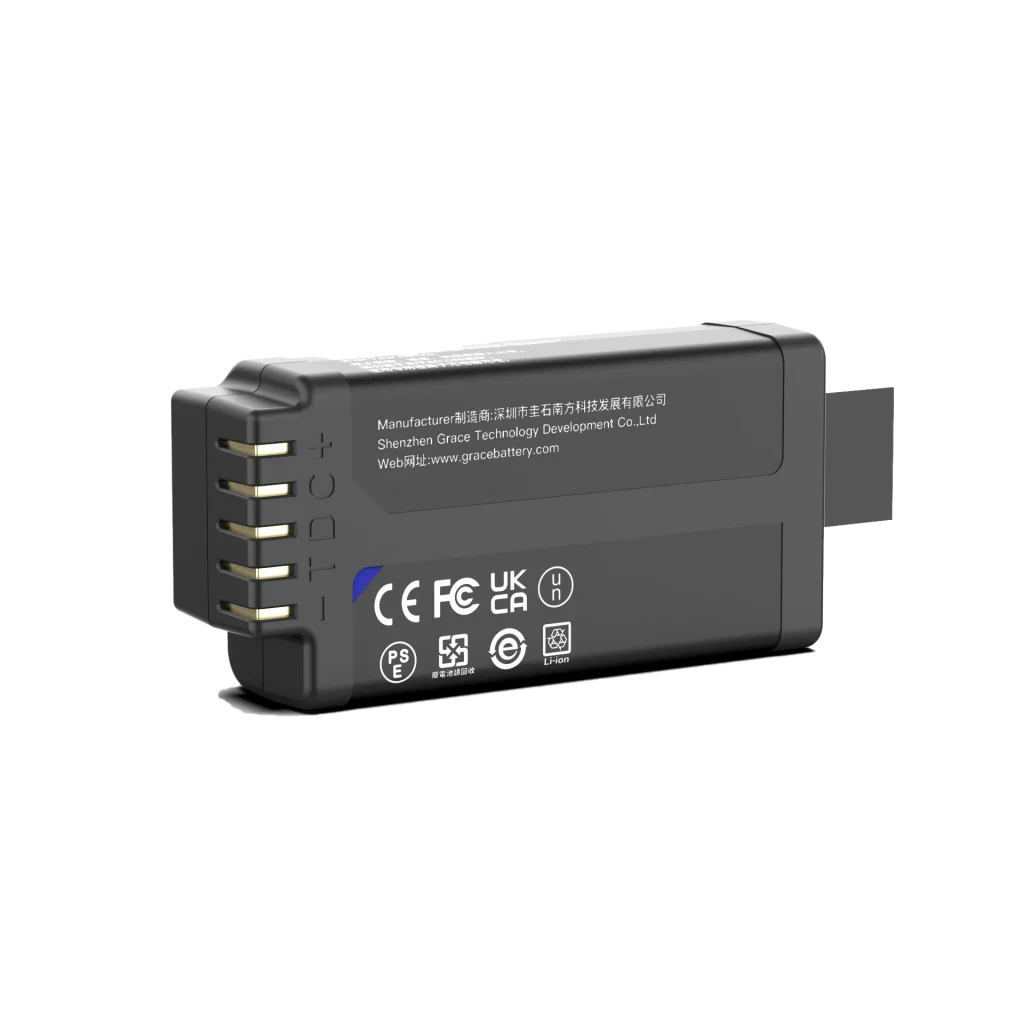
GS2040CH
10.8V/3450mAh/35.64Wh
4. Applicable Standards, Regulations, and Certifications
The evidence required depends on the device classification, destination market, chemistry, and whether the pack is rechargeable or primary. The standards and regulations below are typical reference points for wearable medical OEM programs; they should be read as common compliance evidence rather than as a universal certification checklist.
| Standard / Regulation | What It Covers | Why It Matters for Wearable Medical OEMs | Source |
| ISO 13485:2016 | Quality management system requirements specific to medical devices. | Demonstrates controlled design, traceability, change control, and supplier quality expected in a medical device quality file. | ISO |
| IEC 60601-1:2018 | General requirements for basic safety and essential performance of medical electrical equipment. | The battery subsystem must support the host device’s basic safety and essential performance, including fault and single-fault conditions. | IEC |
| IEC 62133-2:2017 | Safety requirements for portable sealed secondary lithium cells and batteries. | Common safety test evidence for rechargeable portable lithium packs under intended use and reasonably foreseeable misuse. | IEC |
| UL 1642 | Safety standard for primary and secondary lithium batteries. | Independent cell and battery safety evidence often requested by device integrators and certification bodies. | UL Standards |
| UN 38.3 (UN Manual of Tests and Criteria, Section 38.3) | Transport tests T.1–T.8 for lithium cells and batteries. | Required evidence before lithium cells and batteries can be transported by air, sea, and road. | UNECE |
| Regulation (EU) 2023/1542 | EU rules covering the full life cycle of batteries: sustainability, safety, labeling, documentation, and recycling. | Governs placing battery products on the EU market; packaging, marking, and documentation duties apply to the OEM program. | EUR-Lex |
Standard versions are periodically revised, and device-specific obligations may differ. Confirm the current applicable requirements with the device’s regulatory team, notified body, or certification partner before freezing the design.
5. The OEM Battery Development Process
A structured OEM program typically proceeds through the following phases:
- Requirements capture: mechanical envelope and drawings, electrical load profile, target runtime, operating and storage temperatures, communication protocol, target markets, and intended certification route.
- Cell chemistry and selection: choose rechargeable lithium-ion, lithium-polymer, or primary lithium cells based on duty cycle, form factor, and service life; qualify the chosen cell with the pack design.
- Pack architecture: define the BMS, fuel gauge, digital communication, protection circuitry, interconnect, connectors, and enclosure.
- Prototypes and engineering validation (EVT): verify function against the host device and charger, including communication and protection behavior.
- Design validation (DVT): run environmental, mechanical, electrical, safety, and reliability tests on representative samples.
- Certification and regulatory support: assemble test reports, certificates, and technical documentation that feed the device manufacturer’s regulatory file and risk management record.
- Mass production: controlled manufacturing, incoming inspection, lot-level traceability, change control, and ongoing quality surveillance after launch.
6. Off-the-Shelf Pack vs Custom OEM Battery
| Dimension | Off-the-Shelf Standard Pack | Custom OEM Battery Pack |
| Form and fit | Limited to existing mechanical dimensions and lead layouts. | Designed to the device’s enclosure, wearing position, and connector layout. |
| Development time | Shortest route; integration work mainly on the host side. | Staged development: requirements, prototypes, validation, and production readiness. |
| Non-recurring engineering | Low or none; NRE is usually limited to integration. | NRE covers design, firmware, tooling, and validation; amortized over program volume. |
| Communication and firmware | Fixed fuel-gauge and interface capability. | BMS, fuel gauge, protocol, and alerts matched to the host firmware and charger. |
| Compliance documentation | Supplier’s existing test reports and certificates; device team must assess fit. | Pack-level validation and documentation aligned to the medical device’s regulatory file. |
| Intellectual property | Design remains with the pack supplier. | NDA and IP arrangements defined for the joint program. |
| Best fit | Low-risk, high-volume consumer-style devices with simple power needs. | Wearable medical devices with constrained geometry, regulated documentation, and integrated power management. |
7. How to Evaluate and Select a Manufacturer
When comparing suppliers, evaluate the following criteria across the long-term program:
- Medical-device program experience and reference projects, where shareable under NDA
- Quality system alignment with medical device expectations, documentation, and traceability
- In-house BMS, firmware, fuel-gauge, and digital interface integration capability
- Test capabilities and qualified partner labs, with clearly written validation reports
- Supply continuity: cell allocation, qualified alternate cells, and long-term supply commitments
- NDA and IP protection, plus a formal change-notification and change-control process
- Engineering responsiveness and communication support across time zones
- Regulatory transparency: real certificates and test reports, with no overstated compliance claims
8. About TEFOO
TEFOO designs and manufactures custom smart lithium battery packs for medical and industrial equipment, including OEM and ODM programs with intelligent BMS, fuel gauging, and digital communication interfaces such as SMBus and I2C.
For a specific wearable medical program, available certifications, test reports, and cell selections are confirmed during the technical review and documented in the program’s quality and regulatory file. The description above is a general capability overview; it does not imply that any particular certification has been issued for an unspecified product.
9. Frequently Asked Questions
Q: What does an OEM wearable medical device battery manufacturer do?
A: It designs, engineers, and manufactures custom rechargeable or primary lithium packs to the OEM device’s mechanical, electrical, communication, and regulatory requirements—from cell selection and BMS/firmware integration through validation, certification support, and traceable production.
Q: Which battery chemistry is used in wearable medical devices?
A: Rechargeable lithium-ion and lithium-polymer pouch cells are common for devices charged daily or weekly; primary lithium cells are used where long shelf life, low self-discharge, and no user charging are priorities. The chemistry is chosen from the duty cycle, runtime target, form factor, and service-life requirements.
Q: How long should the battery last between charges?
A: It depends on the duty cycle. Continuous-monitoring devices may run from one to several days per charge; low-power patches can last weeks or months on a primary cell. Runtime should be specified in the requirements phase and verified under realistic load profiles rather than estimated from datasheet capacity alone.
Q: Which certifications are required for the US and EU markets?
A: There is no single battery certificate that covers every medical device. Typical evidence includes cell and battery safety standards such as UL 1642 and IEC 62133-2, UN 38.3 for transport, and support for the host device’s medical electrical compliance; products placed on the EU market also follow Regulation (EU) 2023/1542. Exact obligations depend on device classification and destination market, and should be confirmed with regulatory counsel or the applicable notified body.
Q: Can the battery report state of charge to my device?
A: Yes, when the pack includes a fuel gauge and BMS with a digital interface such as SMBus, I2C, or SPI. The host can read state of charge, voltage, temperature, cycle count, and fault flags. The protocol and register mapping must be agreed in the design phase.
Q: How long does a custom OEM battery program take?
A: The program runs through requirements, cell selection, architecture, prototypes, design validation, and production readiness. Timeline varies with pack complexity, number of variants, and the certification route. An experienced supplier provides a staged plan after the technical review.
Q: What should I prepare when requesting a custom battery quote?
A: Provide the mechanical envelope and drawings, electrical load profile (peak and average current, pulses), target runtime, operating and storage temperature, communication protocol, target markets and applicable certifications, expected volume and service life, and charger and host-device details.
10. Conclusion
Selecting a wearable medical device battery manufacturer for OEMs means matching engineering capability, safety culture, and regulatory documentation to the device’s clinical and commercial requirements. Suppliers should be evaluated on validated design practice, transparent standards evidence, firmware and integration depth, and long-term program support—not on unit price alone. A well-run OEM program gives the device manufacturer a predictable power subsystem, defensible compliance evidence, and a stable supply chain through the product’s market life.
References
[1] ISO 13485:2016, Medical devices — Quality management systems — Requirements for regulatory purposes, ISO. https://www.iso.org/standard/59752.html
[2] IEC, Medical devices: Safety and performance (IEC 60601 standard series). https://iec.ch/system/files/2024-05/2024_iec_medical-devices_a4_en_lr.pdf
[3] IEC 62133-2:2017, Secondary cells and batteries containing alkaline or other non-acid electrolytes — Part 2: Lithium systems, IEC Webstore. https://webstore.iec.ch/en/publication/32662
[4] UL 1642, Standard for Lithium Batteries, UL Standards & Engagement. https://www.shopulstandards.com/ProductDetail.aspx?UniqueKey=37777
[5] UNECE, Definition of lithium battery in Section 38.3 of the UN Manual of Tests and Criteria (UN 38.3). https://www.unece.org/sites/default/files/2025-06/UN-SCETDG-66-INF53e.pdf
[6] Regulation (EU) 2023/1542 of the European Parliament and of the Council concerning batteries and waste batteries, EUR-Lex. https://eur-lex.europa.eu/legal-content/EN/TXT/HTML/?uri=CELEX:32023R1542
Author and Conflict-of-Interest Disclosure
Author: Senior Battery R&D Engineer, TEFOO.
Conflict of interest: TEFOO is a designer and manufacturer of custom lithium battery packs for medical and industrial applications, and the author’s company therefore has a commercial interest in OEM battery programs. This article provides general engineering and compliance information only; it is not legal, regulatory, or certification advice. Compliance requirements, standard versions, and certificate status should be verified with the applicable regulators, notified bodies, and the supplier’s official documentation before program commitment.