Battery engineering guide | Written from a lithium battery R&D perspective
A 7.2V 2S lithium-ion battery pack is a two-cell-series assembly designed around the equipment it powers. The right supplier does more than join cells: it confirms the required voltage window, current, runtime, enclosure, charging method, protection, and applicable compliance evidence before freezing a design. This guide explains what 2S means, which details to put in an RFQ, and how to evaluate a customized lithium battery manufacturer without relying on headline capacity alone.
What does 7.2V 2S mean?
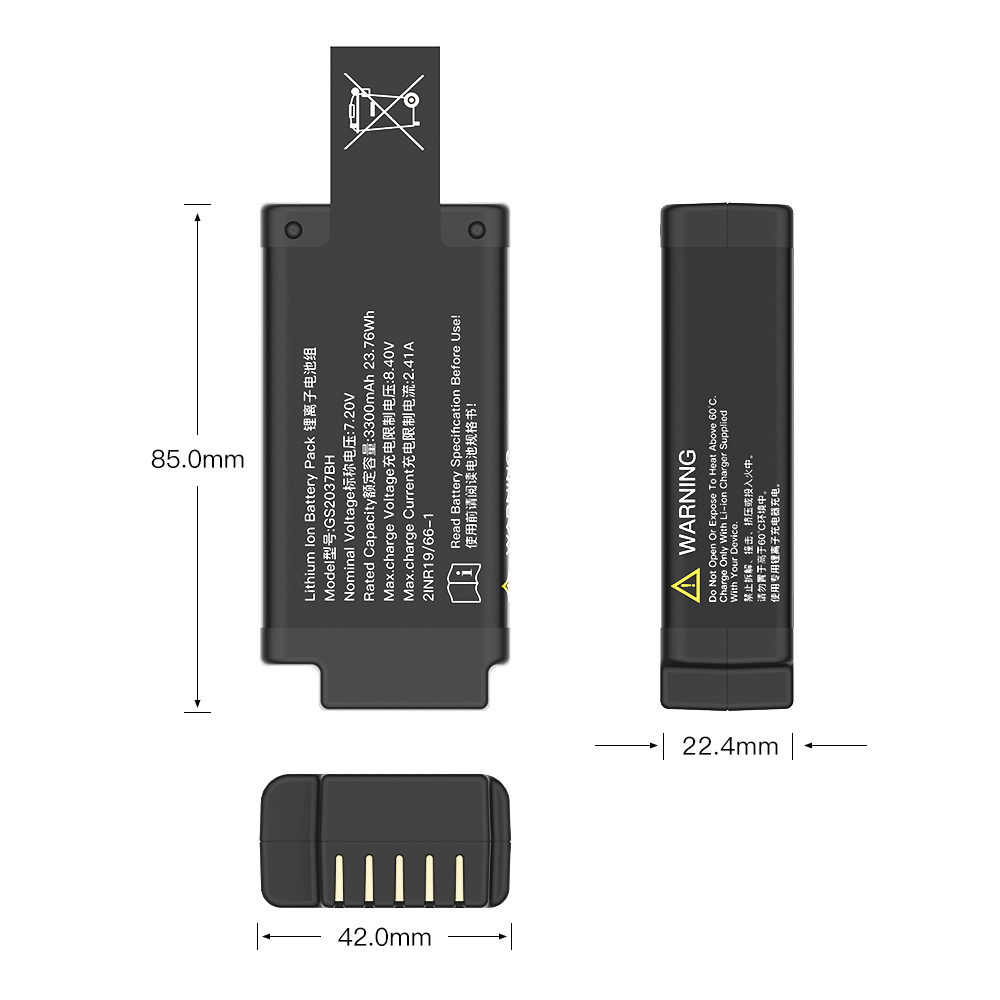
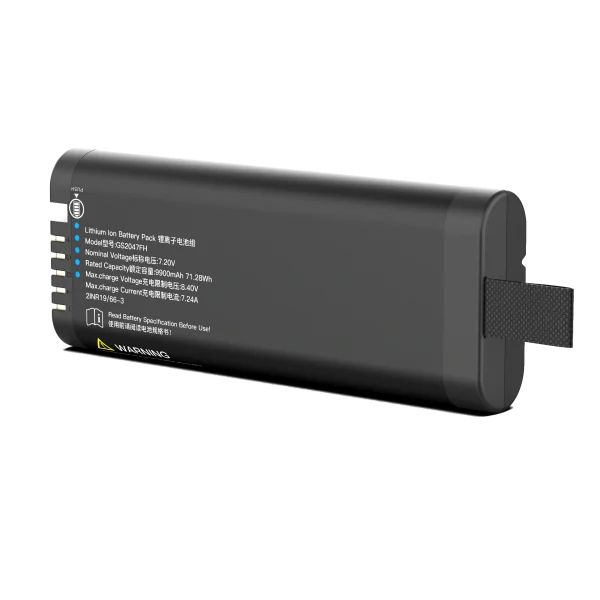
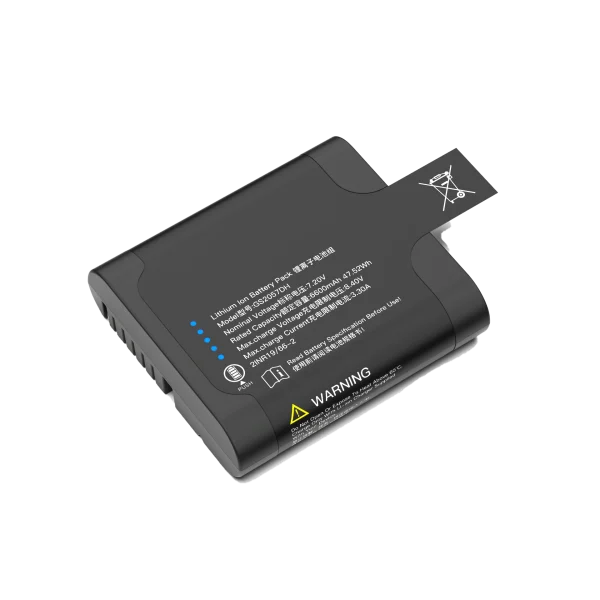
“2S” means two cells or cell groups are connected in series. Series connection adds voltage while the ampere-hour capacity remains that of one parallel string. A 2S pack built with cells rated at 3.6V nominal is commonly described as 7.2V nominal; cells rated at 3.7V nominal are commonly described as 7.4V. The label therefore needs to be checked against the selected cell specification, not treated as a universal chemistry value.
For a conventional lithium-ion design that charges to 4.2V per cell, a 2S pack reaches 8.4V at full charge. The equipment must tolerate the full charge voltage as well as the lower voltage near the system cutoff. Other lithium-ion chemistries may use different voltage limits, so the cell maker’s charge and discharge specifications govern. A supplier should state nominal voltage, charge limit, discharge cutoff, and tolerances together.
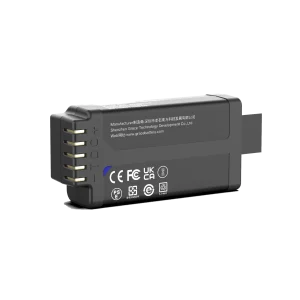
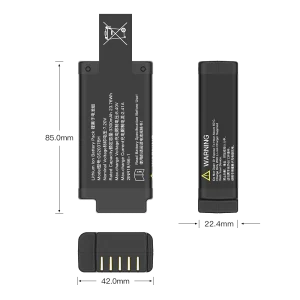
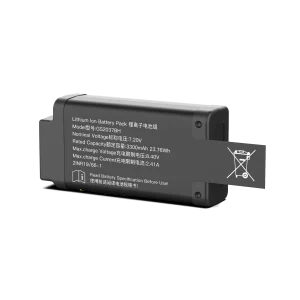
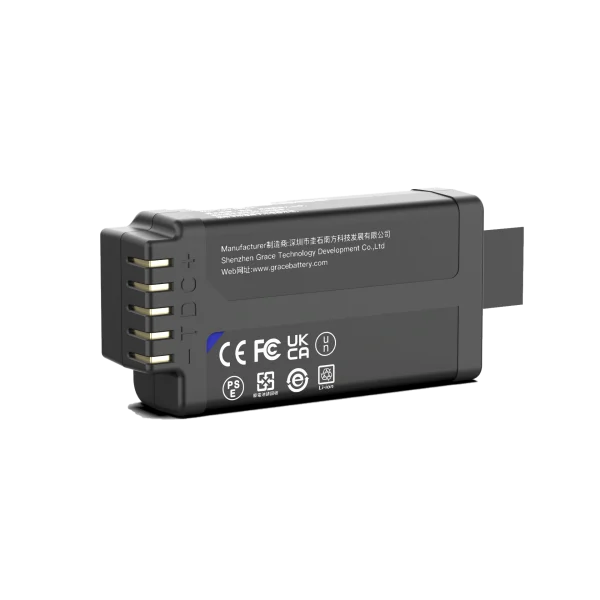
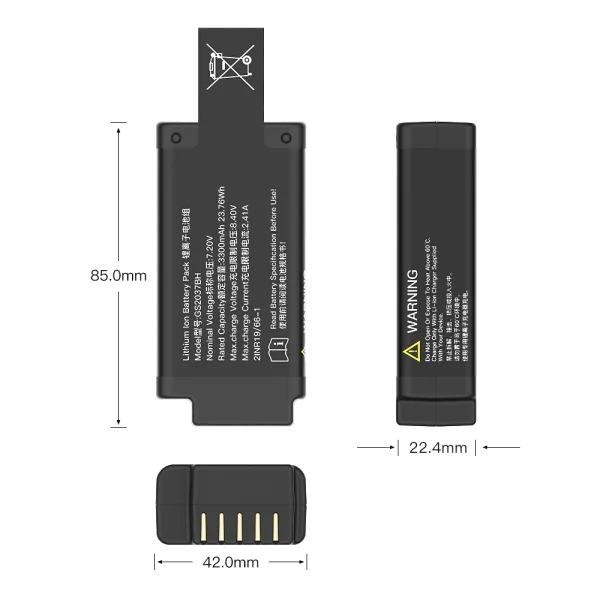
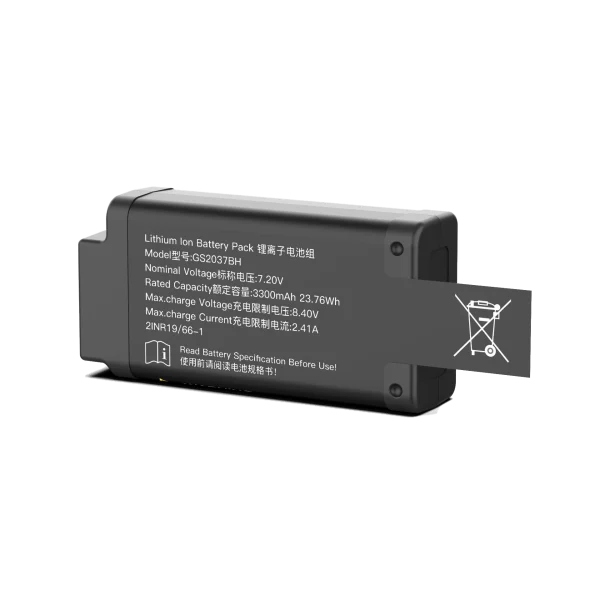
2S pack values to confirm
| Design item | What to confirm |
| Nominal voltage | Cell nominal voltage multiplied by two in series; confirm the equipment operating window. |
| Full-charge voltage | Per-cell charge limit multiplied by two; 8.4V applies only to a 4.2V-per-cell design. |
| Capacity | Ah remains the capacity of the series string. Runtime depends on usable energy, load profile, and system efficiency. |
| Current | Continuous and peak discharge current, duration, repetition, and cutoff conditions. |
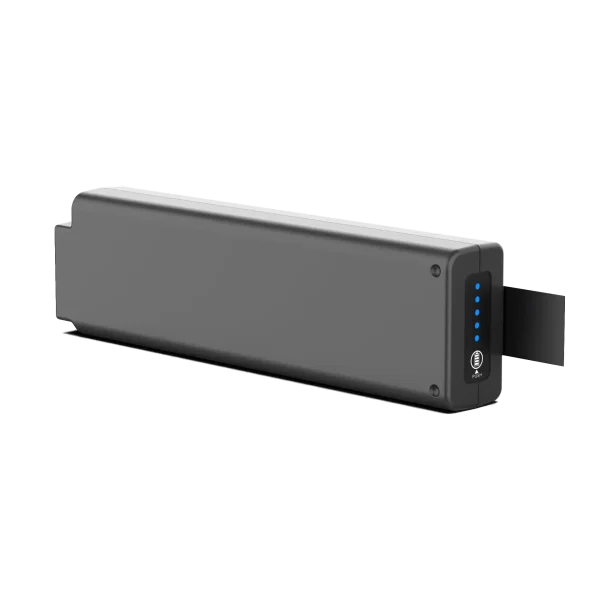
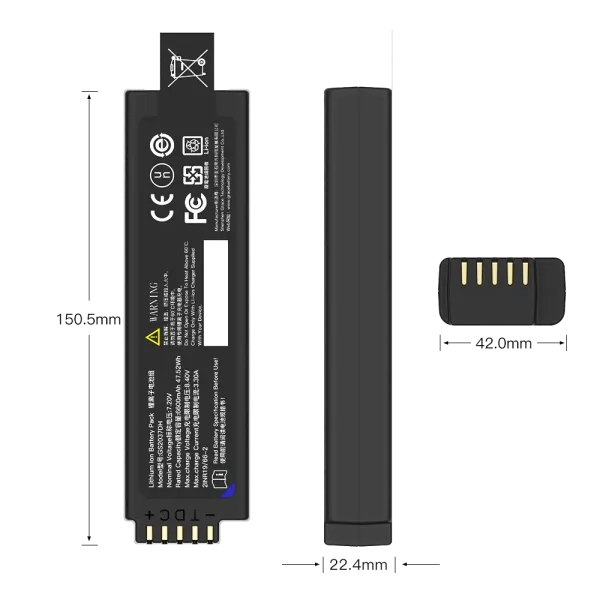
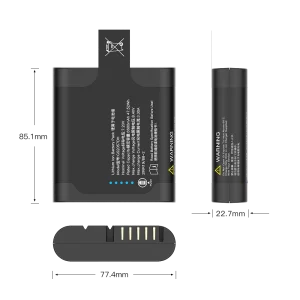
| Pack interface | Connector, polarity, wire gauge, communication pins, mounting, dimensions, and strain relief. |
Start with the load and operating conditions
Before requesting a quote, describe how the device behaves in the field. A motor, radio transmitter, camera, medical accessory, and backup unit can all have very different current peaks even when their average power looks similar. Share the normal and peak current, peak duration, duty cycle, minimum acceptable device voltage, expected runtime, ambient temperature range, and whether the battery can be charged while the product is operating.
Runtime estimates should use usable energy rather than multiplying nominal voltage by the label capacity and assuming every watt-hour is available. Temperature, discharge rate, cell aging, cutoff voltage, conversion losses, and the device’s load profile all affect delivered runtime. Ask the supplier to state the test conditions behind any capacity or runtime figure and whether it represents a typical value or a guaranteed minimum.
What a qualified supplier should engineer
Cell selection and pack architecture
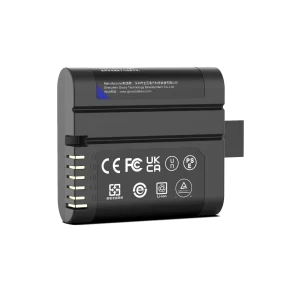
A capable 7.2V 2S lithium ion battery pack supplier should explain why a proposed cell fits the application’s energy, power, life, size, and temperature requirements. The pack drawing should identify the cell model or controlled cell specification, series/parallel configuration, insulation, bus connections, and mechanical restraint. Substituting a cell can change current capability, dimensions, thermal behavior, and certification status; changes need review and documented approval.
Protection and charging compatibility
The protection circuit should be matched to the cell limits and the product’s load. Discuss overcharge, over-discharge, overcurrent, and short-circuit protection, plus temperature sensing where the application or cell specification requires it. Protection is not a substitute for a compatible charger. The charger profile, charge current, connector polarity, pack wiring, and protection behavior must be designed as one system and verified together.
Mechanical, electrical, and environmental integration
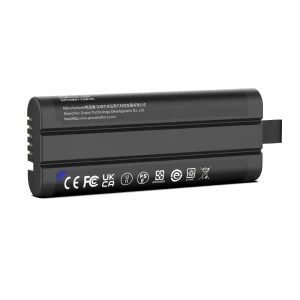
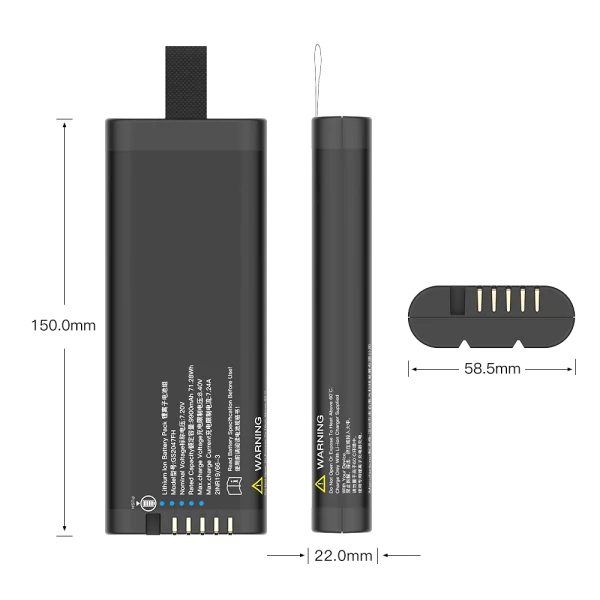
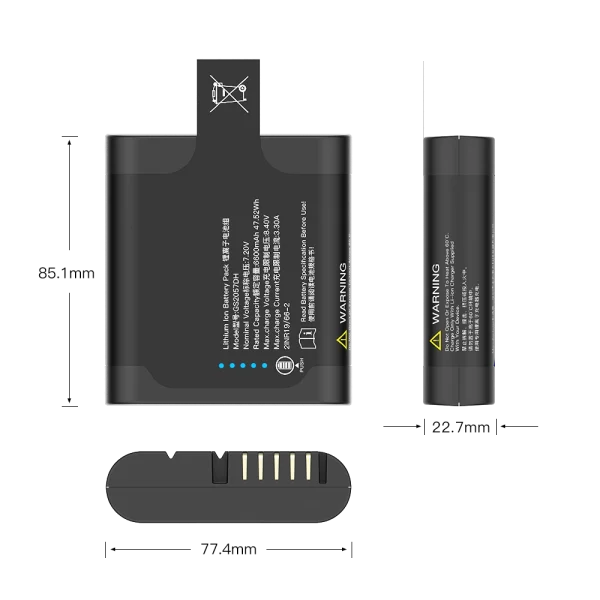
Custom work often depends on details that are easy to miss in a capacity-only RFQ: the envelope and keep-out zones, cable exit direction, connector mating part, retention method, vibration, ingress exposure, service access, labeling, and production test points. Provide a 3D model or dimensioned drawing when available. State whether the pack is used indoors or outdoors and whether it faces shock, vibration, humidity, dust, or temperature extremes.
How to compare a customized lithium battery manufacturer
A customized lithium battery manufacturer should be able to turn requirements into controlled design outputs and repeatable production checks. During supplier evaluation, request evidence that maps to your specific pack rather than a generic capability presentation:
- A requirement review that identifies open questions and confirms voltage, current, capacity, temperature, lifetime, dimensions, and interfaces.
- A pack specification and drawing with revision control, cell identity, protection behavior, charger assumptions, and acceptance criteria.
- A validation plan covering electrical performance, protection operation, temperature behavior, mechanical fit, and any application-specific tests.
- Production controls for cell matching, polarity, welding or interconnection, insulation, traceability, end-of-line testing, and change management.
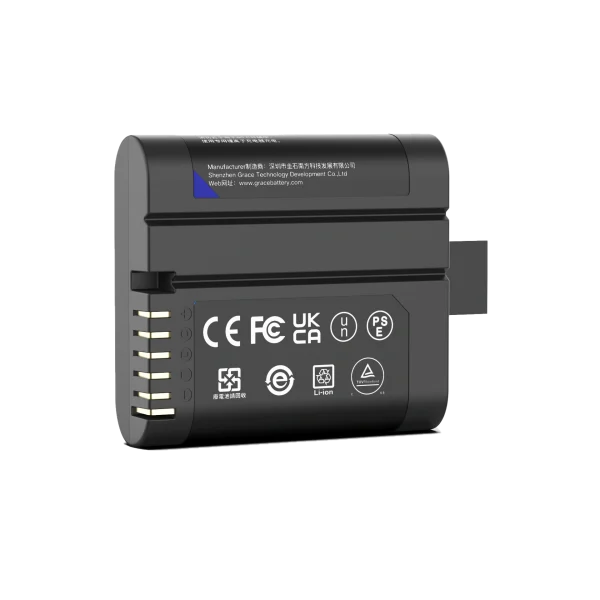
- A clear list of certificates, test reports, transport documents, and market-specific compliance evidence that is available for the exact design and cell configuration.
Ask how engineering changes are approved and how production lots are identified. For regulated or safety-sensitive products, establish document ownership, sampling and acceptance rules, failure escalation, and the process for notifying you before a material, cell, firmware, or manufacturing-process change.
Validation and compliance are design-specific
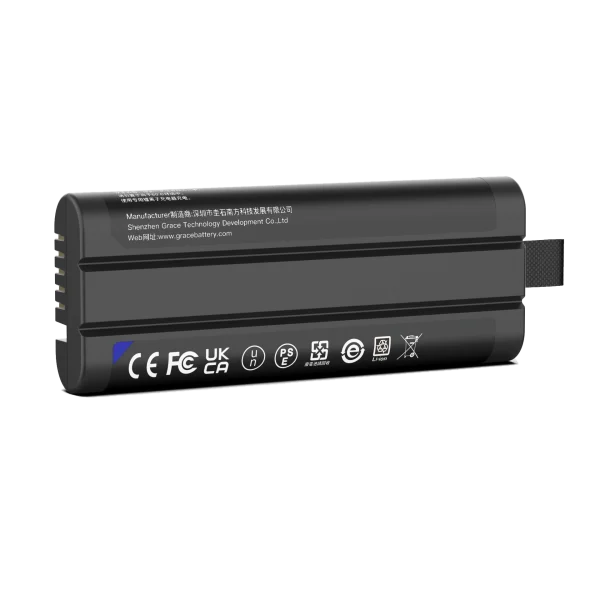
Battery qualification is not a single generic badge. The required evidence depends on the end product, destination market, battery construction, and transport mode. UN Manual of Tests and Criteria, subsection 38.3, addresses lithium battery transport testing; request the applicable test summary and confirm that it covers the shipped battery design. IEC 62133-2 is a safety standard for portable sealed secondary lithium cells and batteries. IEC 62619 may be relevant to secondary lithium cells and batteries used in industrial applications. Applicability and the current edition should be confirmed with the responsible compliance specialist or test laboratory for the actual product.
A report for a cell is not automatically evidence for every finished pack, and a report for one configuration may not cover later substitutions. Before production release, agree which tests are required, who owns them, which design revision they cover, and what records must accompany shipments. Do not infer certification from a supplier’s general statement that it makes compliant batteries.
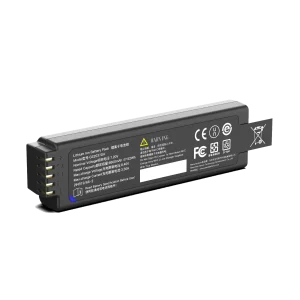
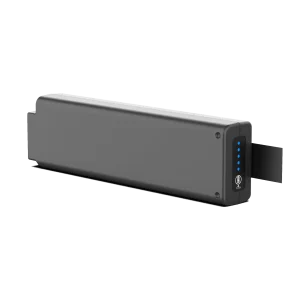
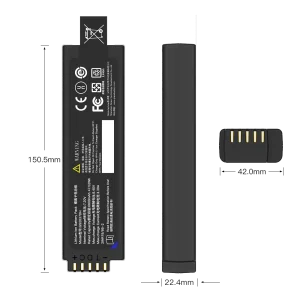
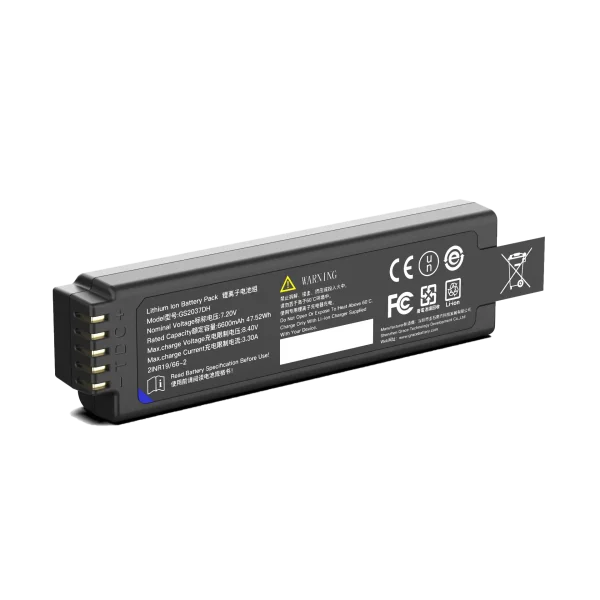
RFQ checklist for a 7.2V 2S pack
- Application and equipment model, including the minimum and maximum input voltage.
- Target capacity and runtime, with the load profile or measured current data.
- Continuous and peak current, peak duration, cycle frequency, and cutoff behavior.
- Charging source, charger model or charge profile, maximum charge current, and in-use charging needs.
- Maximum dimensions, 3D/dimensional drawing, connector part number, cable length, and polarity.
- Operating, charging, and storage temperatures; mechanical and environmental exposure.
- Expected service life, cycle or calendar-life target, annual volume, and target markets.
- Required documents, test evidence, labeling, traceability, packaging, and change-control expectations.
Frequently asked questions
Is a 7.2V 2S battery the same as a 7.4V 2S battery?
Not always. The nominal label commonly reflects whether each selected cell is specified at 3.6V or 3.7V. Confirm the exact cell data sheet and the full operating voltage range before connecting the pack to equipment.
Does connecting two cells in series double capacity?
No. Series connection adds voltage; the Ah capacity remains that of one series string. Parallel cell groups add capacity, but a 2S designation alone does not state whether parallel groups are present.
Can I use any 8.4V charger with a 2S lithium-ion pack?
No. The charger must match the cell chemistry, charge termination method, current limit, connector polarity, and pack protection design. The equipment’s approved charger or the pack supplier’s documented charging specification should be followed.
What information speeds up a custom battery quotation?
The most useful starting package is a dimensioned drawing, voltage and current limits, load profile, charger details, operating conditions, target runtime, connector information, annual volume, and intended sales markets. A supplier can then identify unresolved constraints before proposing cells or tooling.
Conclusion
Choosing a 7.2V 2S lithium-ion pack starts with the device’s real voltage and load requirements, then proceeds through cell selection, protection, charging, mechanical integration, validation, and controlled production. A supplier that documents those decisions can help reduce avoidable redesign and qualification delays. Use the RFQ checklist to compare proposals on engineering fit and design-specific evidence, not nominal capacity alone.
References
United Nations Economic Commission for Europe, Manual of Tests and Criteria, subsection 38.3, lithium batteries. Confirm the currently applicable edition and transport requirements.
IEC 62133-2, Safety requirements for portable sealed secondary lithium cells, and for batteries made from them, for use in portable applications. Confirm the applicable edition and product scope.
IEC 62619, Safety requirements for secondary lithium cells and batteries for use in industrial applications. Confirm applicability and current edition for the end use.