The short answer
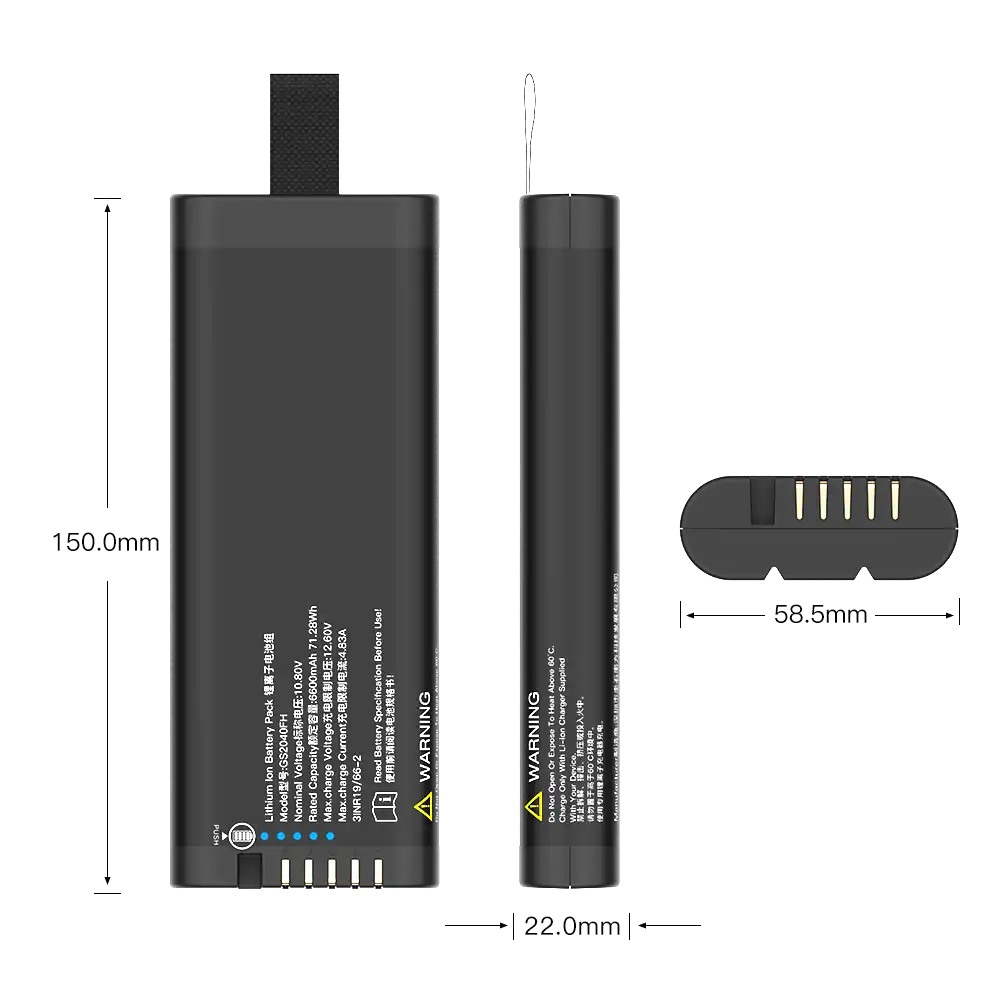
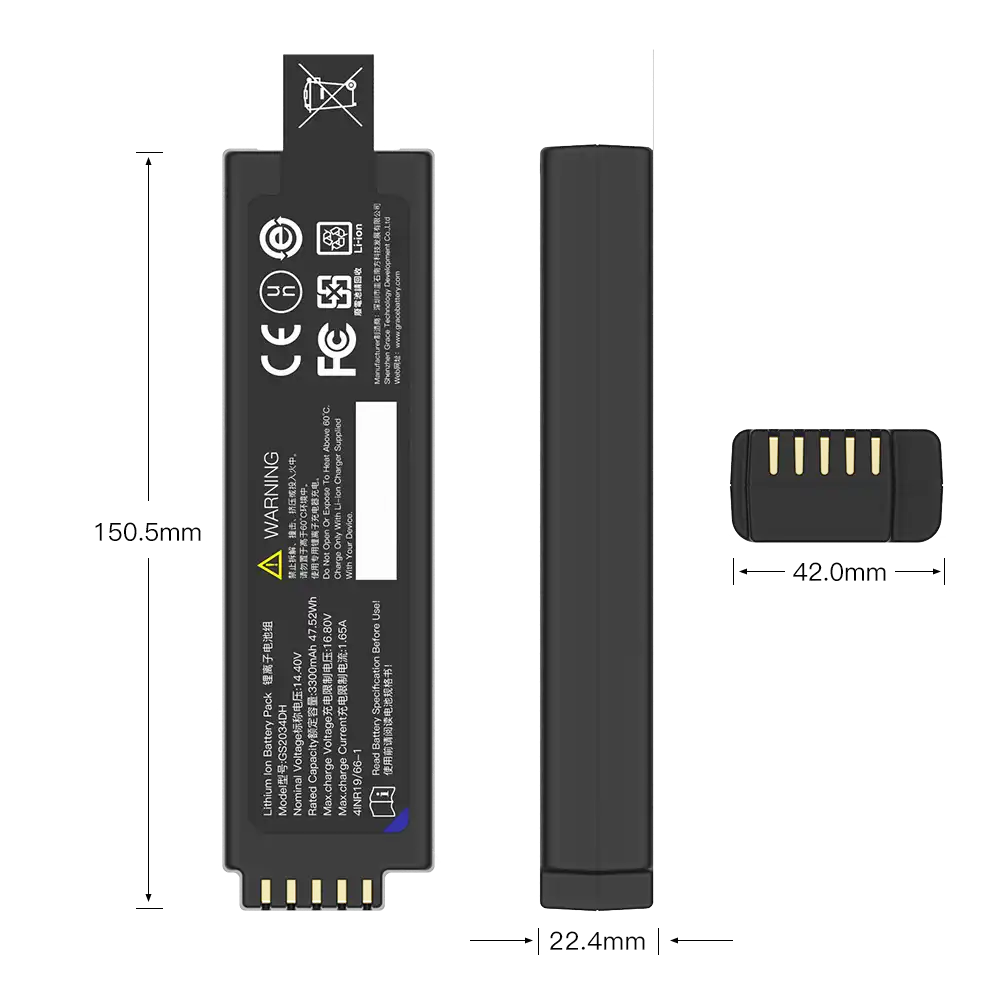
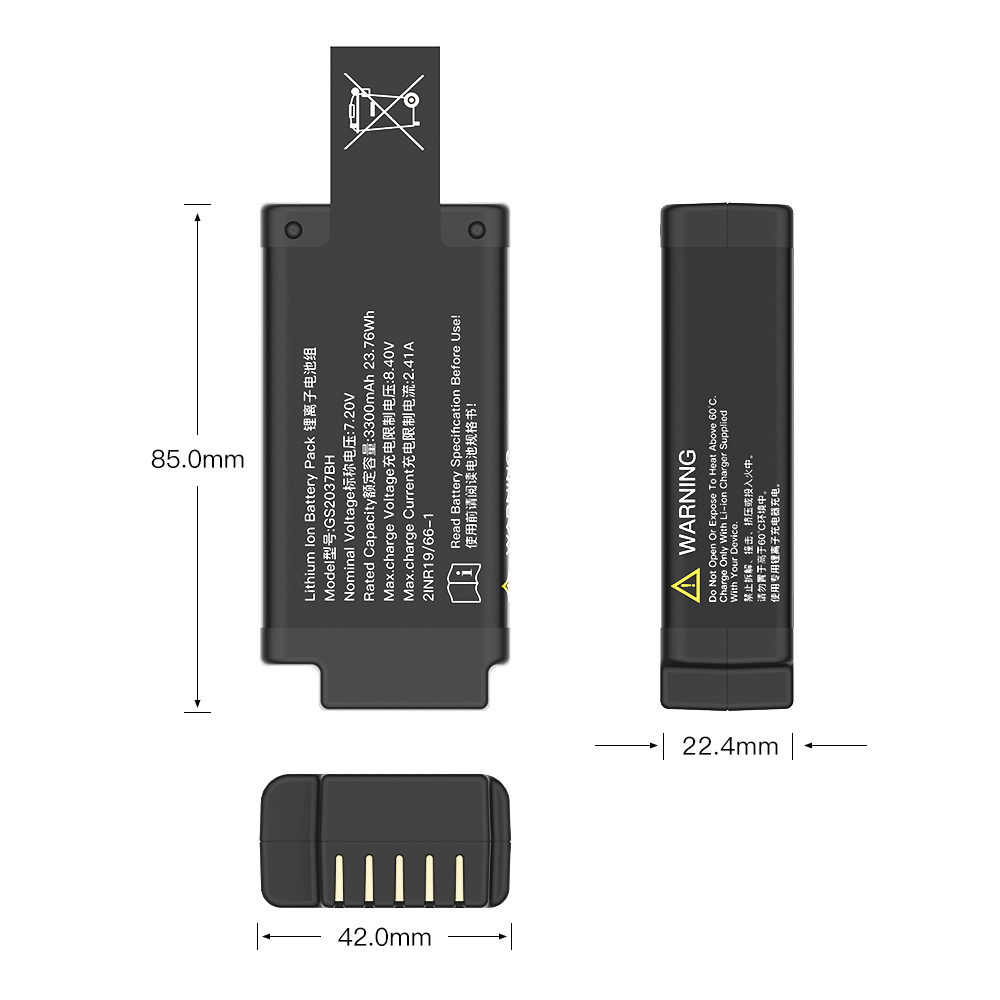
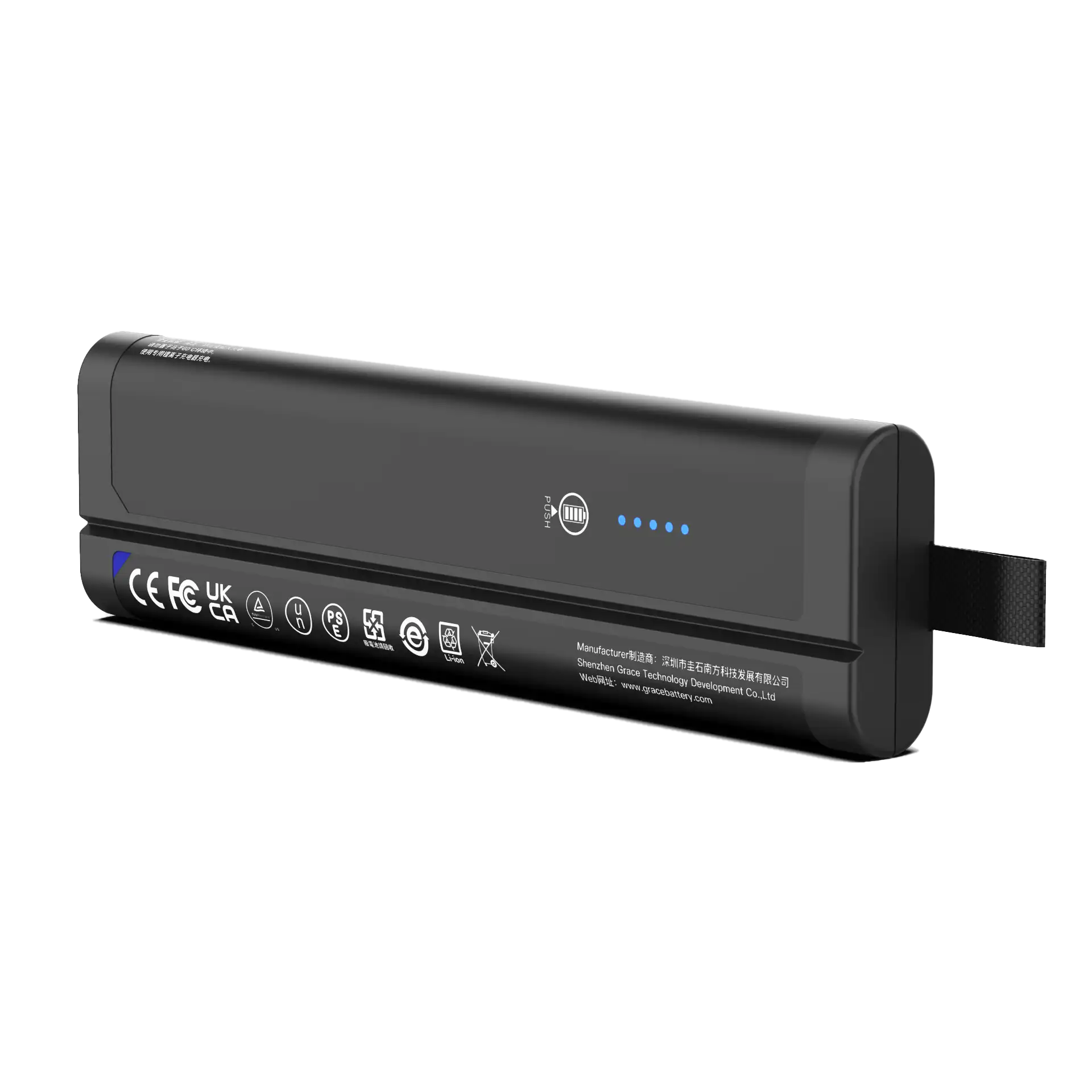
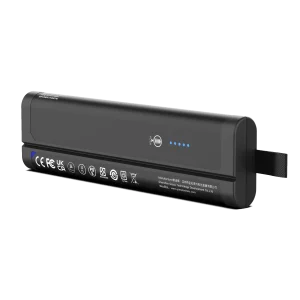
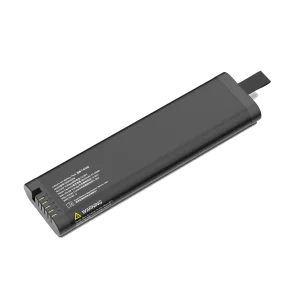
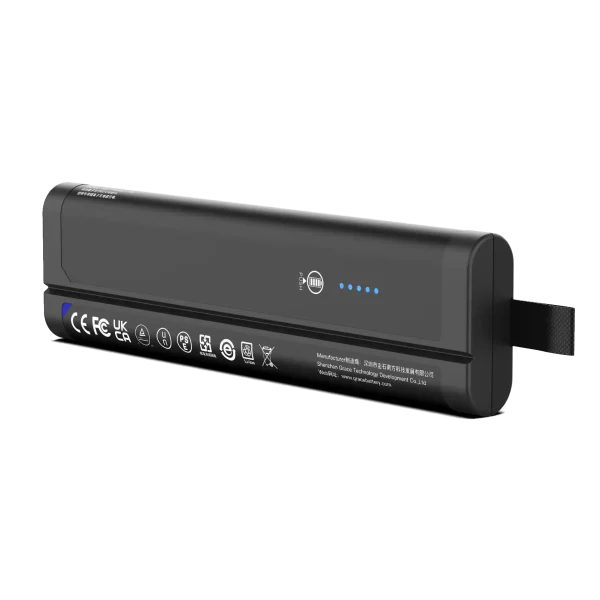
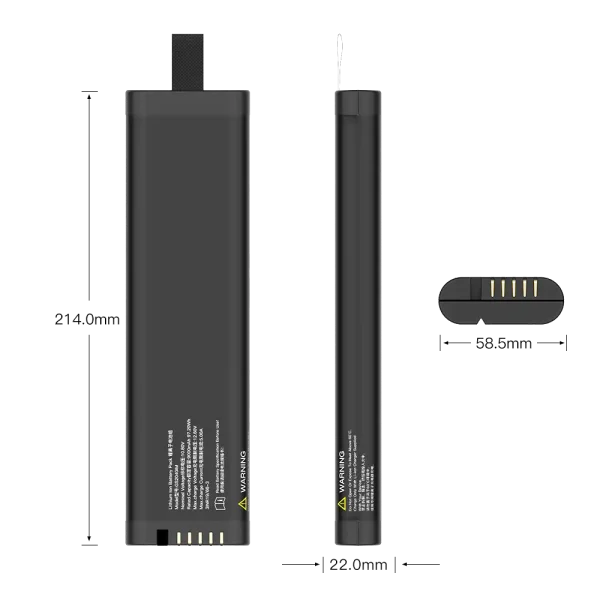
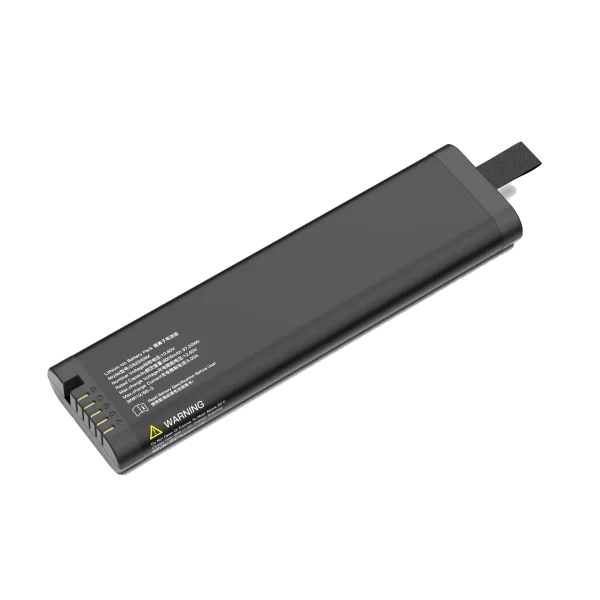
A 10.8V 3S3P SMBus battery pack combines three lithium-ion cells in series and three parallel strings. It can suit a portable medical device when the pack voltage range, usable energy, peak current, communications, mechanical envelope, and risk controls are designed around the device. The label alone does not define capacity, runtime, charger compatibility, or regulatory compliance.
For an OEM evaluating a custom battery pack for portable medical devices, the most useful starting point is the system load profile and charging architecture. From there, the battery team can select cells, define the protection and SMBus behavior, and validate the complete device under intended and fault conditions.
What 10.8V 3S3P means
In a typical lithium-ion design using cells with a nominal voltage near 3.6V, three cells in series produce a nominal pack voltage near 10.8V. The actual voltage changes with state of charge, load, temperature, and the cell maker’s charge and discharge limits. The device must therefore tolerate the full specified operating range, not just the nominal value.
The 3P portion means three parallel cells at each series position, for nine cells total in a conventional 3S3P arrangement. Parallel capacity is approximately three times the capacity of one cell when cells are identical and operated within their limits. Series connection raises voltage; it does not add amp-hour capacity. The pack’s watt-hour rating depends on the selected cell capacity and nominal voltage, while usable energy is lower and depends on cutoffs, temperature, aging, and load.
These relationships are design estimates, not a substitute for the cell datasheet. For example, a 3S pack’s permitted charge voltage must be set from the specific cell chemistry and limits. A charger designed for a different series count or charge profile is not interchangeable simply because both products are described as lithium-ion.
Why SMBus matters in a medical device
A smart battery can communicate information such as voltage, current, temperature, remaining capacity, and status over an SMBus-compatible interface. Depending on the selected fuel gauge and firmware, the host may also read alarms, cycle information, or manufacturer data. This can help the device make more informed low-battery decisions, estimate operating time, and distinguish a normal pack from a fault state.
SMBus is a communications interface, not a safety certification and not a guarantee of accurate state-of-charge reporting. The pack and host must agree on the supported command set, address, timing, pull-up voltage, connector pinout, authentication or identification needs, and behavior when the bus is unavailable. The product should define how it responds to stale, implausible, or missing readings. Safety-critical power limits must remain enforced by the battery’s independent protection hardware rather than relying only on host software.
A production specification should state which Smart Battery Data commands are implemented, how firmware revisions are identified, how alarms are asserted, and what values are returned after reset or a communication fault. Host-side testing should cover bus startup, repeated reads, interrupted transactions, pack insertion and removal, and recovery after a fault.
Designing the custom pack around the device
Begin with measured current over representative use, including startup surges, radio or motor activity, display brightness, standby, and charging while operating. Convert the use profile into energy and peak-current requirements, then set an explicit runtime target with margin for low temperature, cell aging, production variation, and the device’s low-voltage cutoff. Avoid sizing from average current alone when brief peaks can trip protection or cause a device reset.
Cell selection must balance energy density with discharge capability, cycle life, temperature range, availability, and qualification evidence. Cells connected in parallel need controlled sourcing and matching, and pack construction must provide consistent interconnect resistance and temperature sensing. The protection design should address overcharge, over-discharge, overcurrent, short circuit, and temperature limits using thresholds coordinated with the cell specification and the device’s power path.
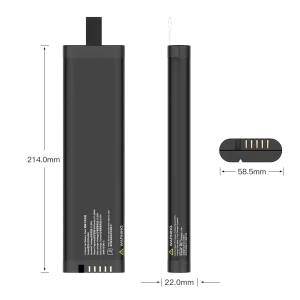
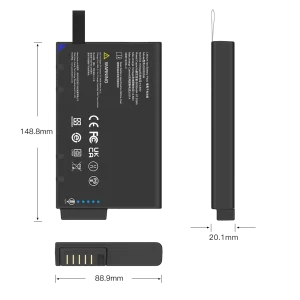
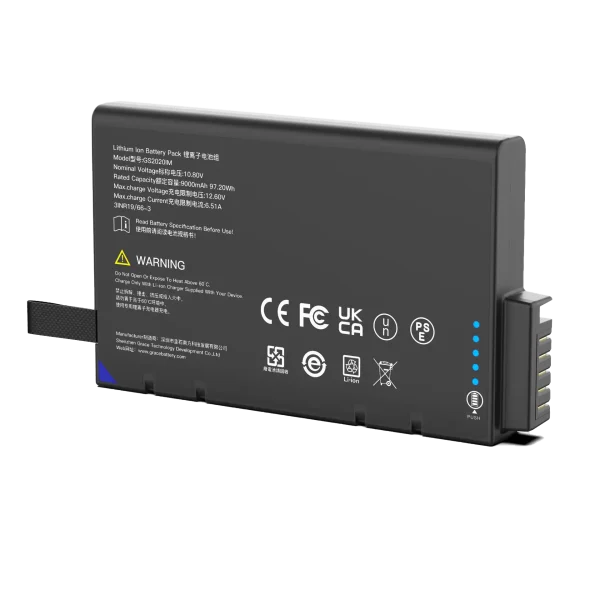
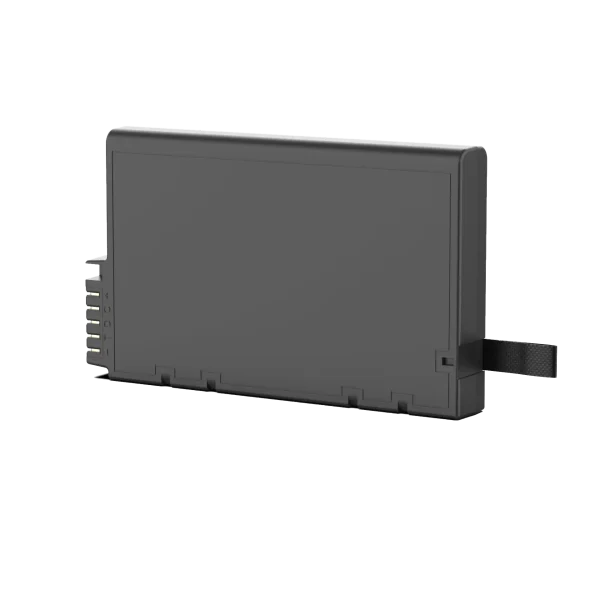
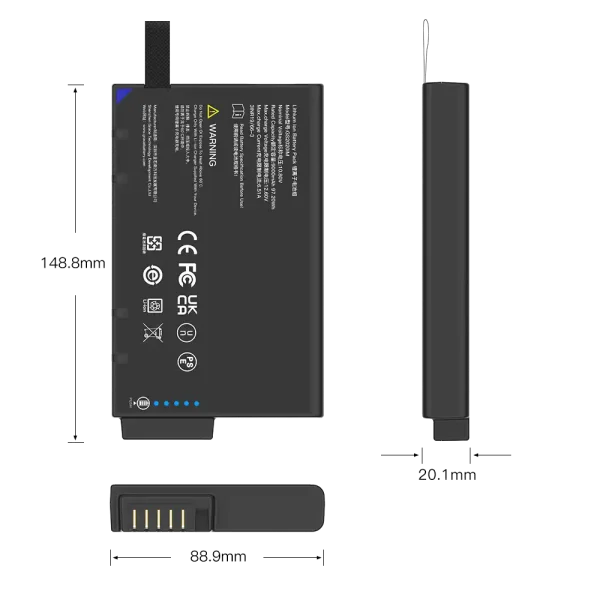
Mechanical integration is equally important. The enclosure, cell restraint, connector retention, insulation, wire routing, strain relief, and thermal path all influence reliability. For a portable clinical instrument, the battery should not obstruct cleaning, compromise ingress protection, interfere with alarms, or create an awkward service workflow. A replaceable pack may require clear keying and contact sequencing; a sealed pack may shift more responsibility to service life and end-of-life planning.
Safety and regulatory evidence
Battery compliance must be planned for the target market and product configuration. IEC 62133-2 is a commonly referenced safety standard for portable sealed secondary lithium cells and batteries. UN Manual of Tests and Criteria subsection 38.3 addresses transport testing for lithium batteries. These serve different purposes, and evidence for one does not replace the other.
IEC 60601-1 addresses basic safety and essential performance of medical electrical equipment at the equipment level. A compliant battery pack by itself does not establish conformity of the finished medical device. The manufacturer needs to assess the battery, charger, power path, enclosure, alarms, and foreseeable single-fault conditions within the device’s risk-management and conformity-assessment process. Requirements vary by device classification, jurisdiction, intended use, and certification route; confirm the applicable editions and national adoptions with the product’s compliance team or laboratory.
A supplier discussion should therefore cover traceable cell documentation, pack drawings and bill of materials, protection thresholds, firmware and SMBus definitions, test reports, transport documentation, change control, and production quality controls. Any certification or test claim should identify the exact model, configuration, standard edition, laboratory, and report scope.
Validation before release
A robust verification plan combines electrical, communication, mechanical, environmental, and system tests. Confirm capacity and runtime at specified loads and temperatures; verify charge termination, balancing approach where applicable, cutoff behavior, recovery, and protection response. Exercise SMBus commands and fault handling with the real host controller. Test connector wear, vibration or shock where required, temperature sensing, and charging in the device’s actual enclosure.
System tests should include normal operation and foreseeable faults, such as a stalled load, sensor failure, communication loss, incorrect charger, or interrupted connection. Measure whether the device maintains its essential performance and gives the intended low-battery or battery-fault indication. Repeat critical checks on production-representative samples, and define acceptance limits before testing so results can be evaluated consistently.
Questions to give a battery supplier
A clear request for quotation helps a battery manufacturer return a design that can be evaluated. Include the device’s minimum and maximum input voltage, typical and peak current, runtime target, charging method, temperature range, dimensions, connector and pinout, expected annual volume, target markets, service model, and required evidence. Ask the supplier to document cell model and configuration, rated and usable capacity conditions, protection strategy, SMBus command support, firmware change control, sample test plan, and production traceability.
A well-engineered 10.8V 3S3P SMBus battery pack is not defined by its nominal voltage alone. Its value comes from matching the electrical design to the device, making battery status interpretable to the host, and validating the pack as part of the finished medical system.
References
– IEC 62133-2:2017, including Amendment 1:2021, Safety requirements for portable sealed secondary lithium cells and batteries. https://webstore.iec.ch/en/publication/32662
– IEC 60601-1, Medical electrical equipment – General requirements for basic safety and essential performance. https://webstore.iec.ch/en/publication/2606
– United Nations, Manual of Tests and Criteria, subsection 38.3. https://unece.org/transport/dangerous-goods/rev8-files
– System Management Interface Forum, SMBus specifications. https://www.smbus.org/specs/
Engineering note: Specific cell limits, pack ratings, applicable standards, and market requirements must be confirmed for the selected design and target product.